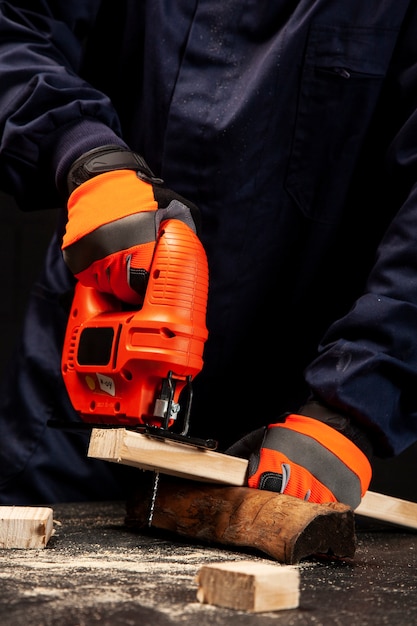
In the realm of carpentry, using power tools safely is paramount to ensuring not only the quality of work but also the well-being of the individual performing the tasks. As a seasoned professional with over a decade of experience in woodworking and carpentry, I understand the critical importance of adhering to safety protocols. One of the first lines of defence in this regard is the use of personal protective equipment (PPE). This includes safety goggles, ear protection, gloves, and dust masks. Each piece of equipment serves a specific purpose, protecting against flying debris, excessive noise, and harmful dust particles that can arise during woodworking activities. By prioritising PPE, I ensure that I am safeguarded against potential hazards while working on various projects.
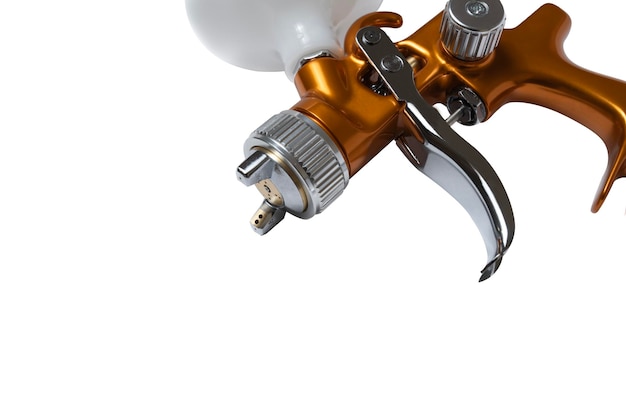
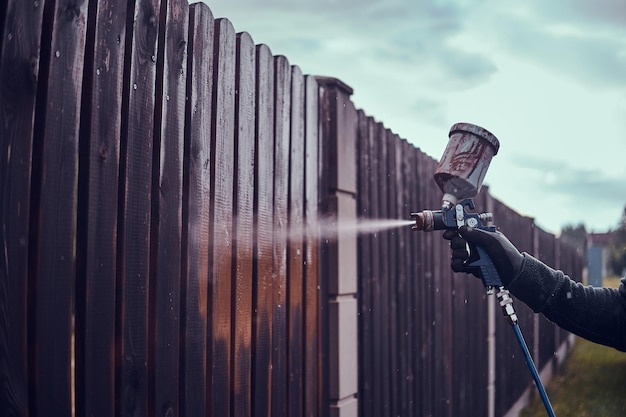
Understanding the different types of power tools and their specific safety features is another essential aspect of safe carpentry practices. Tools such as my Graco airless spray gun for painting and my Festool dust extraction sander are equipped with features designed to enhance user safety. For instance, the Graco spray gun has a trigger lock to prevent accidental discharge, while the Festool sander includes a dust collection system that minimises airborne particles. Familiarity with these features allows me to operate these tools effectively while mitigating risks associated with their use.
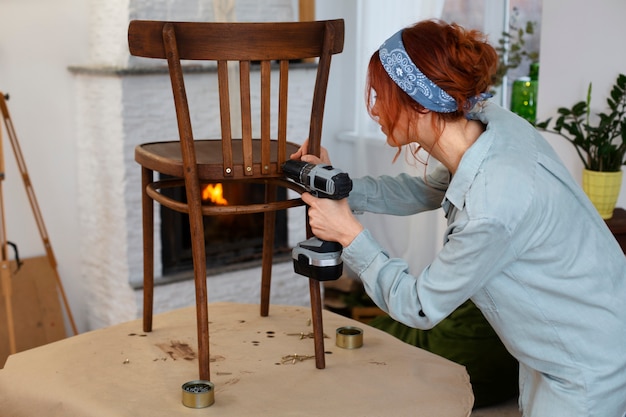
Proper training and certification for using power tools cannot be overstated. My accreditation at NVQ Level 2 reflects my commitment to understanding complex work-based duties and safety protocols. This training has equipped me with the knowledge necessary to handle tools like Bosch drills and DeWalt saws safely and efficiently. Regularly updating my skills through workshops and courses ensures that I remain informed about the latest safety practices and technological advancements in the field.
Regular maintenance and inspection of power tools are crucial for ensuring safety during operations. I make it a point to inspect my tools, such as my Hilti impact driver, before each use. This includes checking for any signs of wear or damage, ensuring that all safety features are functional, and cleaning the tools to prevent dust accumulation. By maintaining my equipment in optimal condition, I reduce the likelihood of malfunctions that could lead to accidents.
Safe handling and storage practices for power tools are equally important. After completing a project, I ensure that all tools are stored securely in my workshop, away from moisture and potential hazards. This not only prolongs the life of the tools but also prevents unauthorized access, particularly from children or pets. Additionally, I always follow the manufacturer’s guidelines for storage to maintain the integrity of each tool.
The significance of a clean and organized workspace cannot be overlooked when it comes to preventing accidents. I take pride in maintaining an orderly environment where all tools are easily accessible and clutter is minimized. This practice not only enhances efficiency but also reduces the risk of tripping or misplacing tools during a project. A tidy workspace fosters a safer working atmosphere, allowing me to focus on delivering high-quality results.
Techniques for minimizing noise exposure when using power tools are essential for long-term health. Prolonged exposure to loud machinery can lead to hearing loss, so I employ ear protection whenever I operate tools like my JCB circular saw. Additionally, I schedule noisy tasks during times when fewer disturbances occur, allowing me to manage noise levels effectively while still completing projects on time.
Using the right tool for the job is vital to avoid injuries. Each project requires specific tools tailored to its demands. For instance, using a Rothenberger pipe cutter for plumbing tasks ensures precision and safety compared to attempting to use a general-purpose tool. By selecting appropriate equipment for each task, I minimize the risk of accidents and enhance the quality of my work.
Understanding electrical safety when using powered tools is another critical aspect of carpentry. Many power tools require electricity to operate, which introduces potential hazards if not handled correctly. I always ensure that my workspace is equipped with proper electrical outlets and that all cords are in good condition without frays or damage. Furthermore, I avoid overloading circuits and use ground fault circuit interrupters (GFCIs) when working in damp areas.
The role of risk assessments in carpentry projects cannot be underestimated. Before commencing any job, I conduct a thorough risk assessment to identify potential hazards associated with the tasks at hand. This proactive approach allows me to implement necessary precautions and prepare for any unforeseen circumstances that may arise during the project.
Emergency procedures and first aid knowledge for tool-related injuries are essential components of a safe working environment. I am trained in basic first aid and keep a well-stocked first aid kit readily available in my workshop. In case of an accident, knowing how to respond quickly can make a significant difference in outcomes.
The benefits of using dust extraction systems to improve air quality are evident in my work. My Festool dust extraction system not only keeps my workspace clean but also protects my respiratory health by capturing harmful particles generated during sanding or cutting processes. This investment in air quality contributes to long-term health benefits while enhancing overall productivity.
Training on the safe use of specific tools like saws, drills, and sanders is an ongoing commitment in my career. Each tool presents unique challenges and risks; therefore, continuous education is vital. I regularly participate in training sessions that focus on advanced techniques and safety measures for operating these essential tools effectively.
The impact of fatigue on safety is another consideration I take seriously. Working long hours without breaks can lead to decreased concentration and increased risk of accidents. To manage my work hours effectively, I schedule regular breaks and ensure that I am well-rested before tackling demanding projects.
Encouraging a culture of safety within the woodworking community is something I actively promote. By sharing knowledge and experiences with fellow carpenters, we can collectively raise awareness about best practices and foster an environment where safety is prioritized above all else. This collaborative approach not only enhances individual practices but also contributes to a safer industry overall.
If you’re looking for professional woodworking services that prioritize health and safety, feel free to reach out via WhatsApp at 07728868401. Together, we can ensure your carpentry projects are completed safely and efficiently.