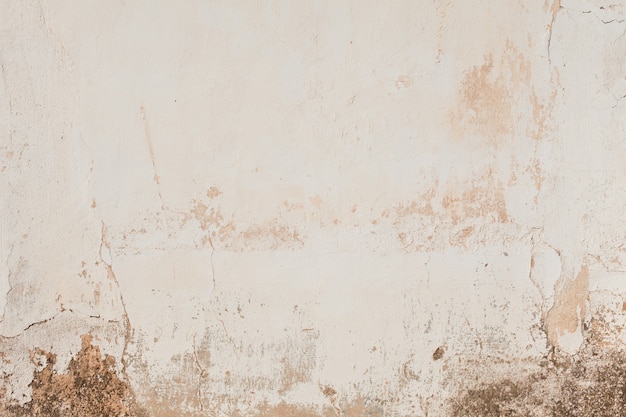
Achieving a smooth finish on textured walls can be a challenging yet rewarding task. Textured wall surfaces, while visually appealing, present unique challenges that require a thorough understanding of their characteristics. Textured walls can include various finishes such as knockdown, stucco, or popcorn, each with its own set of intricacies. These surfaces often trap paint unevenly, leading to an inconsistent finish if not approached correctly. Understanding these challenges is the first step towards achieving a flawless look.
One of the most critical aspects of painting textured walls is surface preparation. Proper preparation is essential for ensuring that the paint adheres well and provides a smooth finish. This involves cleaning the surface to remove dust and debris, repairing any imperfections, and applying a suitable primer. A well-prepared surface not only enhances the paint’s adhesion but also contributes to the longevity of the finish. As a professional with over 10 years of experience in interior decoration, I always emphasise the importance of this step in my projects.
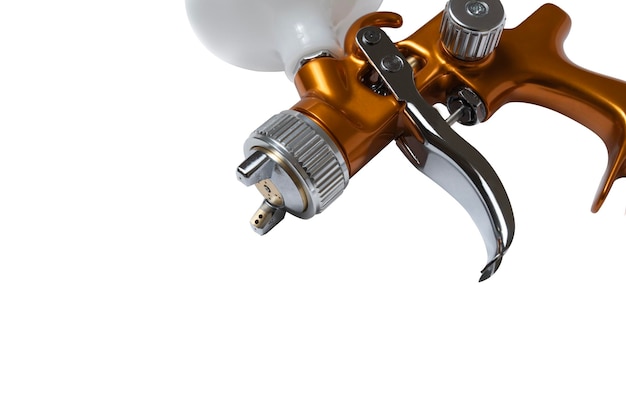
Choosing the right tools and equipment is equally vital when working on textured walls. For instance, I utilise a Graco airless spray gun for its efficiency and ability to cover uneven surfaces evenly. This tool allows me to apply paint quickly and uniformly, which is particularly beneficial for textured finishes. Additionally, I employ a Festool dust extraction sander to ensure that the surface is smooth and free from dust before painting. The right tools can make a significant difference in the quality of the final result.
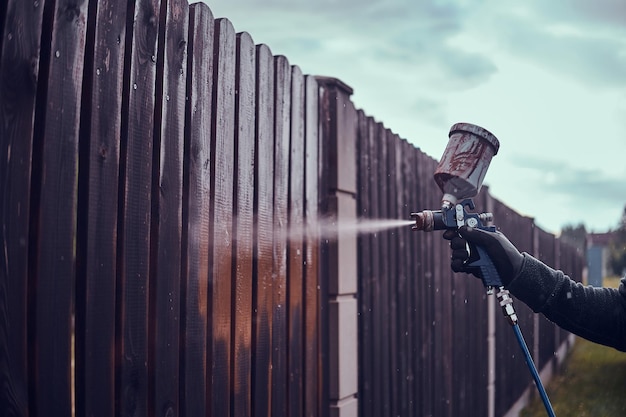
The benefits of using professional airless spray technology cannot be overstated. This method allows for a more even application of paint, especially on textured surfaces where traditional brushes or rollers may struggle. The airless spray technique atomises the paint into fine droplets, ensuring that every nook and cranny of the texture is covered without leaving behind streaks or brush marks. This technology not only saves time but also enhances the overall finish quality.
Selecting the appropriate paint type for textured surfaces is another crucial factor in achieving a smooth finish. It is essential to choose paints that are specifically formulated for textured walls, as they tend to have better adhesion properties and are designed to fill in the gaps created by the texture. I always recommend high-quality paints that are durable and easy to clean, ensuring that the finish remains pristine over time.
When it comes to applying primer on textured walls, there are specific techniques that can enhance the outcome. Using an airless spray system allows for an even application of primer, which is essential for creating a uniform base for the topcoat. I typically start by spraying the primer in a consistent pattern, ensuring that all areas are adequately covered before moving on to the final coat. This method not only saves time but also ensures that the primer penetrates into the texture effectively.
To achieve a smooth finish with airless spray, I follow a step-by-step guide that includes thorough preparation, priming, and careful application of the topcoat. First, I prepare the area by covering furniture and flooring to protect them from overspray. Next, I apply primer using my Graco airless spray gun, followed by two coats of high-quality paint, allowing adequate drying time between each layer. This systematic approach ensures that every aspect of the job is executed flawlessly.
However, there are common mistakes to avoid when painting textured walls. One frequent error is rushing through the preparation phase, which can lead to poor adhesion and an uneven finish. Another mistake is using low-quality materials that do not adhere well to textured surfaces. As a professional handyman, I always stress the importance of taking time during preparation and selecting certified materials to ensure a successful outcome.
The role of health and safety in painting projects cannot be overlooked. It is imperative to work in a safe environment, especially when using equipment like airless spray guns. I always wear appropriate personal protective equipment (PPE), including masks and goggles, to protect myself from fumes and overspray. Additionally, I ensure that my workspace is well-ventilated to minimise exposure to harmful chemicals.
Using certified materials and equipment is crucial for both safety and quality assurance. All products I use are verified and certified by UK authorities, ensuring they meet safety standards. This commitment to quality not only protects my health but also guarantees that my clients receive a safe and durable finish.
Protecting surrounding areas during the painting process is another essential consideration. I take great care to cover floors, furniture, and fixtures with drop cloths and plastic sheeting to prevent any accidental damage from paint splatters or overspray. This attention to detail helps maintain a clean workspace and ensures that my clients’ homes remain undisturbed during the project.
Maintaining a clean workspace while working on textured walls is vital for both safety and efficiency. I regularly clean up any spills or debris as I work, using professional-grade tools from brands like Bosch and DeWalt to keep my area tidy. A clean workspace not only enhances productivity but also reduces the risk of accidents.
The significance of proper ventilation during painting cannot be overstated. Adequate airflow helps dissipate fumes and ensures a healthier environment for both myself and my clients. I always make sure windows are open or use fans to promote airflow while working on any painting project.
After completing the painting process, post-painting care and maintenance for textured walls are essential for preserving the finish. I advise clients on how to clean their newly painted walls without damaging the texture or paint. Regular maintenance checks can help identify any issues early on, ensuring that the walls remain in excellent condition for years to come.
Finally, hiring a professional ensures quality and safety in painting projects. With over a decade of experience in interior decoration and accredited NVQ Level 2 qualifications, I bring expertise and professionalism to every job. My commitment to health and safety standards means that clients can trust me to deliver exceptional results while prioritising their well-being.
If you’re considering a painting project for your textured walls or need assistance with any home improvement tasks, feel free to reach out via WhatsApp at 07728868401. I’m here to help you achieve the perfect finish!