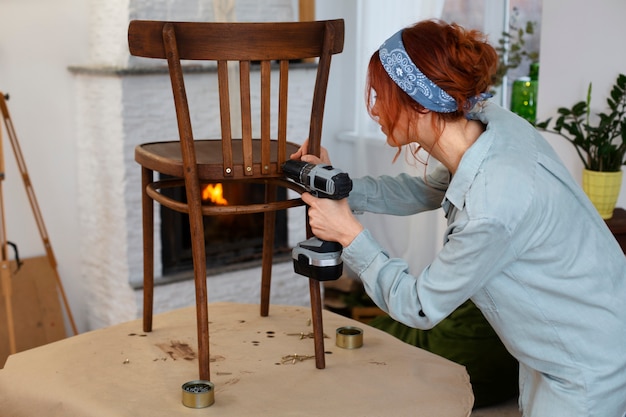
Repairing scratched or chipped furniture can seem daunting, but with the right knowledge and tools, it can be a rewarding DIY project. Understanding the types of scratches and chips on furniture is the first step in the repair process. Scratches can vary from superficial surface marks to deeper gouges that penetrate the finish, while chips often involve missing pieces of wood or veneer. Identifying the type of damage will help determine the best approach for repair.
Before diving into repairs, it’s crucial to assess the extent of the damage. Take a close look at the affected area and consider whether the scratch or chip is merely cosmetic or if it compromises the structural integrity of the piece. For minor scratches, a simple sanding and refinishing may suffice, but for larger chips, you may need to consider more extensive repairs. This assessment will guide your choice of tools and materials.
Choosing the right tools and materials is essential for a successful repair. For sanding down scratched surfaces, I use a Festool dust extraction sander, which not only smooths out imperfections but also keeps the workspace clean by minimising dust. When filling in chips and dents, high-quality wood fillers or epoxy are recommended. Ensure that these materials are compatible with the type of wood you are working on to achieve a seamless finish.
Health and safety measures should always be a priority when working on furniture repairs. Wearing protective gear such as gloves, goggles, and a dust mask is essential to safeguard against harmful particles and chemicals. Additionally, ensure that your workspace is well-ventilated, especially when using paints or solvents. As a professional handyman with over 10 years of experience, I adhere strictly to health and safety regulations to protect both myself and my clients.
To begin the repair process, start with sanding down scratched surfaces. Use the Festool sander to gently sand the area around the scratch, feathering out the edges to create a smooth transition. Start with a coarser grit sandpaper and gradually move to finer grits for a polished finish. Always sand in the direction of the wood grain to avoid further damage.
For filling in chips and dents effectively, apply your chosen wood filler with a putty knife, ensuring it fills the entire void. Once dry, sand it down until it is flush with the surrounding surface. If necessary, repeat this process until you achieve a level surface. This technique not only restores the appearance of your furniture but also reinforces its structure.
Matching paint or stain for seamless repairs is another critical step. Take a sample of the existing finish to your local hardware store to find an exact match. If you’re unsure about colour matching, consider using a small test area before applying it to the entire piece. My experience with various finishes allows me to provide clients with expert advice on achieving the best results.
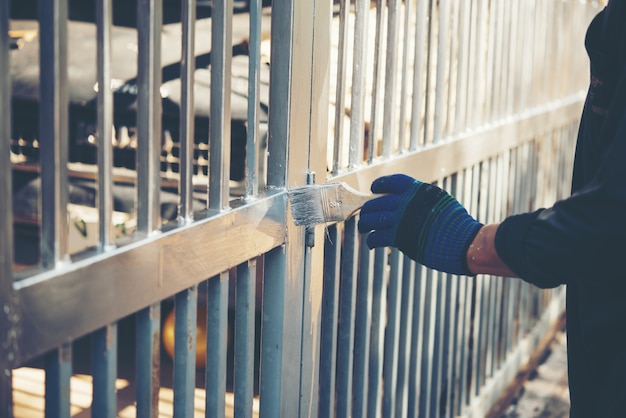
The role of protective coatings in furniture restoration cannot be overstated. After completing your repairs, applying a protective finish such as polyurethane or varnish will help seal and protect the wood from future damage. This step not only enhances the appearance but also prolongs the life of your furniture.
Maintaining a clean and safe workspace during repairs is vital for both efficiency and safety. Keep your tools organised and ensure that any debris is cleared away promptly. This practice not only helps prevent accidents but also allows for a more enjoyable working environment.
While many repairs can be tackled independently, there are times when professional help is warranted. If you encounter extensive damage or feel overwhelmed by the repair process, don’t hesitate to reach out for assistance. As an accredited NVQ Level 2 handyman, I am equipped to handle complex repairs with precision and care.
Preventative measures can significantly reduce the likelihood of future scratches and chips. Consider using coasters under drinks, placing felt pads under decorative items, and avoiding direct sunlight exposure to minimise wear and tear on your furniture.
The benefits of using eco-friendly materials in furniture repair are becoming increasingly recognised. Not only do these materials reduce environmental impact, but they also contribute to healthier indoor air quality. As someone who values sustainability, I often recommend eco-friendly options to my clients.
Caring for repaired furniture is essential to prolong its life. Regular dusting and cleaning with appropriate products will help maintain its appearance. Additionally, reapplying protective coatings every few years can keep your furniture looking new.
Case studies of successful furniture repairs showcase craftsmanship and attention to detail. For instance, I recently restored a vintage dining table that had significant scratches and chips. By employing modern tools like my Graco airless spray system for finishing touches, I was able to achieve a flawless result that delighted my client.
I encourage DIY enthusiasts to follow safety protocols while undertaking repairs. Always prioritise your health and safety by using appropriate protective gear and ensuring your workspace is safe. If you have any questions or need assistance with your furniture repairs, feel free to reach out via WhatsApp at 07728868401.
In conclusion, repairing scratched or chipped furniture is an achievable task with the right knowledge and tools. By understanding the types of damage, assessing repairs accurately, choosing suitable materials, and adhering to health and safety measures, you can restore your furniture to its former glory. Whether you choose to tackle these repairs yourself or seek professional help, remember that taking care of your furniture will enhance its longevity and beauty.