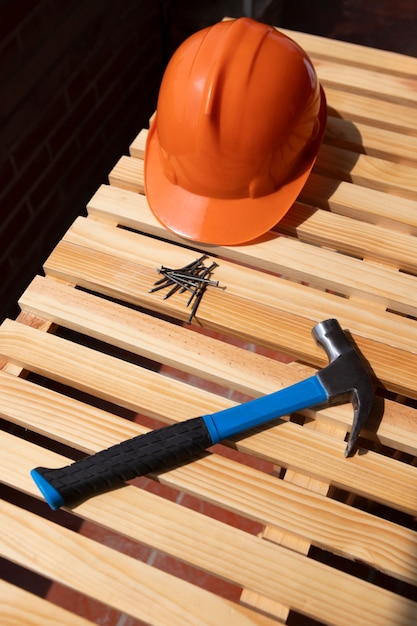
Health and safety regulations play a crucial role in handyman services, ensuring that both the professional and the client are protected from potential hazards. As a handyman with over 10 years of experience in interior design and maintenance, I understand the importance of adhering to these regulations. They not only safeguard the well-being of everyone involved but also enhance the quality of work delivered. By following health and safety guidelines, I can provide my clients with peace of mind, knowing that their homes are in safe hands.
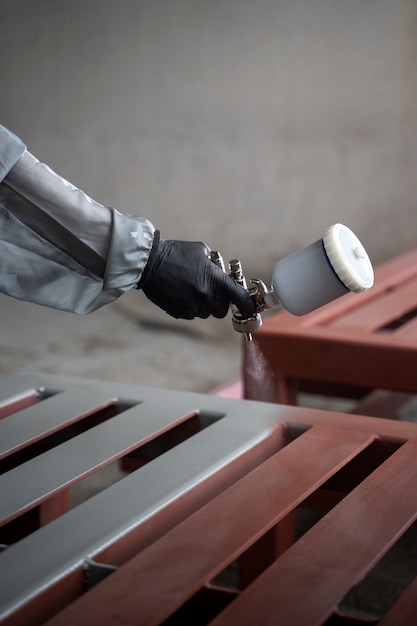
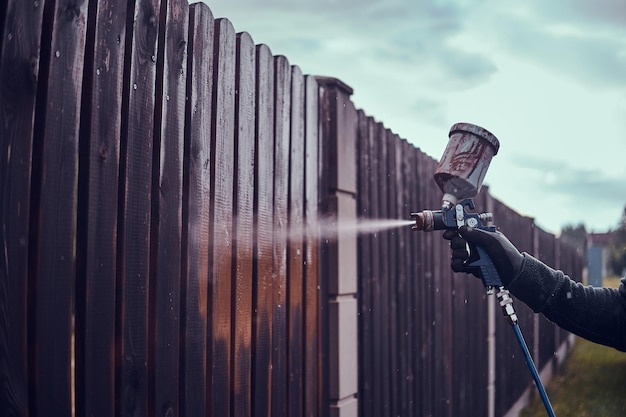
Common hazards in handyman work environments can vary widely, from slips and falls to electrical shocks. Working at heights, handling heavy materials, and using power tools all present risks that must be managed effectively. For instance, when using my Graco airless spray for painting, it is essential to ensure that the area is well-ventilated to avoid inhaling harmful fumes. Additionally, I always assess the workspace for any potential trip hazards before commencing any job.
Personal protective equipment (PPE) is essential for handyman tasks. I always wear appropriate gear, including hard hats, safety goggles, gloves, and steel-toed boots. This equipment not only protects me from injuries but also sets a standard for safety that clients can appreciate. When working with my Festool dust extraction sander, for example, I ensure that I wear a mask to prevent inhalation of dust particles, which can be harmful over time.
The safe handling and storage of tools and materials are vital components of health and safety in handyman services. I make it a priority to keep my tools organized and stored securely when not in use. This practice reduces the risk of accidents and ensures that I can quickly access the necessary equipment for each job. My collection includes top brands like Bosch, DeWalt, and Hilti, which are known for their reliability and safety features.
Before starting any job, I conduct thorough risk assessment procedures. This involves evaluating the specific tasks to be performed, identifying potential hazards, and implementing measures to mitigate those risks. For instance, if I am installing a new radiator, I will check for any existing electrical wiring or plumbing that could pose a danger during the installation process.
The importance of proper training and certifications for handyman professionals cannot be overstated. I hold an NVQ Level 2 accreditation, which demonstrates my ability to carry out complex work-based duties safely and effectively. This certification not only enhances my skills but also reassures clients that they are hiring a qualified professional who prioritises health and safety.
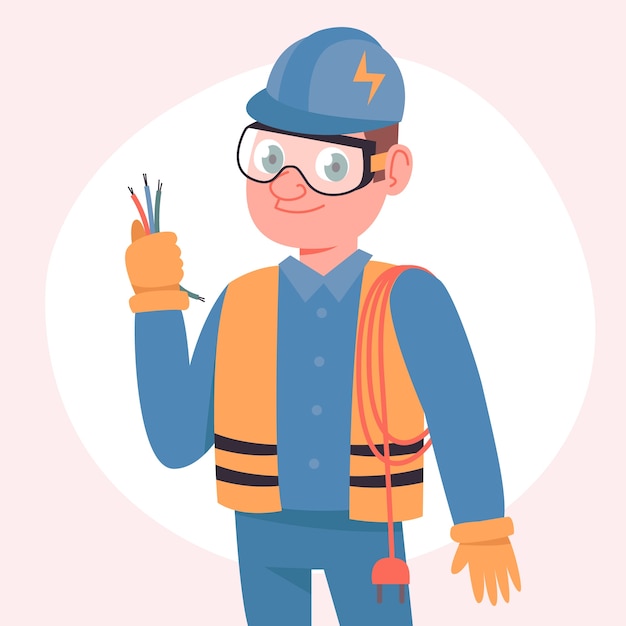
Safe electrical practices are paramount when performing installations and repairs. I always ensure that the power supply is turned off before beginning any electrical work. Additionally, I use insulated tools to prevent electrical shocks and follow all relevant regulations to ensure compliance with UK standards. This attention to detail helps to protect both myself and my clients from potential hazards.
Guidelines for safe lifting and manual handling techniques are essential in preventing injuries during handyman tasks. I always assess the weight of items before lifting them and use proper techniques, such as bending at the knees and keeping the load close to my body. This approach not only protects my back but also ensures that I can complete tasks efficiently without risking injury.
Fire safety measures are critical in home improvement projects. I take precautions by ensuring that flammable materials are stored safely away from heat sources and that smoke detectors are functioning properly before starting any work. Additionally, I keep a fire extinguisher on hand in case of emergencies, providing an extra layer of safety for both myself and my clients.
Maintaining a clean and organized workspace is another key aspect of health and safety in handyman services. A tidy environment reduces the risk of accidents and allows me to work more efficiently. After completing a job, I always clean up any debris or materials left behind, ensuring that the client’s home is left in pristine condition.
Emergency procedures and first aid training are vital components of health and safety in handyman services. I am trained in first aid and have a basic first aid kit readily available on-site. In the event of an accident, having this knowledge and equipment can make a significant difference in ensuring prompt care is provided.
Environmental considerations and waste disposal are also important aspects of my work. I strive to minimise waste by using materials efficiently and recycling whenever possible. Proper disposal of hazardous materials is crucial to protect both the environment and public health.
Communication with clients about safety protocols is essential for building trust and ensuring a successful working relationship. I always discuss my health and safety practices with clients before starting a job, making sure they understand the measures I take to protect their home and well-being.
Regular maintenance checks are necessary to ensure safety compliance in all handyman services. I conduct periodic inspections of my tools and equipment to ensure they are in good working order. This proactive approach helps prevent accidents caused by faulty equipment and demonstrates my commitment to health and safety standards.
Building trust with clients through a commitment to health and safety standards is fundamental to my business philosophy. By prioritising safety in every aspect of my work, I aim to create lasting relationships with clients who feel confident in my abilities as a handyman. My dedication to health and safety not only enhances the quality of my services but also contributes to a positive reputation within the community.
If you’re looking for reliable handyman services that prioritise health and safety, don’t hesitate to reach out! You can message me on WhatsApp at 07728868401 for more information or to schedule a consultation.