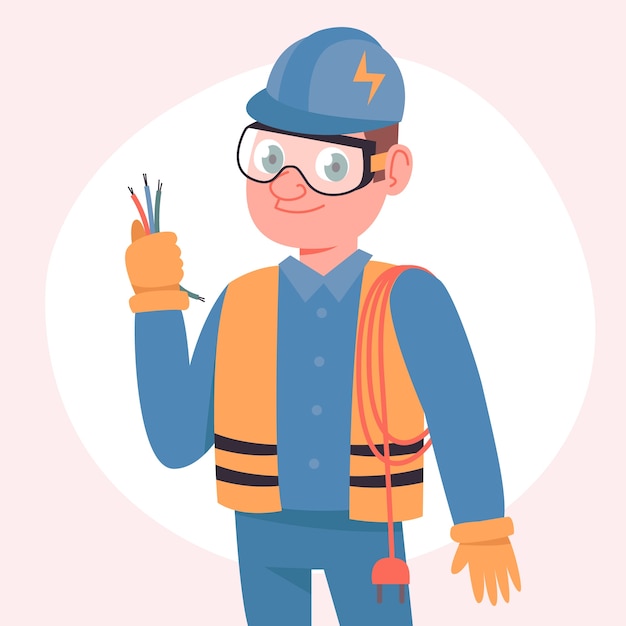
When it comes to handling basic electrical tasks, the importance of safety precautions cannot be overstated. Electrical work can be hazardous, and even minor mistakes can lead to serious injuries or property damage. Before embarking on any electrical project, it is crucial to equip yourself with the right knowledge and tools to ensure a safe working environment. As a professional handyman with over 10 years of experience in Telford – Shropshire, I prioritise health and safety in every job I undertake, using only certified materials and professional equipment.
Understanding basic electrical terminology and concepts is essential for anyone looking to perform electrical tasks safely. Familiarity with terms such as voltage, current, resistance, and circuit can help you grasp the fundamentals of how electrical systems operate. This knowledge not only aids in troubleshooting but also ensures that you can communicate effectively with professionals when needed.
Equipping yourself with the essential tools and equipment for basic electrical work is vital. As a handyman, I rely on high-quality tools from reputable brands like Bosch and DeWalt. For instance, a reliable multimeter is indispensable for measuring voltage, current, and resistance, while insulated screwdrivers are essential for safely working on live circuits. Additionally, having a good set of wire strippers and pliers will make tasks like replacing outlets or switches much easier.
Before starting any electrical task, it is crucial to safely turn off power. This can be done by locating the circuit breaker panel and switching off the appropriate breaker. Always double-check that the power is off by using a non-contact voltage tester. This step is non-negotiable; ensuring that you are not working on a live circuit significantly reduces the risk of electric shock.
Identifying common electrical problems in homes can save time and prevent further issues. Some frequent problems include flickering lights, tripped circuit breakers, and non-functioning outlets. By being aware of these issues, you can address them promptly or know when to seek professional help.
Changing light fixtures is a common task that many homeowners may attempt. Here’s a step-by-step guide to changing light fixtures safely: First, ensure the power is off at the circuit breaker. Next, remove the old fixture by unscrewing it from the ceiling and disconnecting the wires. Connect the new fixture by matching the wires (black to black, white to white, and green or bare to ground). Finally, secure the fixture in place and restore power to test it. Always remember to use insulated tools during this process.
When it comes to replacing electrical outlets and switches, following best practices is essential. Start by turning off the power at the circuit breaker. Remove the old outlet or switch by unscrewing it from the wall and disconnecting the wires. Connect the new outlet or switch in the same configuration as the old one, ensuring that all connections are tight and secure. Once installed, restore power and test the functionality.
The importance of using the right gauge wire for different applications cannot be overlooked. Using wire that is too thin for the current load can lead to overheating and potential fire hazards. Always refer to local codes or consult with a professional if you are unsure about which gauge wire to use for your specific project.
A multimeter is an invaluable tool for troubleshooting electrical issues. Knowing how to properly use a multimeter can help you diagnose problems effectively. To use a multimeter, set it to the appropriate measurement (voltage, current, or resistance) and connect the probes to the circuit or component you wish to test. This will provide you with accurate readings that can guide your next steps.
Ensuring proper grounding in electrical systems is crucial for safety. Grounding helps protect against electrical shock and equipment damage. Regularly check that all outlets are grounded correctly and that grounding wires are intact. If you notice any issues, it’s best to consult a professional electrician.
There are times when it’s best to recognise when to call a professional electrician. If you encounter complex wiring issues, frequent tripped breakers, or if you feel uncomfortable performing a task, don’t hesitate to reach out for help. As a handyman with extensive experience in various electrical tasks, I can assist with many common issues while ensuring safety and compliance with regulations.
The role of circuit breakers and fuses in home safety is significant. These devices protect your home from overloads and short circuits by interrupting the flow of electricity when necessary. Regularly check your circuit breakers and fuses to ensure they are functioning correctly; replace any that show signs of wear or damage.
Installing ceiling fans and light fixtures safely requires attention to detail. Always follow manufacturer instructions closely and ensure that all connections are secure before restoring power. Using professional-grade tools like my Graco airless spray system for painting around fixtures ensures a clean finish without compromising safety.
Understanding the importance of following local electrical codes and regulations is essential for any electrical work. These codes are designed to ensure safety and compliance within your home. Familiarise yourself with local regulations or consult with professionals who are knowledgeable about them.
Regular maintenance tips can help prevent electrical hazards in your home. Schedule periodic checks of your electrical systems, replace worn-out outlets, and ensure that all appliances are in good working order. As a handyman offering property maintenance services, I can assist with these checks to ensure your home remains safe.
If you’re looking for assistance with basic electrical tasks or any other handyman services, don’t hesitate to reach out! You can contact me via WhatsApp at 07728868401 for prompt service tailored to your needs.