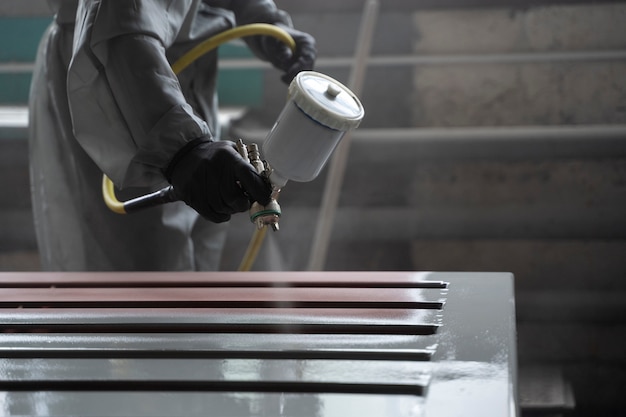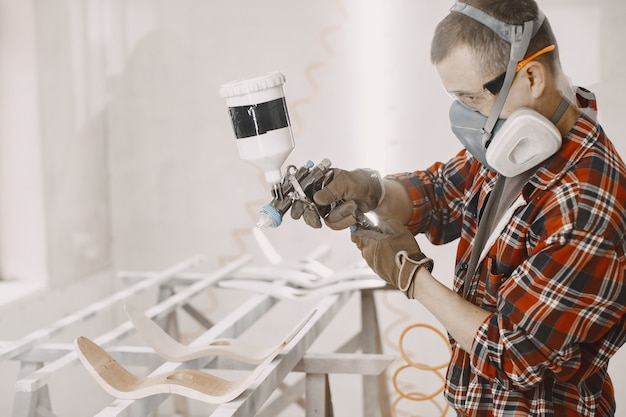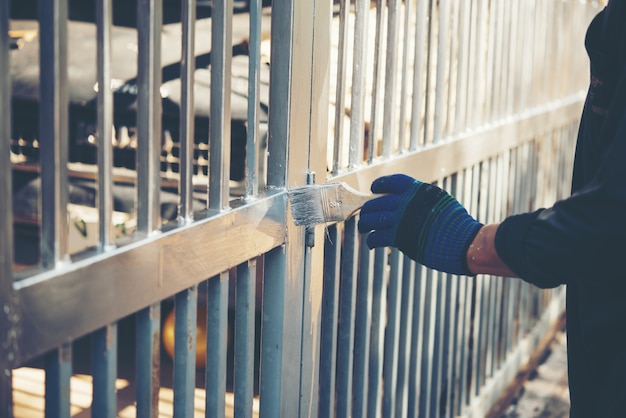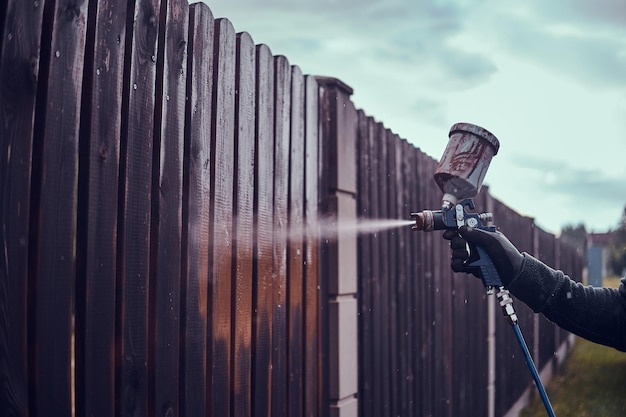
When it comes to spray painting indoor spaces, ensuring safety is paramount. The use of Personal Protective Equipment (PPE) is essential in safeguarding the health of both the painter and the occupants of the space. PPE includes items such as respirators, gloves, goggles, and coveralls. These items protect against inhalation of harmful fumes and contact with skin irritants. As a professional with over 10 years of experience in interior decoration, I always prioritise the use of high-quality PPE to mitigate risks associated with spray painting.
Another critical aspect of safety during indoor painting is proper ventilation. Adequate airflow helps to disperse harmful vapours and maintain air quality. Techniques such as opening windows, using exhaust fans, and employing air purifiers can significantly improve ventilation. In my projects, I ensure that the workspace is well-ventilated before commencing any spray painting work, utilising my knowledge of ventilation techniques to create a safe environment.
Safe handling and storage of spray paint materials are also vital components of a successful spray painting project. It is important to store paints in a cool, dry place away from direct sunlight and heat sources. Additionally, I always ensure that containers are tightly sealed when not in use to prevent spills and leaks. This practice not only protects the materials but also contributes to a safer working environment.
Understanding Material Safety Data Sheets (MSDS) for chemicals used in spray painting is crucial for any professional in the field. These documents provide detailed information about the hazards associated with specific chemicals, including handling instructions and first aid measures. I make it a point to review MSDS for all materials I use, ensuring that I am fully informed about potential risks and how to mitigate them.
Before starting any spray painting project, conducting a risk assessment is essential. This involves identifying potential hazards, evaluating their risks, and implementing control measures to minimise them. My experience has taught me the importance of thorough risk assessments, which help to ensure that all safety protocols are followed and that the project proceeds without incident.
The role of professional training cannot be overstated when it comes to ensuring safety during spray painting. I hold an NVQ Level 2 accreditation, which has equipped me with the knowledge and skills necessary to perform complex tasks safely. Continuous training and staying updated on industry best practices are integral to maintaining a high standard of safety in my work.
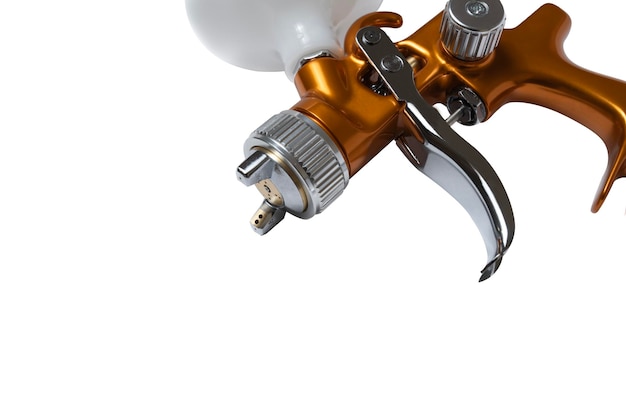
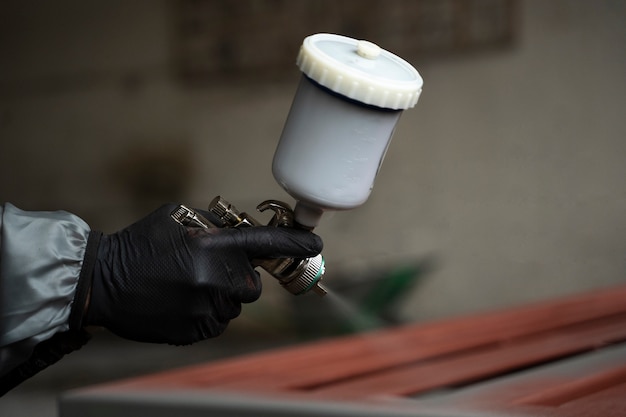
Using certified and compliant spray painting equipment is another key factor in ensuring safety. I utilise professional-grade tools such as the Graco airless spray system and Festool dust extraction sander, which are designed to meet stringent safety standards. These tools not only enhance the quality of my work but also contribute to a safer working environment by reducing the risk of accidents.
Minimising overspray is an important consideration in reducing environmental impact during spray painting. Techniques such as using drop cloths, masking tape, and proper spraying techniques help to contain overspray and protect surrounding areas. My expertise in using airless spray technology allows me to achieve precise application while minimising waste.
Safe disposal methods for leftover paint and hazardous materials are essential for maintaining environmental responsibility. I adhere to local regulations regarding the disposal of such materials, ensuring that they are disposed of properly and do not pose a risk to public health or the environment.
In the event of an accident or spill during spray painting, having established emergency procedures is crucial. I always prepare for potential incidents by having spill kits on hand and knowing the appropriate steps to take in case of an emergency. This preparedness ensures that any accidents can be managed swiftly and effectively.
The significance of maintaining a clean and organised workspace cannot be overlooked. A tidy environment reduces the risk of accidents and allows for greater efficiency during work. I make it a priority to keep my workspace clean, regularly clearing away debris and ensuring that tools are stored safely when not in use.
Regular maintenance and inspection of spray painting equipment are vital for safety. I routinely check my Graco airless spray system and other tools for wear and tear, ensuring they are in optimal working condition before each project. This proactive approach helps to prevent equipment failure and associated accidents.
Training staff on health and safety regulations related to indoor painting is another important aspect of my work. When collaborating with a team on larger projects, I ensure that everyone is aware of safety protocols and understands their responsibilities in maintaining a safe working environment.
The impact of humidity and temperature on safety during spray painting should not be underestimated. High humidity can affect paint adhesion, while extreme temperatures can alter drying times and increase the risk of fumes becoming concentrated. I always monitor environmental conditions before starting a project, making adjustments as necessary to ensure optimal safety.
Case studies showcasing successful implementation of safety measures in previous projects highlight the effectiveness of these practices. For instance, during a recent interior painting project, I implemented comprehensive ventilation strategies alongside strict PPE protocols, resulting in a safe environment for both myself and the client. The positive feedback received from clients reinforces the importance of prioritising health and safety in every aspect of my work.
In conclusion, prioritising health and safety during spray painting projects is essential for achieving high-quality results while protecting everyone involved. By adhering to best practices such as using PPE, ensuring proper ventilation, conducting risk assessments, and utilising certified equipment, I strive to create safe working environments for all my clients. If you’re looking for professional painting services that prioritise safety, feel free to reach out via WhatsApp at 07728868401.