Choosing the right paint finish for metal surfaces is crucial for achieving a durable and aesthetically pleasing result. Understanding the different types of paint finishes available for metal surfaces is the first step in this process. There are several options, including gloss, satin, and matte finishes. Each type has its unique characteristics and applications. Gloss finishes are highly reflective and provide a shiny appearance, making them ideal for surfaces that require a high level of durability and easy cleaning. Satin finishes offer a softer sheen, striking a balance between gloss and matte, while matte finishes provide a non-reflective surface that can hide imperfections but may require more maintenance over time.
Before applying any paint, surface preparation is essential. Metal surfaces must be cleaned thoroughly to remove any dirt, grease, or rust. This process often involves sanding or using a power sander, such as the Festool dust extraction sander, which ensures a smooth surface while minimizing dust. Proper preparation not only enhances adhesion but also prolongs the life of the paint finish.
Choosing the right primer for metal surfaces is another critical aspect of the painting process. Primers are designed to create a strong bond between the metal and the paint, preventing issues such as peeling or rusting. It is important to select a primer that is specifically formulated for metal surfaces, as this will ensure optimal performance. A high-quality primer can significantly improve the longevity of the paint finish.
When selecting a paint finish, several factors should be considered. The gloss level is one of the most important aspects, as it affects both the appearance and durability of the painted surface. Gloss finishes are more resistant to stains and easier to clean, making them suitable for high-traffic areas or outdoor applications. Satin finishes provide a more subtle look while still offering some durability, whereas matte finishes may require more frequent touch-ups due to their susceptibility to scuffs and marks.
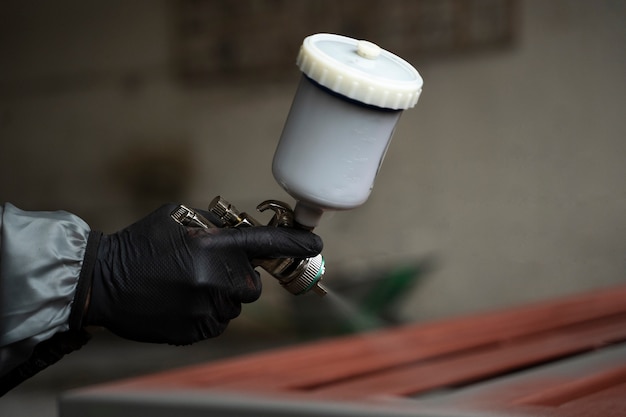
The environmental conditions during paint application also play a significant role in the final outcome. Factors such as temperature, humidity, and ventilation can affect drying times and the overall finish quality. It is essential to work in optimal conditions to achieve the best results. For instance, using professional-grade equipment like my Graco airless spray system allows for precise application even in less-than-ideal conditions.
Health and safety considerations are paramount when working with metal paints. Many paints contain volatile organic compounds (VOCs) that can be harmful if inhaled. Therefore, it is crucial to work in well-ventilated areas and use appropriate protective gear. This includes respirators, gloves, and goggles to safeguard against potential hazards associated with paint fumes and splashes.
The recommended protective gear for painters includes high-quality respirators that filter out harmful particles and vapours, gloves made from chemical-resistant materials, and safety goggles to protect the eyes from splashes. Investing in proper safety equipment not only protects the painter but also ensures compliance with health and safety regulations.
Using professional-grade paints and equipment can make a significant difference in the quality of the finished product. High-quality paints are formulated to withstand harsh environmental conditions and provide better coverage than standard options. Additionally, using advanced tools like my Graco airless spray system allows for an even application that reduces the risk of drips and uneven surfaces.
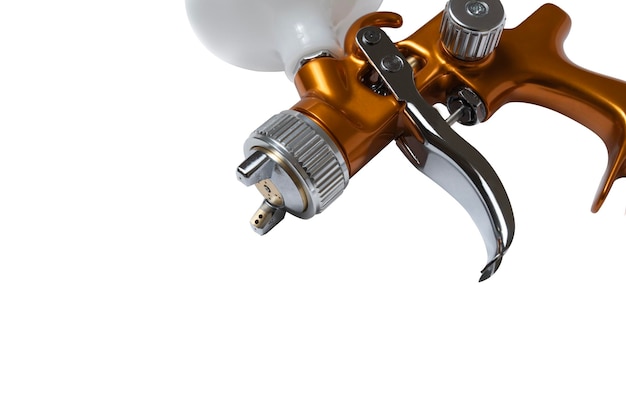
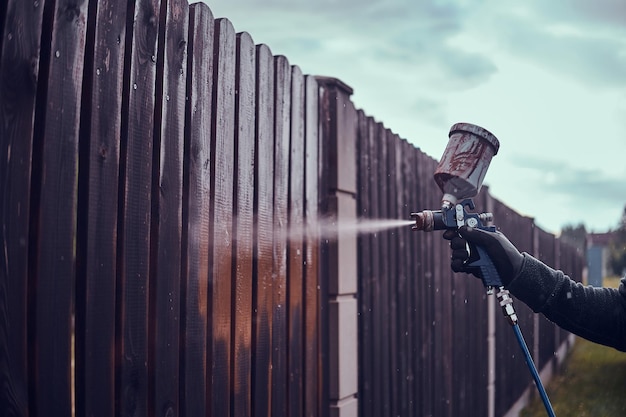
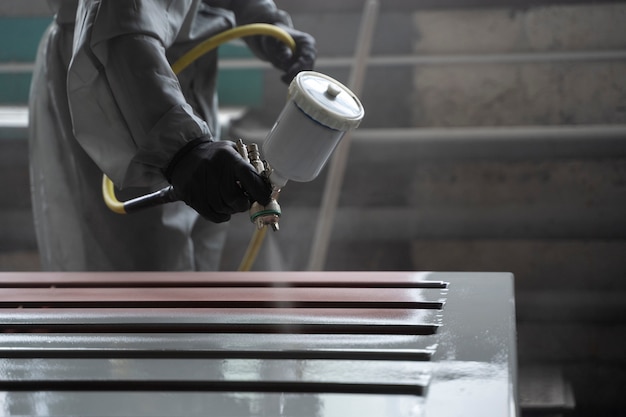
Achieving a smooth finish with airless spray technology requires skill and technique. The airless spray method atomizes the paint into fine droplets, allowing for a uniform coat that adheres well to metal surfaces. This technique not only speeds up the application process but also minimizes overspray, making it an efficient choice for larger projects.
Common mistakes to avoid when painting metal surfaces include neglecting surface preparation, using incompatible primers or paints, and failing to account for environmental conditions. Skipping these crucial steps can lead to poor adhesion, premature wear, and an unsatisfactory finish.
The impact of paint finish on durability and maintenance cannot be overstated. A high-gloss finish may require less frequent cleaning due to its resistance to stains, while a matte finish may need regular touch-ups to maintain its appearance. Understanding these differences can help homeowners make informed decisions about their painting projects.
For those working on large metal surfaces, achieving a consistent colour can be challenging. It is advisable to mix enough paint for the entire project at once to avoid colour discrepancies between batches. Additionally, using the same application technique throughout the project will help maintain uniformity.
Understanding the drying and curing times of different finishes is essential for planning your project effectively. Each type of paint has specific drying times that can vary based on environmental conditions. It is important to follow manufacturer guidelines to ensure optimal results.
The significance of using certified materials for health and safety compliance cannot be overlooked. In my practice, I ensure that all materials used are 100% verified and certified by UK authorities. This commitment not only protects my clients but also contributes to a safer working environment.
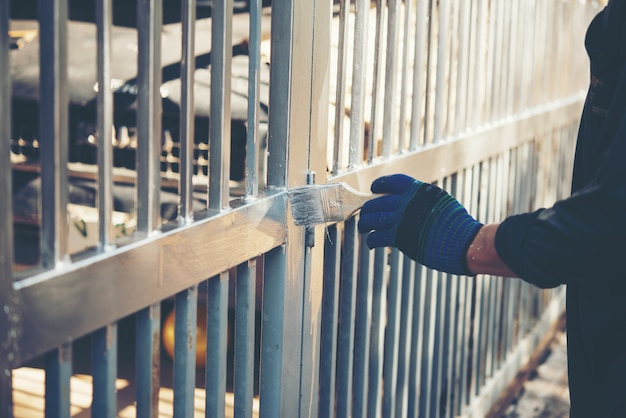
Case studies showcasing successful metal painting projects highlight the importance of proper techniques and equipment. For example, I recently completed a project involving the restoration of a wrought iron gate using my Graco airless spray system. The result was a durable finish that not only enhanced the gate’s appearance but also provided long-lasting protection against rust.
If you are considering a painting project for your metal surfaces or need assistance with any handyman services, feel free to reach out via WhatsApp at 07728868401. I am here to help you achieve the best results while ensuring health and safety standards are met throughout the process.