Understanding damp-prone areas and their characteristics is crucial for homeowners and property managers alike. Damp-prone areas are typically characterised by high humidity levels, poor drainage, and inadequate ventilation. These conditions can lead to the accumulation of moisture in walls, ceilings, and floors, creating an environment conducive to mould growth and structural damage. Common locations for dampness include basements, bathrooms, kitchens, and areas with poor airflow. Recognising these characteristics early on can help mitigate potential issues before they escalate.
The impact of poor ventilation on indoor air quality cannot be overstated. Inadequate airflow allows moisture to linger, which can lead to a build-up of pollutants and allergens in the air. This stagnant air can contain harmful substances such as volatile organic compounds (VOCs) from paints and cleaning products, as well as dust mites and other allergens. As a result, the overall indoor air quality deteriorates, posing risks to the health of occupants. Regular property maintenance services can help ensure that ventilation systems are functioning optimally, thereby improving air quality.
How dampness affects health is a significant concern for many individuals. Prolonged exposure to damp environments can lead to various respiratory issues and allergies. Conditions such as asthma, bronchitis, and other respiratory infections are often exacerbated by mould spores and dust mites that thrive in damp conditions. Furthermore, individuals with pre-existing health conditions may experience heightened symptoms when exposed to poor indoor air quality. It is essential to address these issues promptly through effective ventilation solutions.
The role of ventilation in preventing mould growth is vital. Proper ventilation helps to regulate humidity levels within a property, making it less hospitable for mould spores to settle and proliferate. By ensuring that air circulates freely throughout the space, moisture is effectively removed, reducing the likelihood of mould infestations. Our professional property maintenance services include thorough assessments of existing ventilation systems and recommendations for improvements tailored to your specific needs.
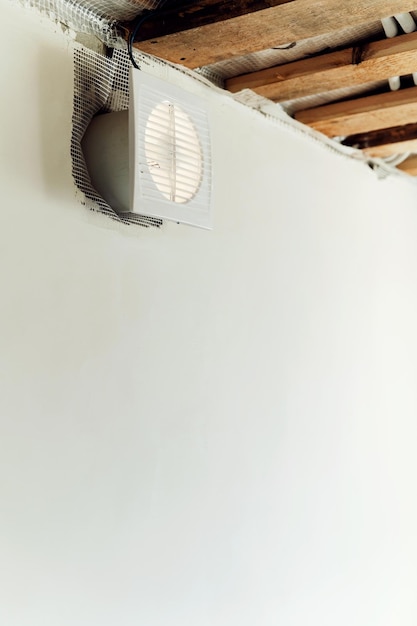
There are several different types of ventilation systems suitable for damp-prone areas. Natural ventilation relies on windows and vents to allow fresh air in while expelling stale air. Mechanical ventilation systems, such as exhaust fans and heat recovery ventilators, actively manage airflow within a property. Each system has its advantages and disadvantages, depending on the specific requirements of the space. Our team is equipped with the knowledge and tools necessary to recommend the best solution for your property.
The importance of regular maintenance for ventilation systems cannot be overlooked. Just like any other system in your home, ventilation requires periodic checks and servicing to ensure it operates efficiently. Neglecting maintenance can lead to blockages, reduced airflow, and ultimately, increased humidity levels. Our property maintenance services include regular inspections and servicing of ventilation systems to keep them in optimal condition.
Identifying signs of inadequate ventilation in your property is essential for maintaining a healthy indoor environment. Common indicators include persistent condensation on windows, a musty smell, visible mould growth, and increased allergy symptoms among occupants. If you notice any of these signs, it may be time to consult with a professional to assess your ventilation system and implement necessary improvements.
The relationship between humidity levels and ventilation effectiveness is critical in damp-prone areas. High humidity levels can overwhelm even the best ventilation systems if not managed properly. Monitoring humidity levels using hygrometers can provide valuable insights into the effectiveness of your ventilation solutions. Our team utilises advanced tools to measure humidity levels accurately and make informed recommendations for improvement.
Implementing best practices for improving ventilation in homes and commercial properties is essential for long-term health and safety. Simple measures such as opening windows regularly, using exhaust fans in kitchens and bathrooms, and ensuring that vents are unobstructed can significantly enhance airflow. Additionally, investing in professional property maintenance services can provide tailored solutions that address specific ventilation challenges unique to your property.
The benefits of professional property maintenance services in ensuring proper ventilation are numerous. With over 10 years of experience in interior maintenance and a focus on health and safety standards, our team is well-equipped to handle all aspects of property care. We utilise state-of-the-art equipment such as the Graco airless spray system for painting projects and Festool dust extraction tools for woodworking tasks, ensuring that our work meets the highest standards of quality and safety.
Case studies showcasing successful ventilation improvements highlight the effectiveness of our services. For instance, we recently worked with a client who experienced persistent mould issues in their basement due to inadequate ventilation. After conducting a thorough assessment, we installed a mechanical ventilation system that significantly improved airflow and reduced humidity levels. The result was a healthier living environment free from mould-related health concerns.
Understanding the legal requirements and building regulations regarding ventilation in the UK is crucial for property owners. The Building Regulations 2010 set out specific guidelines for ventilation in residential properties to ensure the health and safety of occupants. Compliance with these regulations not only protects residents but also enhances the overall value of the property.
The cost-effectiveness of investing in proper ventilation solutions should not be underestimated. While there may be initial costs associated with installing or upgrading ventilation systems, the long-term benefits far outweigh these expenses. Improved indoor air quality leads to better health outcomes for occupants, potentially reducing healthcare costs associated with respiratory issues and allergies.
Homeowners should consider several tips for maintaining a healthy indoor environment. Regularly check for signs of dampness or mould growth, ensure that vents are clear of obstructions, and invest in dehumidifiers if necessary. Additionally, engaging professional property maintenance services can provide peace of mind knowing that your home is being cared for by experts who prioritise health and safety.
Our property maintenance services can help you achieve optimal ventilation and health safety standards. With our expertise in identifying issues related to dampness and inadequate airflow, we can provide tailored solutions that meet your specific needs. If you’re concerned about the ventilation in your property or would like to schedule an assessment, feel free to reach out via WhatsApp at 07728868401. Your health and safety are our top priorities.