The role of health and safety in property maintenance cannot be overstated. As a professional handyman with over 10 years of experience in interior design and property maintenance, I have witnessed firsthand the critical importance of implementing robust health and safety measures. These practices not only protect the workers but also ensure the well-being of clients and the integrity of their properties. My commitment to health and safety is reflected in every aspect of my work, from risk assessments to the use of personal protective equipment (PPE).
One of the foundational elements of effective property maintenance is conducting thorough risk assessments. Before commencing any project, I evaluate potential hazards that may arise during the work. This includes identifying risks associated with electrical installations, plumbing repairs, or even painting and decorating tasks. By understanding these risks, I can implement appropriate control measures to mitigate them, ensuring a safer working environment for myself and anyone else involved.
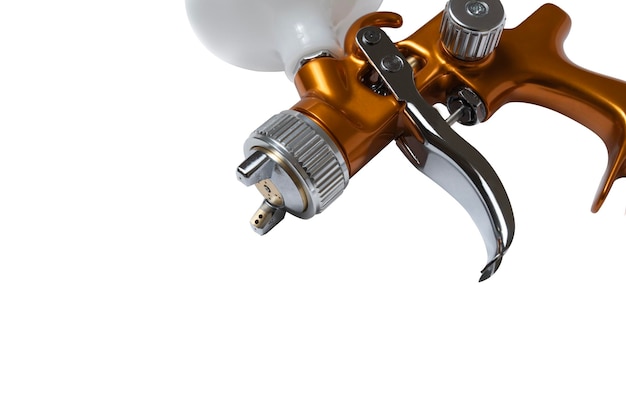
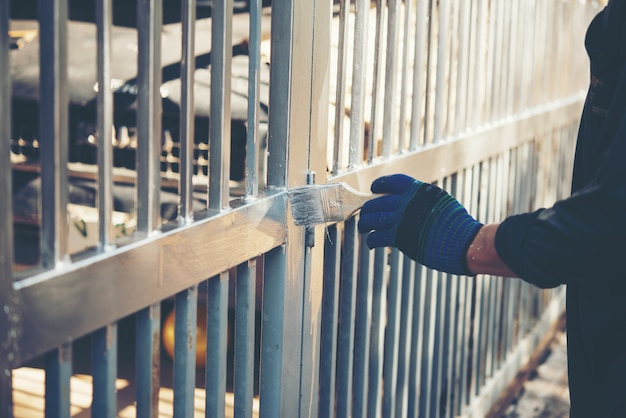
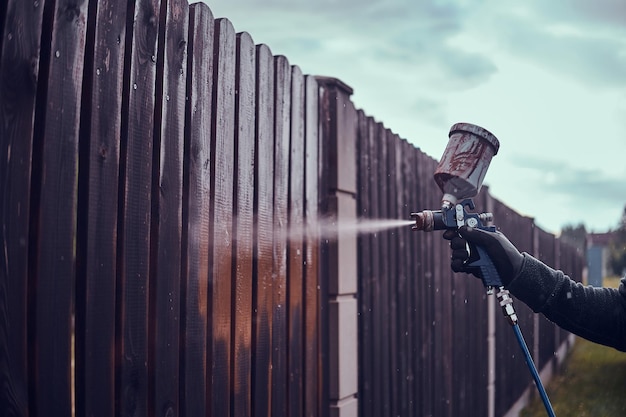
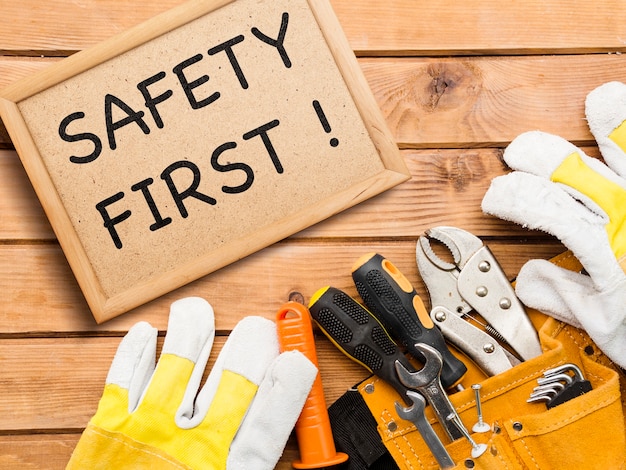
The use of personal protective equipment (PPE) is another crucial aspect of maintaining safety on job sites. I always wear high-quality PPE, including safety goggles, gloves, and masks, especially when using my professional airless spray equipment from Graco for painting. This not only protects me from harmful substances but also sets a standard for safety that clients can trust. The importance of PPE cannot be underestimated; it serves as the first line of defence against workplace injuries.
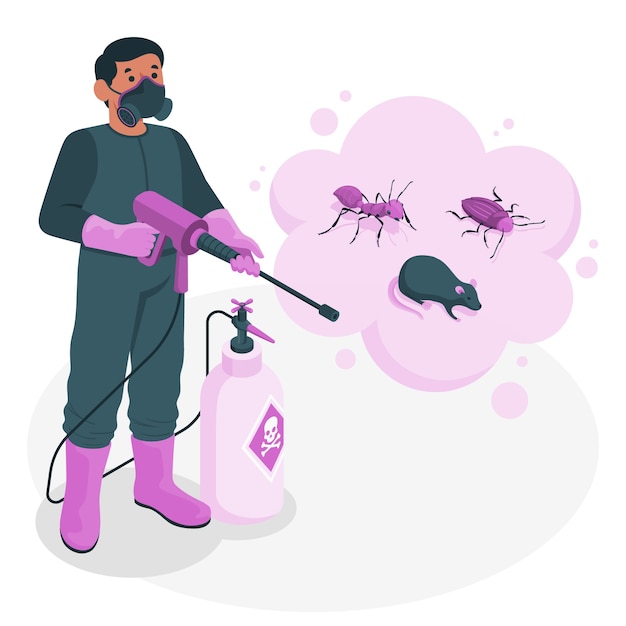
In addition to PPE, the safe handling and storage of hazardous materials is vital in property maintenance. Whether I am dealing with paints, solvents, or cleaning agents, I ensure that all materials are stored correctly and used according to manufacturer guidelines. This practice not only protects my health but also prevents potential accidents that could affect clients or damage their properties.
Regular safety training for maintenance personnel is essential for keeping everyone informed about best practices and new regulations. I make it a priority to stay updated on the latest health and safety protocols through continuous training. This commitment ensures that I am well-equipped to handle any situation that may arise during my work, from minor repairs to complex installations.
Compliance with UK health and safety regulations is non-negotiable in my line of work. Being registered for tax purposes in England and holding an NVQ Level 2 accreditation means that I adhere strictly to all legal requirements. This compliance not only protects me but also provides peace of mind to my clients, knowing that their property is in safe hands.
The impact of proper ventilation during maintenance work is another critical factor that I consider. When using products that emit fumes or dust, such as during painting or sanding, I ensure that the area is well-ventilated. This practice helps to reduce inhalation risks and creates a healthier environment for both myself and the occupants of the property.
Preventing slips, trips, and falls on job sites is a priority for me. I implement various strategies to minimise these risks, such as keeping work areas tidy and using non-slip mats where necessary. My experience has taught me that even small measures can significantly reduce the likelihood of accidents occurring.
The importance of using certified tools and equipment cannot be overlooked in ensuring safety during property maintenance tasks. I utilise top-of-the-line tools from brands like Bosch, DeWalt, Hilti, JCB, and Rothenberger. For instance, my Festool dust extraction sander not only provides a smooth finish but also minimises dust exposure, contributing to a safer working environment.
Emergency procedures and first aid training are integral components of my safety protocol. I am trained in first aid and have a clear plan in place for emergencies. This preparedness ensures that I can respond quickly and effectively should an incident occur on-site.
The role of communication in promoting a safety culture cannot be underestimated. I maintain open lines of communication with clients regarding safety expectations and procedures. This transparency fosters trust and encourages clients to voice any concerns they may have about ongoing projects.
Identifying and mitigating potential hazards in residential properties is a skill I have honed over the years. During my property maintenance inspections, I look for signs of wear and tear that could pose risks, such as loose railings or damaged flooring. By addressing these issues proactively, I help ensure the long-term safety of the property.
The benefits of routine inspections for maintaining safety standards are clear. Regular checks allow me to identify potential hazards before they escalate into serious problems. This proactive approach not only enhances safety but also saves clients time and money in the long run.
Documenting safety protocols and incidents is another essential practice in my work. Keeping detailed records helps track compliance with health and safety regulations and provides valuable insights into areas for improvement. This documentation serves as a reference point for future projects and reinforces my commitment to maintaining high safety standards.
The role of client education in promoting health and safety during maintenance work is significant. I take the time to explain safety measures to clients, ensuring they understand the steps being taken to protect their property and themselves. This education empowers clients to participate actively in maintaining a safe environment.
Case studies showcasing successful health and safety practices in property maintenance highlight the effectiveness of these measures. For example, after implementing rigorous risk assessments and PPE usage on a recent painting project, there were no incidents reported, demonstrating the positive impact of prioritising health and safety.
In conclusion, the role of health and safety in property maintenance is multifaceted and essential for ensuring the well-being of both workers and clients. By prioritising risk assessments, using appropriate PPE, handling hazardous materials safely, providing regular training, complying with regulations, ensuring proper ventilation, preventing slips and falls, using certified tools, preparing for emergencies, fostering communication, identifying hazards, conducting routine inspections, documenting protocols, educating clients, and learning from case studies, I strive to create a safe working environment at all times.
If you are looking for reliable property maintenance services that prioritise health and safety, feel free to reach out via WhatsApp at 07728868401. Your safety is my top priority!