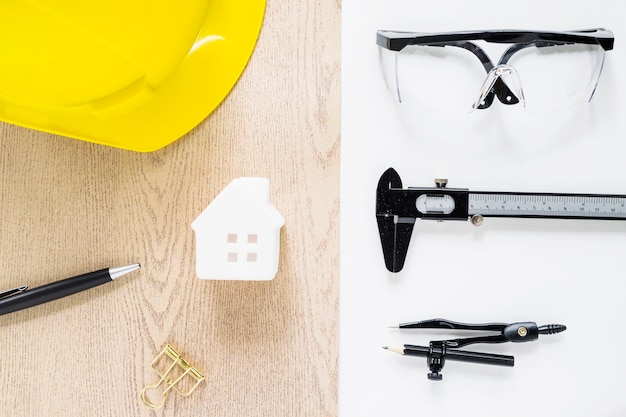
The role of health and safety in professional decorating cannot be overstated. As a seasoned decorator with over 10 years of experience in the field, I have witnessed firsthand the critical importance of implementing robust health and safety measures before embarking on any decorating project. One of the first steps in ensuring a safe working environment is conducting thorough risk assessments. This process involves identifying potential hazards associated with the specific tasks at hand, evaluating the risks, and determining appropriate control measures to mitigate them. By taking the time to assess risks, decorators can prevent accidents and ensure a safer experience for both themselves and their clients.
Another essential aspect of health and safety in professional decorating is the use of personal protective equipment (PPE). As a decorator, I always prioritise my safety by wearing high-quality PPE, including gloves, masks, goggles, and protective clothing. This equipment is vital for protecting against harmful substances, such as paint fumes and dust particles generated during sanding or preparation work. For instance, when using my Festool dust extraction sander, I ensure that I am equipped with a mask to filter out fine dust particles, safeguarding my respiratory health while maintaining a clean working environment.
Safe handling and storage of hazardous materials is another critical component of health and safety in decorating. Many paints and solvents contain chemicals that can be harmful if not managed correctly. I always adhere to strict guidelines for storing these materials in well-ventilated areas, away from direct sunlight and heat sources. Additionally, I ensure that all containers are clearly labelled and securely closed when not in use. This practice not only protects my health but also minimises risks for clients and others in the vicinity.
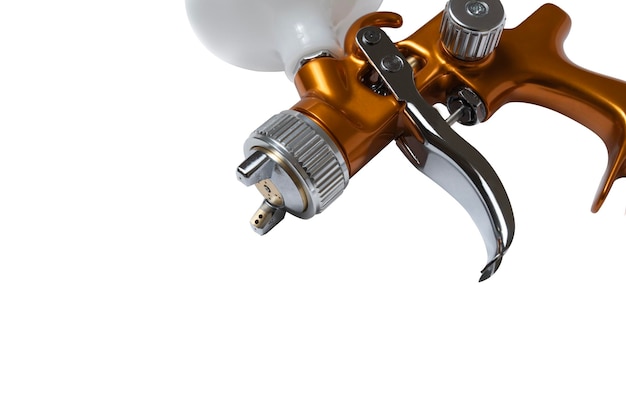
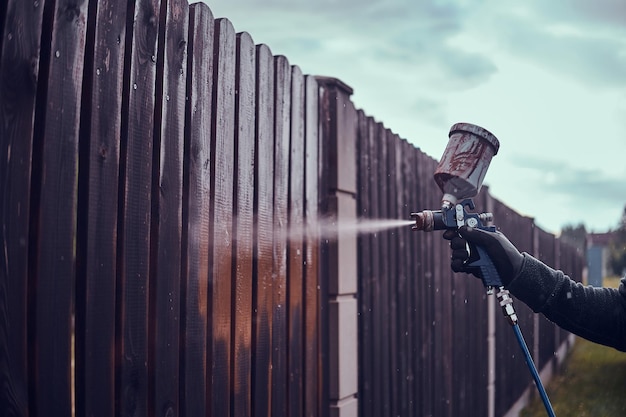
Proper ventilation during painting and decorating is paramount for maintaining a safe working environment. When using my Graco airless spray system, I make it a point to ensure that the area is well-ventilated to disperse any potentially harmful fumes. This may involve opening windows, using fans, or employing air purifiers to enhance air circulation. By prioritising ventilation, I can significantly reduce the risk of inhaling toxic substances, thereby protecting my long-term health.
Training and certification requirements for decorators regarding health and safety are also crucial. As an accredited NVQ Level 2 professional, I have undergone extensive training that covers various aspects of health and safety in the decorating industry. This training equips me with the knowledge necessary to identify hazards, implement safety measures, and respond effectively in emergencies. Staying updated on industry standards ensures that I provide the highest level of service while prioritising safety.
The role of equipment maintenance in ensuring safety standards cannot be overlooked. Regularly inspecting and maintaining tools such as my Bosch power tools and DeWalt drills is essential for preventing malfunctions that could lead to accidents. I adhere to a strict maintenance schedule, checking for wear and tear, replacing damaged parts, and ensuring that all equipment is functioning correctly before each job. This proactive approach not only enhances safety but also improves the quality of my work.
Understanding the legal obligations related to health and safety in the UK decorating industry is vital for compliance and accountability. As a professional decorator operating legally in England, I am aware of my responsibilities under the Health and Safety at Work Act 1974. This legislation mandates that I take reasonable steps to ensure the safety of myself, my clients, and anyone else affected by my work. By adhering to these regulations, I contribute to a safer working environment for all parties involved.
Best practices for ladder and scaffolding safety are essential considerations in any decorating project. When working at heights, I always use high-quality ladders from reputable brands like JCB, ensuring they are stable and secure before climbing. Additionally, I follow strict guidelines for scaffolding setup when required, ensuring that it is erected by qualified personnel and inspected regularly. These practices significantly reduce the risk of falls, which are among the most common accidents in the decorating industry.
The impact of health and safety regulations on project timelines and costs is often a concern for clients. However, investing time and resources into proper safety measures ultimately leads to smoother project execution and fewer delays caused by accidents or injuries. By prioritising health and safety from the outset, I can complete projects efficiently while maintaining high standards of quality.
Creating a safe working environment for both decorators and clients is a fundamental responsibility. I achieve this by maintaining clear communication with clients about health and safety measures being implemented during the project. Before starting any work, I discuss potential hazards, outline safety protocols, and address any concerns they may have. This transparency fosters trust and ensures that everyone involved understands their role in maintaining a safe environment.
Strategies for preventing slips, trips, and falls on the job site are also crucial components of health and safety practices. I take proactive measures to keep work areas tidy by promptly cleaning up spills, securing loose cables, and ensuring that tools are stored safely when not in use. By maintaining an organised workspace, I significantly reduce the likelihood of accidents occurring.
The role of health and safety in protecting the long-term well-being of decorators cannot be emphasised enough. By prioritising safety measures throughout my career, I have been able to maintain my health while delivering high-quality services to clients. This commitment not only benefits me but also enhances my reputation as a reliable decorator who values client safety.
Case studies showcasing successful implementation of health and safety practices in decorating projects highlight the positive outcomes that can result from prioritising these measures. For example, during a recent project involving extensive interior painting using my Graco airless spray system, I implemented rigorous ventilation protocols that resulted in zero complaints from clients regarding fumes or odours. This success reinforces the importance of adhering to health and safety standards in achieving client satisfaction.
The benefits of investing in health and safety training for decorators extend beyond compliance; they contribute to overall job satisfaction and professional growth. By continually enhancing my knowledge of health and safety practices, I am better equipped to handle challenges that may arise on the job site. This investment not only protects my well-being but also elevates the quality of service I provide to clients.
In conclusion, the role of health and safety in professional decorating is multifaceted and essential for ensuring a safe working environment for both decorators and clients alike. From conducting thorough risk assessments to utilising personal protective equipment, every aspect contributes to minimising risks associated with decorating projects. If you are looking for a professional decorator who prioritises health and safety while delivering exceptional results, feel free to reach out via WhatsApp at 07728868401. Together, we can create a safe and beautiful space for your home or business.