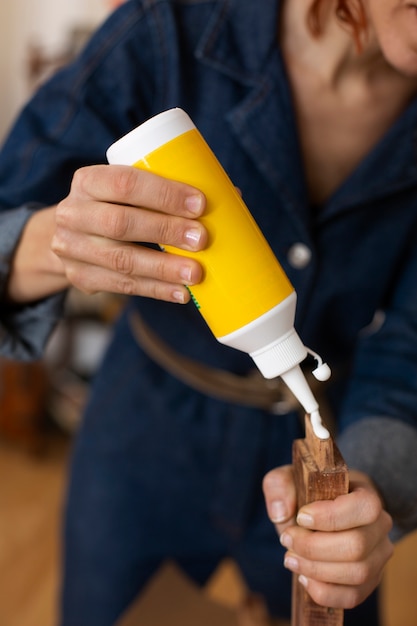
The role of adhesives in modern carpentry is pivotal, influencing not only the quality of the finished product but also the efficiency and safety of the entire woodworking process. The importance of selecting the right adhesive for different woodworking projects cannot be overstated. Each project presents unique challenges and requirements, making it essential to choose an adhesive that complements the materials and conditions involved. For instance, when working on furniture assembly or repairs, I often opt for PVA (polyvinyl acetate) adhesives due to their strong bond and ease of use. This choice ensures that the joints remain secure while allowing for some flexibility, which is crucial in furniture that experiences regular movement.
The evolution of adhesives in carpentry has been remarkable, transitioning from traditional methods to modern solutions that enhance performance and usability. Historically, woodworkers relied on natural glues derived from animal products or plant resins. However, advancements in chemistry have led to the development of synthetic adhesives that offer superior bonding capabilities and resistance to environmental factors. In my work, I utilise a range of modern adhesives, including epoxy and polyurethane, which provide exceptional strength and durability for various applications.
One of the significant advantages of using adhesives is how they enhance structural integrity in wooden constructions. By creating a continuous bond between surfaces, adhesives distribute stress more evenly across joints, reducing the likelihood of failure under load. This is particularly important in larger projects such as installing wooden beams or constructing outdoor structures like gazebos. My experience with high-quality adhesives ensures that these constructions not only meet aesthetic standards but also adhere to safety regulations.
Furthermore, adhesives play a crucial role in reducing the need for mechanical fasteners, such as screws and nails. While mechanical fasteners can provide immediate holding power, they often compromise the wood’s integrity by creating stress points. By using adhesives effectively, I can create cleaner lines and smoother finishes in my woodworking projects. This approach is especially beneficial when working on intricate designs or when aesthetics are a priority.
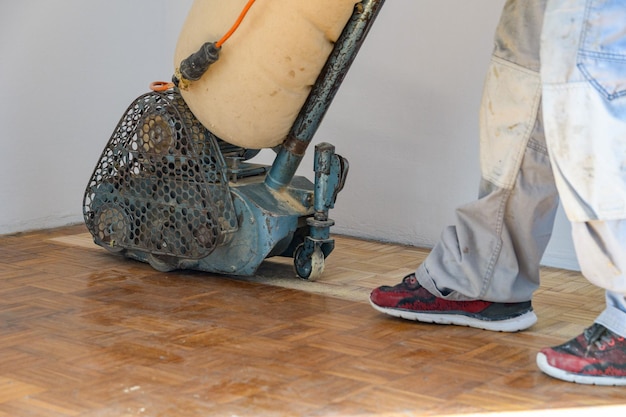
Health and safety considerations when using adhesives in carpentry are paramount. Many modern adhesives contain chemicals that can be harmful if inhaled or if they come into contact with skin. Therefore, I always ensure to use professional-grade equipment and protective gear when applying these substances. For instance, I employ a Festool dust extraction sander to minimise airborne particles during surface preparation, ensuring a safer working environment. Additionally, I follow strict guidelines for ventilation and personal protective equipment (PPE) to safeguard both myself and my clients.
The environmental impact of modern adhesives is another critical aspect to consider. Many traditional adhesives contained harmful solvents that contributed to air pollution and health risks. Today, there are sustainable options available that reduce this impact significantly. I actively seek out eco-friendly adhesives that are low in volatile organic compounds (VOCs), ensuring that my projects not only meet client expectations but also align with environmental standards.
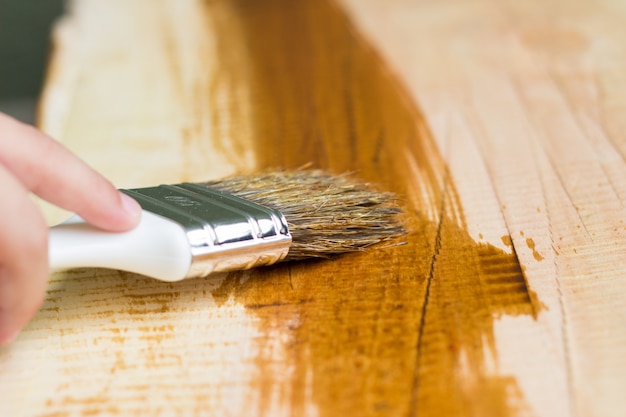
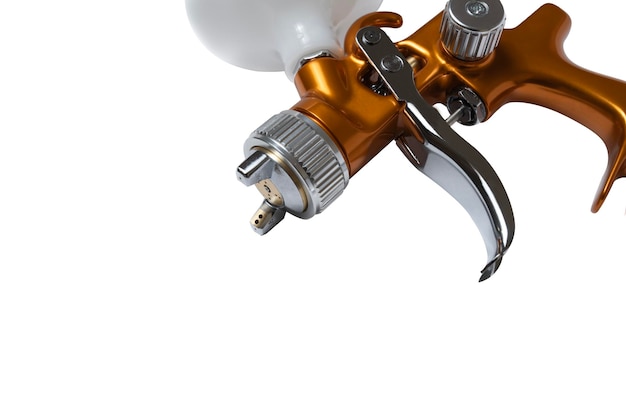
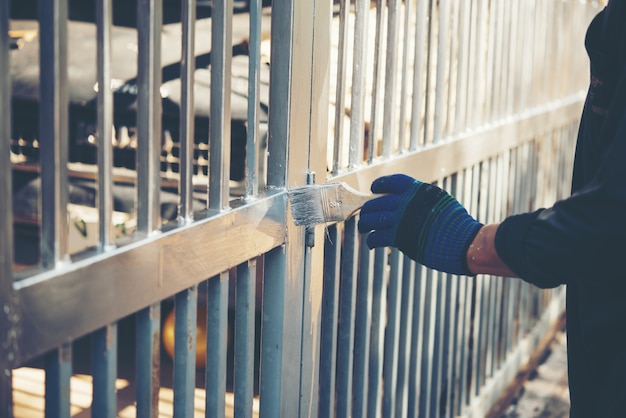
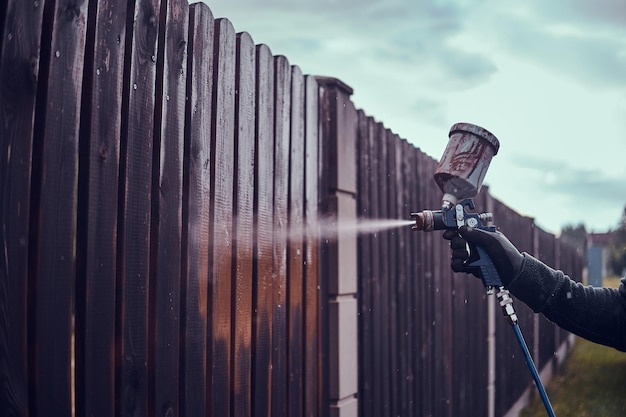
Techniques for applying adhesives effectively in woodworking are essential for achieving optimal results. I often use my Graco airless spray system for even application, especially when working on larger surfaces or intricate details. This method allows for precise control over the amount of adhesive used, reducing waste and ensuring a strong bond. Additionally, understanding the correct curing times and conditions is vital for optimal adhesive performance. Each type of adhesive has specific requirements that must be adhered to for maximum effectiveness.
The benefits of using adhesives in furniture assembly and repair are numerous. They allow for quicker assembly times and can often eliminate the need for clamping, which can be cumbersome and time-consuming. In my experience, using high-quality epoxy adhesives has enabled me to complete repairs on wooden furniture swiftly while ensuring a durable finish that withstands daily use.
Case studies showcasing successful projects that utilised adhesives highlight their effectiveness in real-world applications. For example, I recently completed a project where I restored an antique wooden table using a combination of PVA and epoxy adhesives. The result was a beautifully restored piece that retained its original character while gaining enhanced structural integrity. Such projects demonstrate how the right adhesive can breathe new life into cherished items.
However, there are common mistakes to avoid when working with adhesives in carpentry. One frequent error is not preparing the surfaces adequately before application. Proper surface preparation is crucial for achieving a strong bond; therefore, I always ensure that surfaces are clean, dry, and free from contaminants before applying any adhesive. Additionally, misjudging curing times can lead to weak bonds or unsightly finishes, so I make it a point to follow manufacturer guidelines closely.
The future of adhesives in woodworking looks promising, with innovations and trends continually emerging. Advances in technology are leading to the development of smarter adhesives that can adapt to environmental changes or even self-heal when damaged. As a professional carpenter with over ten years of experience, I am excited about these developments and how they will enhance my work.
Proper storage and handling of adhesives are also critical for safety and longevity. I always store my adhesives in a cool, dry place away from direct sunlight to prevent degradation. Additionally, I ensure that all containers are tightly sealed to avoid contamination or evaporation of volatile components.
Finally, comparing different types of adhesives—such as PVA, epoxy, and polyurethane—reveals their unique applications and benefits. PVA is excellent for general woodworking tasks due to its ease of use and clean-up properties. Epoxy offers superior strength and moisture resistance, making it ideal for outdoor projects or areas exposed to water. Polyurethane provides flexibility and durability, making it suitable for applications where movement is expected.
In conclusion, the role of adhesives in modern carpentry is multifaceted and essential for achieving high-quality results. By understanding the importance of selecting the right adhesive, utilising modern techniques and tools like my Graco airless spray system and Festool equipment, and prioritising health and safety considerations, I can deliver exceptional woodworking services that meet client needs while adhering to industry standards.
If you’re interested in learning more about how I can assist you with your woodworking projects or if you have any questions regarding my services, feel free to reach out via WhatsApp at 07728868401.