Selecting the ideal screen size for your room is a crucial decision that can significantly enhance your home entertainment experience. Understanding the importance of screen size in relation to room dimensions is the first step in making an informed choice. A screen that is too large for a small room can overwhelm the space, while a screen that is too small may not provide the immersive experience you desire. Therefore, it is essential to consider the dimensions of your room before making a purchase.
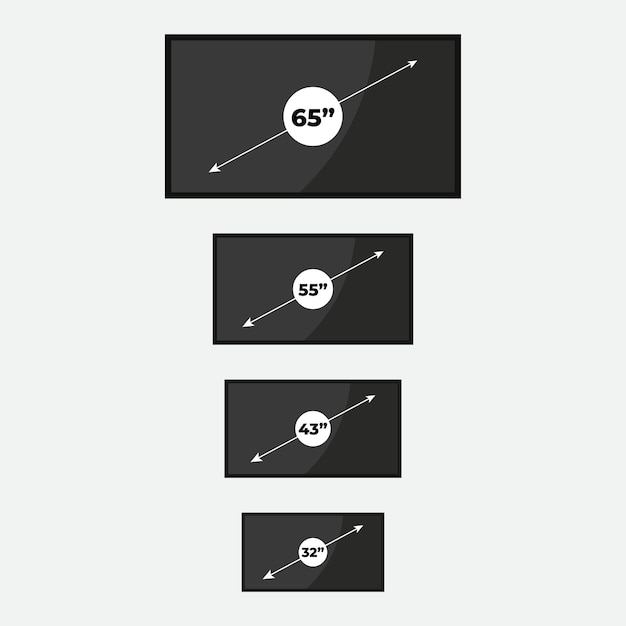
The impact of viewing distance on screen size selection cannot be overstated. The general rule of thumb is that the optimal viewing distance should be approximately 1.5 to 2.5 times the diagonal size of the screen. For instance, if you have a 55-inch screen, the ideal viewing distance would range from about 6.5 to 11.5 feet. This distance ensures that you can enjoy the full detail and clarity of the image without straining your eyes.
When it comes to recommended screen sizes for different room types, living rooms typically accommodate larger screens, ranging from 55 to 75 inches, depending on the space available. Bedrooms, on the other hand, may benefit from smaller screens, usually between 32 and 50 inches, as they are often viewed from a closer distance. For dedicated home theatres, larger screens of 75 inches or more are ideal, as they create an immersive cinematic experience.
The role of resolution and screen quality in determining ideal size is also significant. Higher resolution screens, such as 4K or 8K, allow for larger sizes without compromising image quality. This means that you can opt for a bigger screen while still enjoying sharp and clear visuals. Investing in a high-quality screen will enhance your viewing experience, making it worthwhile to consider when selecting the right size.
Accurate measurements are vital for optimal screen placement. Knowing how to measure your space accurately involves taking into account not only the wall space but also any furniture that may obstruct the view. Measure the height and width of the wall where you plan to mount the screen, and consider any additional space needed for sound systems or other equipment.
Considering furniture arrangement is another critical factor that affects screen size choice. The layout of your room can influence how far away you sit from the screen and how well you can see it from different angles. Ensure that your seating arrangement allows for comfortable viewing without straining your neck or eyes.
The significance of ambient light in your room cannot be overlooked when selecting a screen size. Rooms with ample natural light may require larger screens or screens with higher brightness levels to ensure visibility during daytime viewing. Conversely, darker rooms can accommodate smaller screens without losing image quality.
Evaluating the purpose of the screen is essential for size selection as well. If you plan to use the screen primarily for gaming, a larger size may enhance your experience by providing a more immersive environment. For movie watching, a larger screen can replicate the cinema experience at home, while presentations may require a different aspect ratio and size for clarity.
The benefits of larger screens for immersive experiences are well-documented. Larger screens draw viewers into the action, making them feel part of the experience rather than just observers. This is particularly important for gaming and movie watching, where immersion can significantly enhance enjoyment.
However, with larger screens come health and safety considerations. When installing large screens, it is crucial to ensure proper mounting and stability to prevent accidents. Using professional installation services can mitigate risks associated with improper mounting techniques. As an experienced handyman with over ten years in property maintenance and home entertainment system installation, I prioritise health and safety by using high-quality mounting equipment and adhering to best practices.
The importance of professional installation cannot be overstated when it comes to ensuring safety and optimal performance. My expertise in installing home entertainment systems includes using top-of-the-line tools such as Bosch drills and DeWalt screwdrivers to guarantee secure fittings. This not only enhances safety but also ensures that your system performs at its best.
Integrating sound systems with your screen size is another aspect worth considering for enhanced entertainment. Tips for integrating sound systems include positioning speakers at ear level and ensuring they are appropriately distanced from the screen to avoid interference. A well-planned audio setup complements your visual experience, creating a balanced home theatre environment.
The impact of wall colour and decor on perceived screen size is often underestimated. Darker walls can make a screen appear larger, while lighter walls may diminish its impact. Consider how your room’s decor interacts with your chosen screen size to create a cohesive look that enhances your viewing experience.
Future-proofing your investment is another critical consideration when choosing a screen size. Technology evolves rapidly, and selecting a size that accommodates future advancements will ensure that your investment remains relevant for years to come. Opting for a slightly larger screen now may save you from needing an upgrade sooner than expected.
Finally, avoiding common mistakes when selecting screen size for your home entertainment system is essential for achieving satisfaction with your purchase. Many people underestimate the importance of viewing distance or fail to consider their room’s layout adequately. By taking the time to assess these factors carefully, you can avoid costly errors and enjoy a seamless entertainment experience.
If you’re ready to take the next step in enhancing your home entertainment system, don’t hesitate to reach out! You can message me on WhatsApp at 07728868401 for professional advice and assistance with your installation needs.