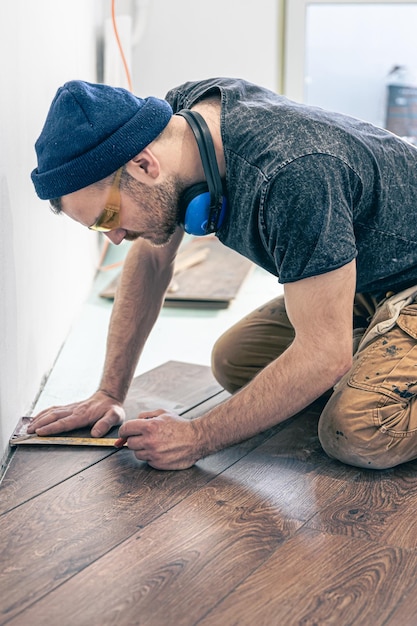
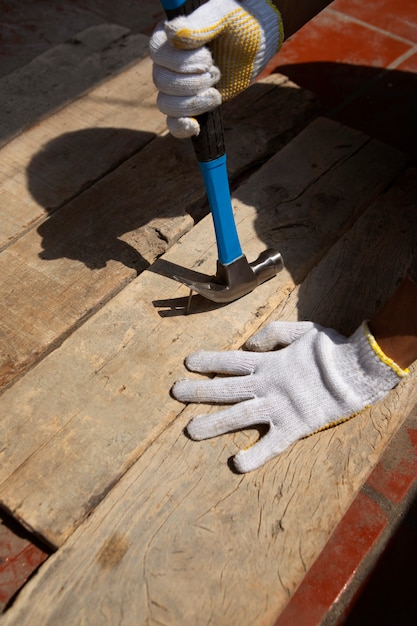
Repairing worn or damaged wooden floors is a task that requires a keen understanding of the materials involved, the tools necessary, and the techniques that can restore the beauty and functionality of your flooring. Understanding the common causes of wear and damage in wooden floors is essential for any homeowner. Factors such as heavy foot traffic, furniture movement, and exposure to moisture can lead to scratches, dents, and even warping. Additionally, the natural aging process of wood can contribute to its deterioration over time.
The importance of regular maintenance cannot be overstated when it comes to prolonging the life of wooden flooring. Regular cleaning, polishing, and refinishing can help protect the surface from damage and keep it looking its best. By investing time in maintenance, homeowners can avoid costly repairs down the line and ensure their wooden floors remain a stunning feature of their home.
Identifying signs of damage is crucial for timely intervention. Scratches, dents, and water damage are common indicators that your wooden floor may need attention. Scratches can often be buffed out, while deeper dents may require more extensive repair work. Water damage, on the other hand, can lead to serious issues such as mould growth and structural damage if not addressed promptly.
When it comes to repairing wooden floors, having the right tools and materials is vital. Essential tools include a high-quality sander, such as the Festool dust-extraction sander I use, which ensures a clean working environment while effectively removing old finishes. Additionally, wood fillers, sandpaper of various grits, and finishing products are necessary for a successful repair job.
A step-by-step guide to sanding and refinishing worn wooden floors begins with preparing the area by removing furniture and cleaning the floor thoroughly. Next, using the Festool sander, I sand down the surface to remove any old finish and smooth out imperfections. After sanding, it’s important to vacuum the area to eliminate dust before applying a new finish. This process not only revitalises the wood but also protects it from future wear.
Another important aspect of floor repair is filling gaps and cracks. Techniques for this include using wood filler that matches the colour of your flooring. After applying the filler, it should be sanded down to create a seamless finish. This step is crucial for maintaining the aesthetic appeal of your wooden floors.
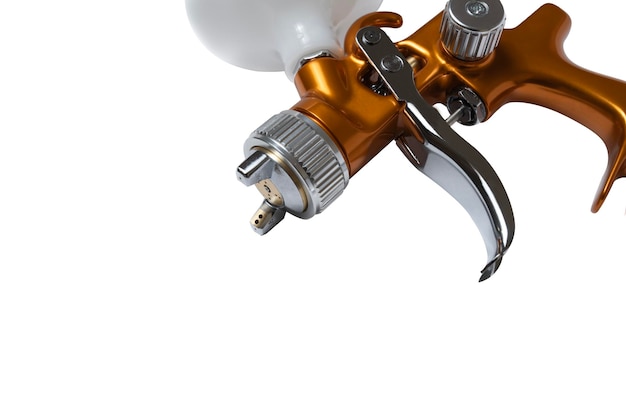
The benefits of using professional-grade equipment for repairs cannot be overlooked. Tools like my Graco airless spray system allow for an even application of finishes, ensuring a smooth and professional look. Using high-quality equipment not only enhances the final result but also improves efficiency during the repair process.
While working with wood and chemicals, health and safety considerations are paramount. It’s essential to wear protective gear such as masks and goggles to prevent inhalation of dust and exposure to harmful substances. Additionally, ensuring proper ventilation in the workspace helps mitigate any risks associated with chemical fumes.
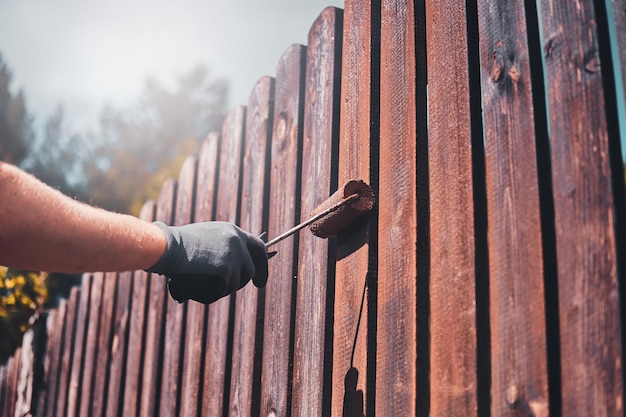
Choosing the right finish for your wooden floor restoration is another critical decision. Different finishes offer varying levels of durability and appearance. For instance, oil-based finishes provide a rich look but take longer to dry, while water-based finishes dry quickly and are easier to clean up. Understanding these differences can help homeowners make informed choices that suit their lifestyle.
After completing repairs, knowing how to properly clean and maintain wooden floors is essential for longevity. Regular sweeping or vacuuming helps remove dirt and debris that can scratch the surface. Additionally, using a damp mop with a suitable wood cleaner will keep the floor looking fresh without causing damage.
The role of humidity and temperature in the longevity of wooden floors should not be underestimated. Wood is a natural material that expands and contracts with changes in humidity. Maintaining a stable environment with controlled humidity levels can prevent warping and cracking over time.
To prevent future damage, homeowners can take several proactive measures. Using rugs in high-traffic areas can help protect against scratches, while felt pads under furniture legs can prevent dents. Regular maintenance checks can also identify potential issues before they escalate into significant problems.
When considering whether to tackle repairs yourself or seek professional help, it’s important to weigh your skills against the complexity of the job. When to consider professional help versus DIY repairs often depends on the extent of the damage. For minor scratches or small areas of wear, DIY methods may suffice. However, for extensive damage or refinishing projects, hiring a professional like myself ensures quality results.
Case studies of successful wooden floor repairs highlight the effectiveness of professional intervention. I have worked on numerous projects where clients were amazed at how their worn-out floors were transformed into stunning features of their homes through careful sanding, refinishing, and attention to detail.
The environmental impact of using sustainable materials in floor repair projects is becoming increasingly important. By choosing eco-friendly products and methods, we can contribute to a healthier planet while still achieving beautiful results in our homes.
If you’re facing issues with your wooden floors or simply want to maintain their beauty, don’t hesitate to reach out for assistance. You can contact me directly via WhatsApp at 07728868401 for expert advice or to schedule a consultation.