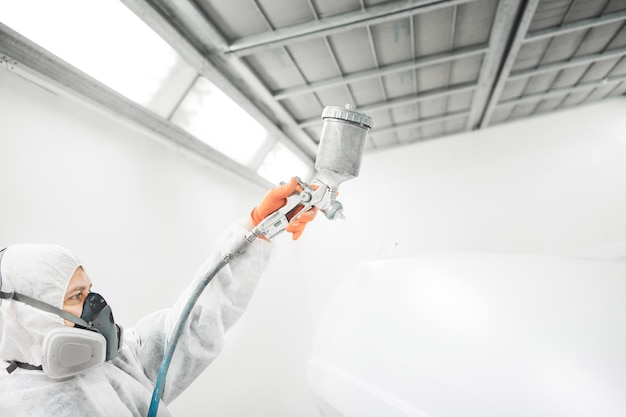
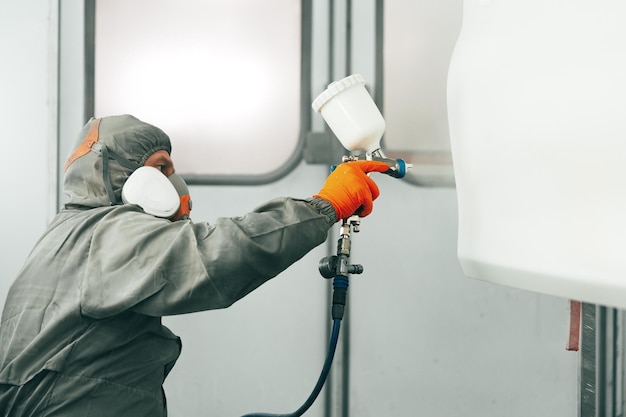
The importance of protective equipment in spray painting cannot be overstated, especially for professionals in the field. As a seasoned expert in Painting & Decorating with over 10 years of experience, I understand that the role of personal protective equipment (PPE) is crucial in ensuring the safety of spray painting professionals. The use of PPE not only protects the individual but also contributes to a safer working environment overall. In my practice, I prioritise health and safety, utilising high-quality protective gear to mitigate risks associated with spray painting.
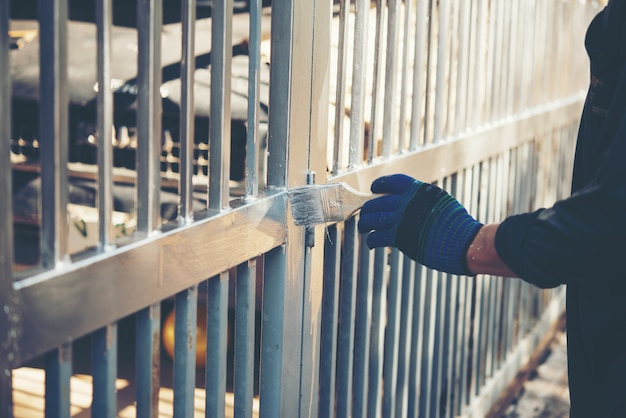
There are several types of PPE essential for spray painting, including respirators, gloves, and protective clothing. Respirators are particularly important as they filter out harmful paint fumes and particles, ensuring that the air we breathe remains safe. I always opt for high-grade respirators that meet UK safety standards. Additionally, gloves protect the skin from direct contact with paint chemicals, while protective clothing, such as coveralls, shields the body from overspray and potential skin irritants. In my work, I ensure that all team members are equipped with the appropriate PPE before commencing any project.
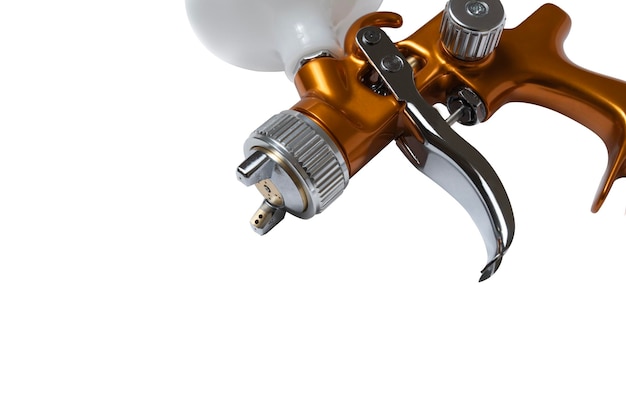
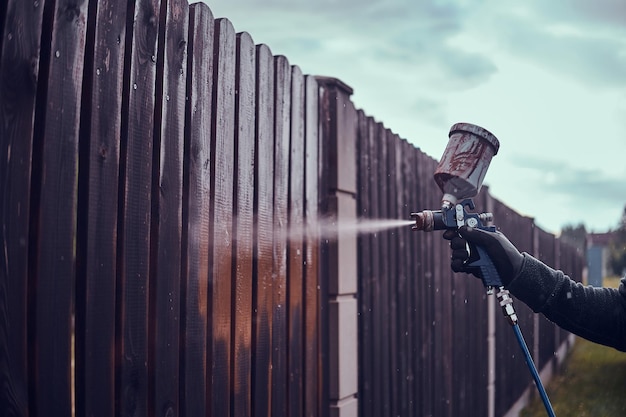
Utilising airless spray equipment is another critical aspect of my painting services. This technology minimises overspray and reduces exposure to harmful chemicals. My Graco airless spray system allows for precise application, which not only enhances the quality of the finish but also limits the amount of paint that becomes airborne. This is particularly beneficial in residential areas where clients may be concerned about their health and safety during the painting process.
The health risks associated with inhaling paint fumes are significant. Prolonged exposure can lead to respiratory issues and other serious health problems. By wearing appropriate PPE, such as respirators, I can effectively mitigate these risks. It is essential to educate clients about these dangers and reassure them that I take every precaution to protect both myself and them during the painting process.
Proper ventilation in spray painting environments is also vital. Adequate airflow helps disperse harmful fumes and ensures a safer working atmosphere. When I undertake projects, I assess the ventilation of the space and make necessary adjustments to enhance airflow. This practice not only protects my health but also contributes to a more pleasant experience for clients who may be present during the work.
Training and certification requirements for safe spray painting practices are essential components of my professional development. I hold an NVQ Level 2 certification, which involves carrying out complex work-based duties while gaining a comprehensive understanding of health and safety protocols. This training equips me with the knowledge to implement best practices in every project I undertake.
Long-term exposure to paint chemicals can have detrimental effects on health. By consistently using protective gear, I can prevent these adverse outcomes. My commitment to health and safety extends beyond just compliance; it is a fundamental aspect of my work ethic. I believe that investing in high-quality PPE is not just a legal obligation but a moral one as well.
Maintaining and inspecting PPE is crucial for ensuring maximum effectiveness. I regularly check my equipment for wear and tear, replacing items as necessary to maintain optimal protection levels. This diligence extends to my team as well; we conduct routine inspections to ensure that everyone is adequately protected before starting any job.
Legal obligations regarding health and safety in the workplace are taken seriously in my practice. As a registered contractor in the UK, I adhere to all regulations set forth by health and safety authorities. This commitment not only protects me but also safeguards my clients and their properties during projects.
Case studies highlighting incidents where lack of PPE led to health issues serve as stark reminders of the importance of protective equipment. I often share these examples with clients to emphasise the necessity of adhering to safety protocols. By illustrating real-world consequences, I aim to foster a culture of safety within my client base.
The role of safety data sheets (SDS) cannot be overlooked when discussing hazards associated with materials used in spray painting. These documents provide essential information about the chemicals involved, including potential risks and recommended safety measures. I ensure that I am familiar with the SDS for all products used in my work, allowing me to make informed decisions about safety practices.
Choosing the right PPE based on specific paint types and project requirements is another area where my expertise shines. Different paints may have varying levels of toxicity, necessitating tailored protective measures. For instance, when working with solvent-based paints, I opt for more robust respirators and gloves to ensure maximum protection against harmful vapours.
Investing in high-quality protective equipment yields long-term benefits for health and safety. While it may require a higher initial investment, the peace of mind it provides is invaluable. Clients appreciate knowing that their projects are being handled by a professional who prioritises their well-being through diligent safety practices.
Educating clients about the safety measures taken during painting projects is an integral part of my service. I take the time to explain the precautions I implement, including the use of PPE and ventilation strategies. This transparency builds trust and reassures clients that their health is a top priority throughout the project.
Looking ahead, future trends in protective equipment technology hold great promise for enhancing safety in the painting industry. Innovations such as smart respirators equipped with sensors could revolutionise how we approach health and safety on job sites. Staying informed about these advancements allows me to continually improve my practices and offer clients the best possible service.
In conclusion, the importance of protective equipment in spray painting cannot be overstated. As a dedicated professional in Painting & Decorating, I am committed to ensuring health and safety through rigorous adherence to best practices, high-quality PPE, and ongoing education. If you have any questions or would like to discuss your painting project further, feel free to reach out via WhatsApp at 07728868401.