Replacing a radiator can seem like a daunting task, but with the right knowledge and precautions, it can be done safely and efficiently. Safety precautions are paramount before starting any radiator replacement. It is essential to ensure that the heating system is turned off and cooled down to prevent burns or other injuries. Additionally, wearing appropriate personal protective equipment (PPE) such as gloves and safety goggles can help protect against any potential hazards during the process.
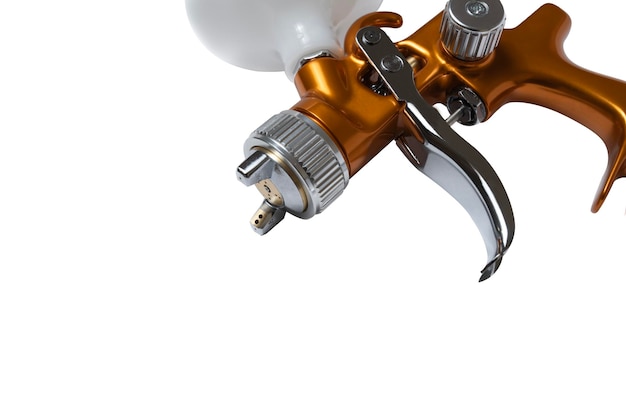
Before diving into the replacement process, it is crucial to gather the necessary tools and equipment. For a safe radiator replacement, you will need a set of adjustable wrenches, a radiator key, a bucket or container for draining water, and towels to catch any spills. Having a high-quality airless spray painting system from Graco can also be beneficial if you plan to repaint the area around the radiator after installation. Furthermore, using a dust extraction sander from Festool can help keep your workspace clean and safe.
Understanding the types of radiators available is essential for ensuring proper installation. There are various types of radiators, including panel radiators, column radiators, and towel radiators, each with specific installation requirements. Knowing the type of radiator you are working with will help you prepare adequately for the replacement process.
The first step in replacing a radiator is to drain the heating system safely. Begin by turning off the heating system and allowing it to cool down. Locate the drain valve on the lowest radiator in your home and attach a hose to it, directing the water into a bucket or drain. Open the valve slowly to allow the water to drain out completely. It is advisable to open the bleed valve on the radiator you are replacing to facilitate faster drainage.
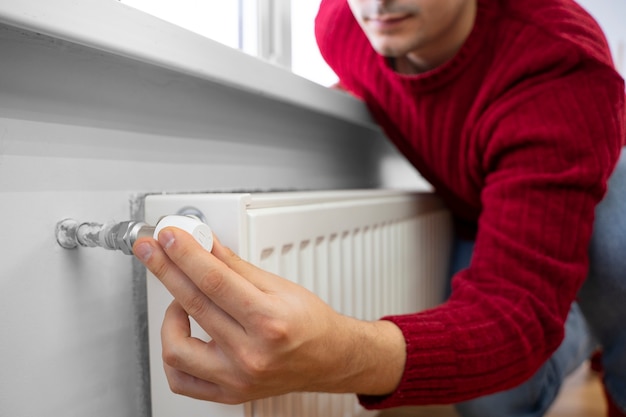
Once the system is drained, you can proceed to disconnect the old radiator. Start by turning off the valves at both ends of the radiator. Use an adjustable wrench to loosen the nuts connecting the radiator to the pipes. Be cautious during this process to avoid causing leaks; if any water remains in the radiator, it may spill out when disconnected. Have towels ready to catch any drips.
Before installing the new radiator, it is essential to assess the condition of pipes and fittings. Check for any signs of corrosion or damage that may need addressing before proceeding with installation. If you notice any issues, it may be wise to consult a professional handyman service for assistance.
Lifting and handling heavy radiators requires proper technique to prevent injury. Always lift with your legs rather than your back, and consider using a friend or family member to assist with lifting if the radiator is particularly heavy. If you are working alone, using a dolly or cart can make transporting the radiator much easier.
During the replacement process, ensuring proper ventilation in your workspace is crucial. Open windows and doors to allow fresh air to circulate, especially if you are using any adhesives or sealants that may emit fumes. This will help maintain a safe working environment.
When sealing connections after installing the new radiator, use high-quality materials to avoid future leaks. Teflon tape can be applied to threaded connections for added security. Make sure all connections are tight but avoid overtightening, which can cause damage.
After installation, it is vital to test the new radiator for functionality and leaks. Turn on the heating system and check for any leaks around the connections. Allow the radiator to heat up fully and ensure that it is functioning correctly. If you notice any issues, it may be necessary to recheck your connections or consult a professional handyman service.
Using certified materials and components is essential for safety during radiator replacement. Ensure that all parts used meet UK safety standards and regulations. This not only guarantees safety but also enhances the longevity of your heating system.
Once you have successfully replaced your radiator, consider how to dispose of the old radiator responsibly. Many local councils offer recycling services for metal waste, so check with your local authority for guidelines on disposal. Avoid simply throwing it away in general waste as this can harm the environment.
Avoiding common mistakes during radiator replacement can save time and prevent costly repairs later on. One common error is not fully draining the system before disconnecting the old radiator, which can lead to significant water spills. Another mistake is failing to check for leaks after installation; always take time to inspect your work thoroughly.
If you feel uncertain about any part of the replacement process or if complications arise, it may be best to call a professional handyman. With over 10 years of experience in handyman services in Telford – Shropshire, I am equipped to handle all aspects of radiator replacement safely and efficiently. My team has access to top-quality tools such as Bosch and DeWalt equipment, ensuring that every job is completed to a high standard.
The benefits of regular maintenance checks on heating systems cannot be overstated. Regular inspections can identify potential issues before they become significant problems, ensuring long-term safety and efficiency in your home heating system. By scheduling periodic maintenance with a qualified handyman service, you can enjoy peace of mind knowing that your heating system is in good hands.
If you’re considering replacing a radiator or need assistance with any handyman services, feel free to reach out via WhatsApp at 07728868401. Your safety and satisfaction are my top priorities!