Maintaining a wooden fence is essential for ensuring its longevity and functionality. Regular inspections play a crucial role in identifying early signs of damage, which can save homeowners from costly repairs down the line. By routinely checking for issues such as rot, warping, or insect infestations, you can address problems before they escalate. This proactive approach not only preserves the aesthetic appeal of your property but also enhances its overall value.
When it comes to wooden fencing, various types of wood are commonly used, each with its own maintenance needs. Pressure-treated pine is popular due to its affordability and resistance to decay, but it requires regular sealing to maintain its integrity. Cedar, on the other hand, is naturally resistant to rot and insects, yet it still benefits from periodic cleaning and treatment to keep its colour vibrant. Understanding the specific requirements of the wood used in your fence is vital for effective maintenance.
The impact of weather conditions on wooden fences cannot be overstated. Rain, snow, and extreme temperatures can lead to significant damage if not properly managed. To mitigate this damage, it’s essential to apply protective coatings that repel moisture and UV rays. Additionally, ensuring proper drainage around the fence can prevent water accumulation at the base, which is a common cause of rot. As a professional with over 10 years of experience in woodworking and carpentry, I utilise high-quality tools such as the Festool dust extraction sander to prepare surfaces before applying treatments, ensuring a smooth finish that enhances durability.
Cleaning wooden fences is another critical aspect of maintenance that can prolong their lifespan. Over time, dirt, algae, and mildew can accumulate on the surface, leading to deterioration. Using a pressure washer or a soft-bristle brush with a mild detergent can effectively remove these contaminants. It’s important to avoid harsh chemicals that could damage the wood. My approach often involves using a Bosch pressure washer for efficient cleaning while ensuring that the wood remains intact and undamaged.
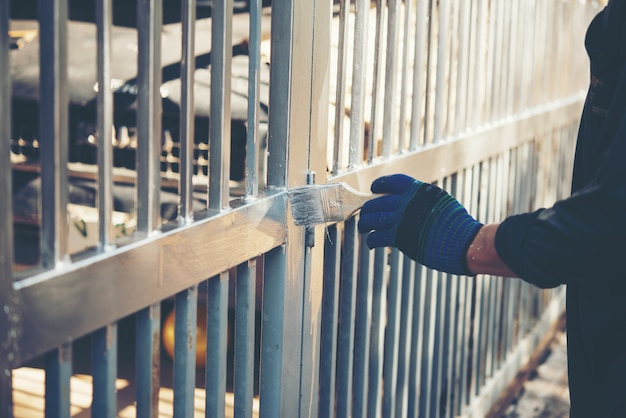
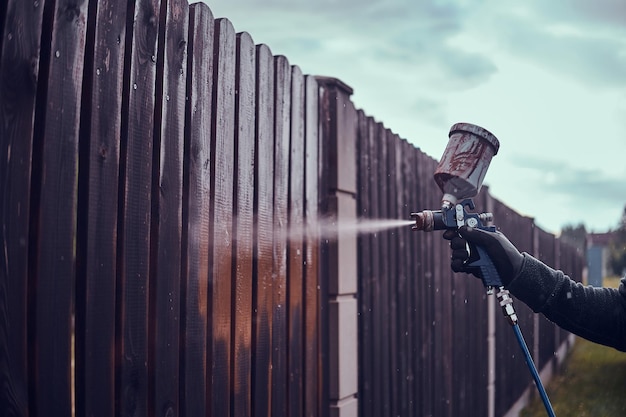
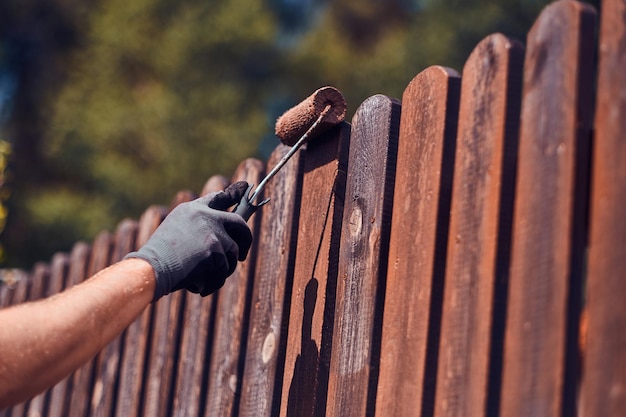
The role of protective coatings and treatments in preventing rot and decay is paramount. Applying a high-quality wood preservative or sealant creates a barrier against moisture and pests. Regularly reapplying these treatments, especially after cleaning, helps maintain the fence’s structural integrity. I recommend using products that are certified and tested for safety, aligning with my commitment to health and safety standards in all my projects.
When it comes to repairing damaged fence panels and posts, it’s essential to follow proper techniques to ensure lasting results. For instance, replacing a rotting post requires careful removal of the old post and proper installation of the new one, ensuring it is set in concrete for stability. My experience allows me to execute these repairs efficiently, utilising tools like the DeWalt cordless drill for precise fastening and assembly.
Proper installation techniques are equally significant for long-lasting fences. Ensuring that posts are set at the correct depth and spaced appropriately can prevent future issues. I always adhere to best practices during installation, which includes using quality materials and tools to guarantee that the fence withstands environmental stresses over time.
Understanding drainage and moisture control around wooden fences is crucial for preventing rot. Installing gravel or drainage pipes at the base of the fence can help divert water away from the wood. This simple yet effective measure can significantly extend the life of your fence. My approach often includes assessing the landscape and making necessary adjustments to ensure optimal drainage.
Maintaining the structural integrity of wooden gates is another important aspect of fence maintenance. Gates are often subjected to more wear and tear than stationary panels due to frequent use. Regularly checking hinges, latches, and the overall alignment of the gate can prevent sagging or misalignment issues. I recommend using high-quality hardware from trusted brands like Hilti to ensure durability and reliability.
The benefits of using high-quality materials and tools for fence maintenance cannot be overlooked. Investing in premium wood, fasteners, and protective coatings pays off in the long run by reducing the frequency of repairs and replacements. My commitment to using top-tier brands like JCB for tools ensures that every job is completed to the highest standard.
Safety precautions when working on or around wooden fences are paramount. Wearing appropriate personal protective equipment (PPE) such as gloves, goggles, and masks is essential to prevent injuries during maintenance tasks. Additionally, ensuring that tools are well-maintained and used correctly reduces the risk of accidents on-site.
Identifying and treating pest infestations in wooden fences is another critical maintenance task. Common pests such as termites or carpenter ants can cause significant damage if left unchecked. Regular inspections can help spot signs of infestation early on. If pests are detected, it’s advisable to consult with pest control professionals who can provide targeted treatments without compromising the integrity of the wood.
The advantages of professional maintenance services versus DIY approaches are clear. While DIY may seem cost-effective initially, professional services ensure that work is done correctly and safely, reducing the risk of future problems. With my NVQ Level 2 accreditation and over a decade of experience in woodworking and carpentry, I provide reliable services that prioritise health and safety while delivering exceptional results.
Seasonal maintenance tips are essential for preparing wooden fences for winter. Before the cold months set in, it’s wise to clean the fence thoroughly, apply protective coatings, and check for any repairs needed. This proactive approach helps prevent damage from freezing temperatures and snow accumulation.
Finally, adhering to health and safety regulations during fence repairs and maintenance is non-negotiable. Ensuring that all work complies with local regulations not only protects you but also contributes to a safer environment for everyone involved. My commitment to health and safety is reflected in every project I undertake, utilising professional equipment and certified materials to guarantee optimal outcomes.
If you’re looking for expert assistance with your wooden fence maintenance or any woodworking needs, don’t hesitate to reach out! You can message me directly on WhatsApp at 07728868401. Let’s ensure your wooden fences remain beautiful and functional for years to come!