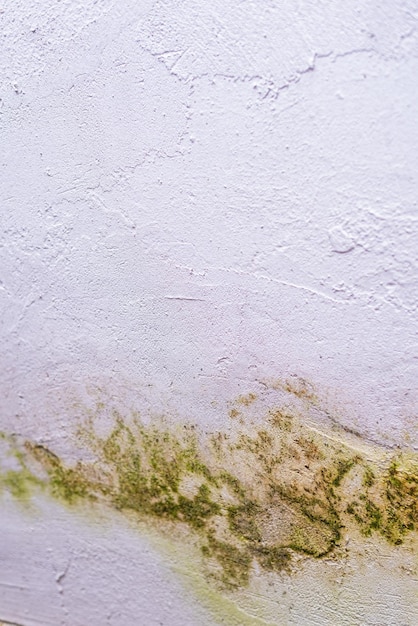
Understanding damp is crucial for homeowners, as it can lead to significant structural damage and health issues if not addressed promptly. Dampness in homes can be classified into three main types: rising damp, penetrating damp, and condensation. Rising damp occurs when moisture from the ground rises through the walls of a property, often due to inadequate damp proofing. Penetrating damp, on the other hand, is caused by water ingress from external sources, such as leaks in roofs or walls. Lastly, condensation is typically a result of poor ventilation and high humidity levels within the home.
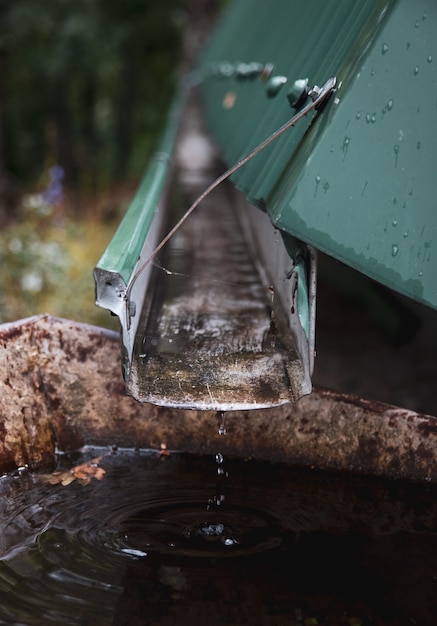
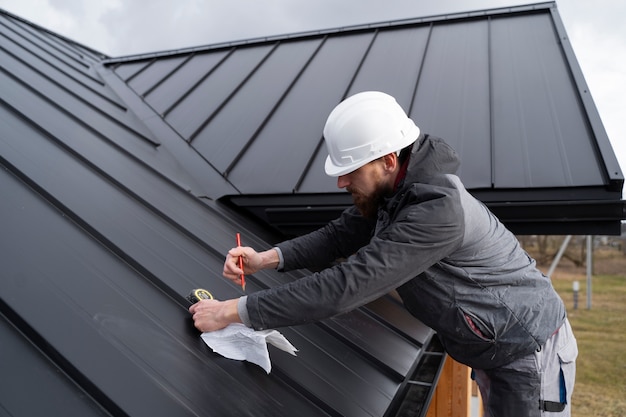
Identifying the common sources of damp in homes is essential for effective prevention and treatment. Leaks from roofs, walls, and plumbing systems are among the most frequent culprits. For instance, a damaged roof can allow rainwater to seep into the structure, leading to penetrating damp. Similarly, faulty plumbing can result in hidden leaks that contribute to rising damp. Regular property maintenance is vital to ensure that these issues are identified and rectified before they escalate.
The role of poor ventilation cannot be overlooked when discussing condensation. Inadequate airflow in a home can trap moisture, leading to an increase in humidity levels. This is particularly common in areas such as kitchens and bathrooms, where steam from cooking or bathing can condense on cold surfaces. Implementing proper ventilation strategies is essential to combat this issue and maintain a healthy living environment.
Weather conditions also play a significant role in influencing dampness levels in homes. Prolonged periods of rain or high humidity can exacerbate existing damp issues or create new ones. Homeowners should be vigilant during adverse weather conditions and take proactive measures to protect their properties from potential water ingress.
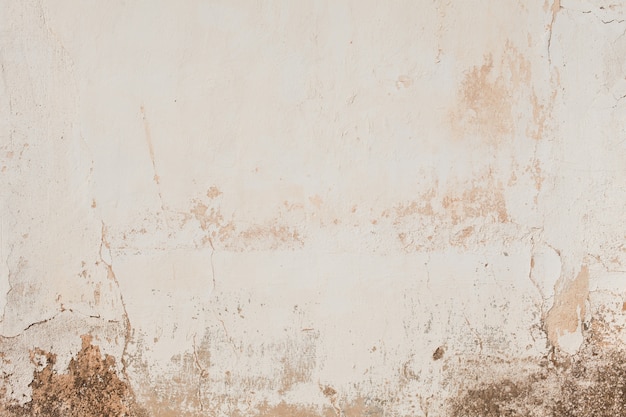
Recognising the signs of damp is crucial for early intervention. Common indicators include stains on walls or ceilings, the presence of mould, and musty smells. If you notice any of these signs, it is essential to act quickly to prevent further damage and health risks associated with damp and mould exposure.
The importance of regular property maintenance cannot be overstated when it comes to preventing damp issues. Regular inspections can help identify potential problems before they become serious. As a professional with over 10 years of experience in property maintenance, I understand the significance of conducting thorough checks on roofs, plumbing systems, and ventilation. Using professional-grade tools such as my Festool dust extraction sander ensures that any repairs are carried out efficiently and effectively.
Health risks associated with damp and mould exposure are well-documented. Prolonged exposure can lead to respiratory issues, allergies, and other health complications. Therefore, maintaining a dry home environment is not just about protecting your property; it is also about safeguarding your health and well-being.
For those dealing with rising damp, effective solutions include chemical damp proofing and physical barriers. Chemical treatments involve applying a damp-proofing solution to the affected areas, while physical barriers may include installing a new damp-proof course. My expertise in property maintenance allows me to assess the best approach for each individual case, ensuring that the solution is tailored to the specific needs of the property.
Addressing penetrating damp requires targeted repair techniques for roofs and walls. This may involve repairing or replacing damaged roofing materials or sealing cracks in walls to prevent water ingress. My experience with various construction materials enables me to provide effective solutions that stand the test of time.
Improving home ventilation is another critical strategy for reducing condensation. Simple measures such as installing extractor fans in kitchens and bathrooms or ensuring that windows can be opened regularly can make a significant difference in maintaining optimal humidity levels within the home.
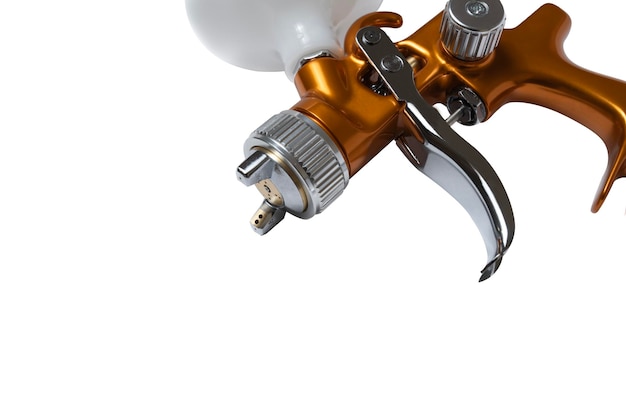
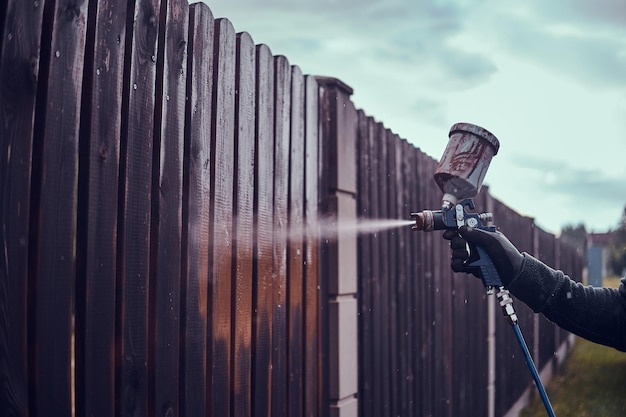
The significance of using professional-grade materials and equipment in damp repairs cannot be overlooked. I utilise high-quality products that are certified by UK authorities to ensure that all work meets safety standards. For instance, my Graco airless spray system allows for a smooth and even application of protective coatings, ensuring long-lasting results.
Conducting a thorough property inspection for damp issues involves checking for visible signs of moisture, assessing the condition of roofing and plumbing systems, and evaluating ventilation effectiveness. My NVQ Level 2 accreditation ensures that I have the knowledge and skills necessary to carry out these inspections comprehensively.
The benefits of regular checks and maintenance for plumbing systems are clear; they help prevent leaks that can lead to rising damp. By routinely inspecting pipes and fixtures, I can identify potential issues before they escalate into costly repairs.
Collaborating with specialists for comprehensive damp treatment solutions is often necessary for more severe cases. My access to a network of professionals allows me to provide clients with a holistic approach to damp management, ensuring that all aspects of the problem are addressed effectively.
The long-term health and safety benefits of maintaining a dry home environment are undeniable. By investing in regular property maintenance and addressing damp issues promptly, homeowners can protect their properties and their health. If you suspect that your home may be suffering from damp issues or if you would like to schedule a property inspection, please feel free to reach out via WhatsApp at 07728868401. Together, we can ensure your home remains a safe and healthy place to live.