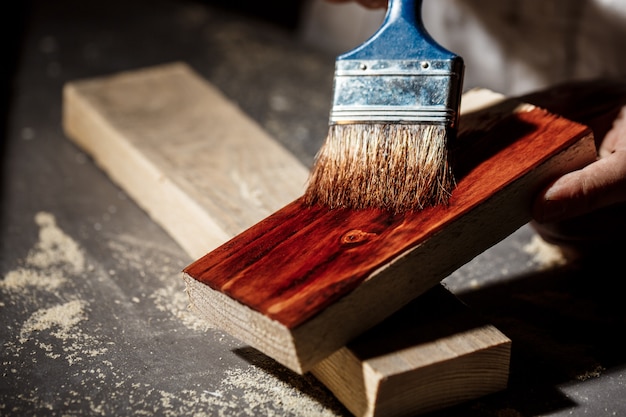
Achieving a professional finish on painted wood is a meticulous process that requires attention to detail and the right techniques. As a seasoned professional with over 10 years of experience in interior design and woodworking, I understand the importance of delivering flawless results. One of the most critical aspects of this process is surface preparation. Properly preparing the wood surface ensures that the paint adheres well and provides a smooth, even finish. This involves cleaning the surface, removing any old paint or finishes, and filling in any imperfections. Using high-quality tools such as the Festool dust extraction sander allows me to achieve a perfectly smooth surface, free from dust and debris.
Choosing the right type of wood for painting is equally important. Different woods have varying levels of porosity and grain patterns, which can affect how the paint adheres and appears once applied. For instance, softer woods like pine may absorb paint differently than hardwoods like oak. Understanding these differences helps in selecting the best wood for each project, ensuring a long-lasting and aesthetically pleasing finish.
When it comes to selecting high-quality paints and finishes, durability should be a top priority. I always opt for paints that are specifically designed for wood surfaces, as they provide better adhesion and resistance to wear and tear. Brands like Dulux and Farrow & Ball offer excellent options that not only enhance the appearance of the wood but also protect it from environmental factors. The right finish can make all the difference in achieving a professional look.
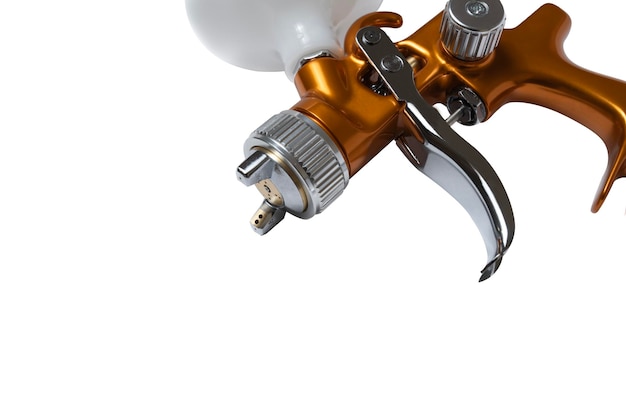
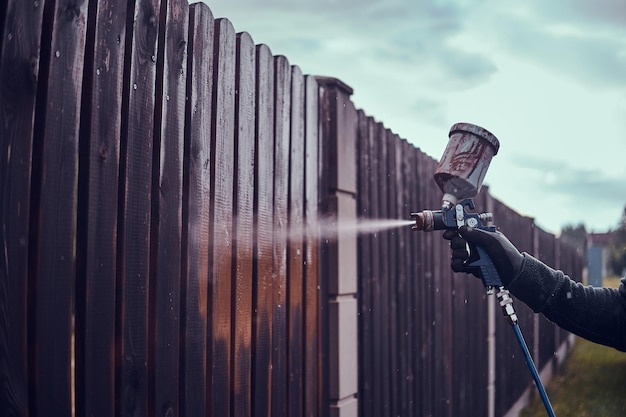
The benefits of using professional airless spray equipment cannot be overstated. My Graco airless spray system allows for an even application of paint, reducing the risk of brush marks and ensuring a smooth finish. This method is particularly effective for larger surfaces, as it saves time while delivering superior results. The precision of airless spraying means that I can cover intricate details without compromising on quality.
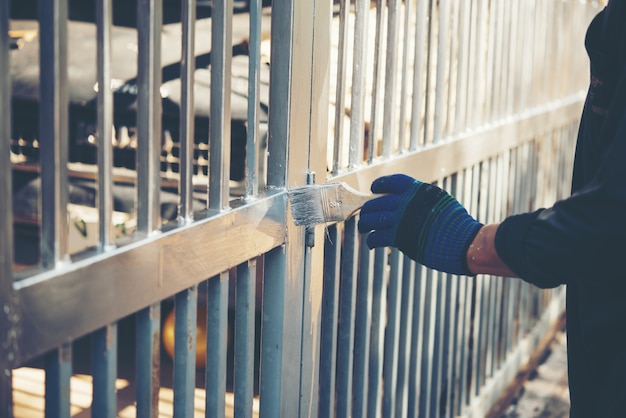
To achieve an even coat without brush marks, I employ specific techniques during application. This includes maintaining a consistent distance from the surface while spraying and using overlapping strokes to ensure complete coverage. Additionally, understanding drying times and conditions is crucial. Each type of paint has its own drying time, and factors such as humidity and temperature can significantly impact this process. I always check the manufacturer’s guidelines to ensure optimal conditions for drying.
The role of primers in enhancing paint adhesion cannot be overlooked. Priming the wood before painting creates a barrier that improves the bond between the wood and the paint, resulting in a more durable finish. I use high-quality primers that are compatible with the chosen paint to ensure the best results.
Before painting, it is essential to sanding and smoothing wood surfaces. This step not only prepares the surface for painting but also helps to eliminate any rough spots or imperfections. I typically use my Festool sander for this task, as it provides excellent dust extraction, keeping the workspace clean and safe.
Health and safety measures are paramount when working with paints and solvents. I always ensure proper ventilation in my workspace and use masks to protect against inhaling harmful fumes. Additionally, I adhere to all safety regulations regarding the handling and disposal of materials. This commitment to health and safety ensures that both I and my clients remain safe throughout the project.
The significance of using protective gear during woodworking projects cannot be stressed enough. I always wear gloves, goggles, and appropriate clothing to protect myself from potential hazards. This practice not only safeguards my health but also sets a standard for professionalism in my work.
Maintaining a clean workspace is essential to prevent contamination during painting. I make it a point to keep my tools organized and my work area tidy. This not only enhances efficiency but also reduces the risk of accidents or mistakes during the painting process.
Environmental factors can significantly impact paint application and drying times. For instance, high humidity levels can prolong drying times, while low temperatures can cause paint to thicken or dry unevenly. Being aware of these factors allows me to adjust my approach accordingly, ensuring that each project is completed to the highest standard.
When applying multiple coats of paint, following best practices is crucial. I always allow sufficient drying time between coats and lightly sand between applications to promote adhesion. This technique results in a smoother finish and enhances the overall durability of the painted surface.
Troubleshooting common issues in painted wood finishes is part of my expertise. Whether it’s dealing with bubbling paint or uneven coverage, I have developed strategies to address these problems effectively. My experience allows me to identify potential issues early on and take corrective action before they become significant concerns.
The importance of regular maintenance for painted wood surfaces cannot be overlooked. To prolong their lifespan, I advise clients on proper care techniques, such as cleaning with gentle detergents and avoiding harsh chemicals that could damage the finish. Regular inspections can also help identify any areas that may need touch-ups or repairs.
In conclusion, achieving a professional finish on painted wood requires careful planning, quality materials, and adherence to safety protocols. With over a decade of experience in woodworking and painting, I am committed to delivering exceptional results for every project. If you’re looking for expert assistance with your woodworking needs or want to achieve that perfect painted finish, feel free to reach out via WhatsApp at 07728868401. Let’s transform your space together!