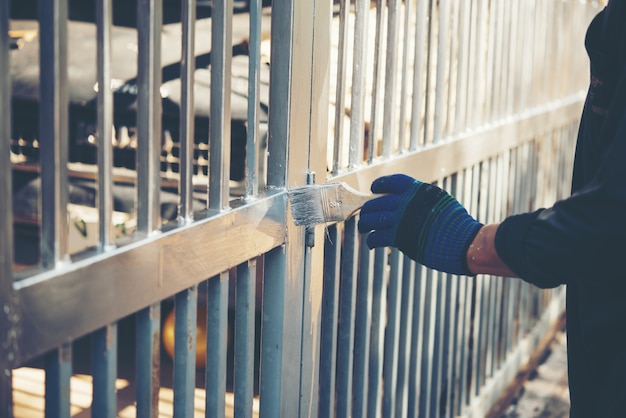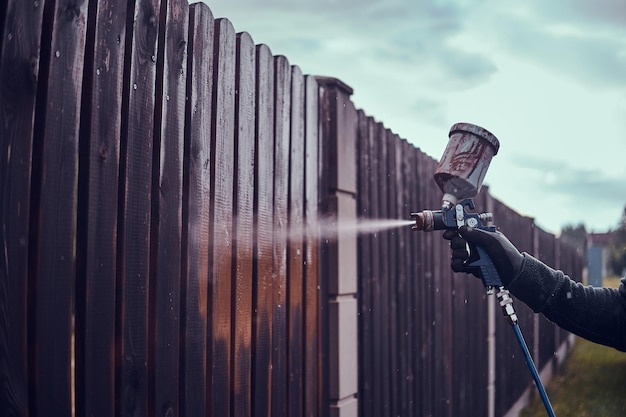
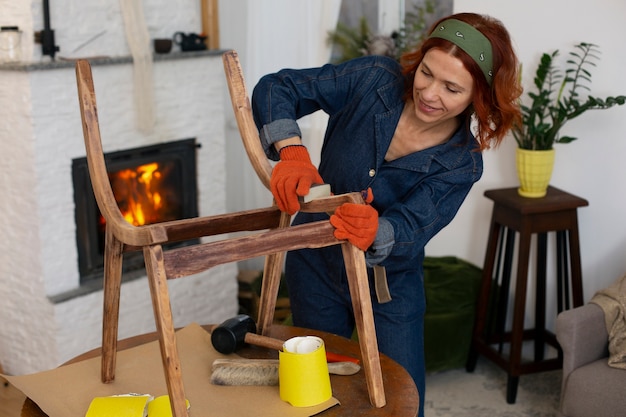
When it comes to maintaining the beauty and longevity of painted wooden furniture, essential aftercare tips play a crucial role. As a professional with over 10 years of experience in interior decoration and handyman services in Telford – Shropshire, I understand the importance of using non-toxic, eco-friendly paints for health and safety. These paints not only provide a stunning finish but also ensure that your home remains a safe environment for you and your family. By choosing certified materials, I guarantee that the products I use are 100% verified by UK authorities, ensuring peace of mind for my clients.
One of the most critical aspects of caring for painted wooden furniture is adhering to the recommended drying times. After a fresh coat of paint, it is essential to allow adequate time for the finish to cure properly. Typically, I advise clients to wait at least 24 hours before using the furniture to prevent any damage. This waiting period allows the paint to harden and bond effectively with the wood, reducing the risk of scratches or smudges.
Cleaning painted surfaces requires a gentle touch to avoid wear. I recommend using a soft, damp cloth with mild soap for routine cleaning. Avoid abrasive cleaners or scrubbing pads, as these can damage the finish. In my work, I often utilise professional-grade tools such as the Festool dust extraction sander to ensure that surfaces are prepped correctly before painting, which also aids in easier maintenance later on.
Protecting painted furniture from direct sunlight and heat sources is vital for preserving its appearance. Ultraviolet rays can cause fading and discolouration over time. I suggest positioning furniture away from windows or using sheer curtains to diffuse sunlight. Additionally, keeping furniture away from radiators or other heat sources will help maintain the integrity of the paint finish.
The role of humidity in maintaining painted finishes cannot be overstated. High humidity levels can lead to peeling and bubbling of paint. It is advisable to keep indoor humidity levels between 30-50%. Using a dehumidifier in particularly damp areas can help maintain these levels, ensuring that your painted furniture remains in pristine condition.
Regular inspections are essential for identifying early signs of wear or damage. I recommend checking your painted furniture every few months for any chips, scratches, or signs of peeling. Early detection allows for timely repairs, which can save you from more extensive restoration work later on. When I perform maintenance checks, I often use my expertise to assess the condition of the paint and recommend necessary touch-ups.
To enhance durability and longevity, consider applying protective coatings. Products such as polyurethane or wax can provide an additional layer of protection against scratches and stains. In my painting and decorating services, I often apply these coatings after completing a project to ensure that the finish remains intact for years to come.
Safe storage solutions are also crucial for painted furniture. When storing items, use soft padding or blankets to avoid scratches and dents. If you need to stack furniture, ensure that they are separated by protective layers to prevent direct contact that could lead to damage.
The importance of using coasters and placemats cannot be overlooked when it comes to protecting surfaces from heat and moisture. These simple additions can prevent unsightly rings and stains on your painted furniture. I always advise my clients to incorporate these protective measures into their daily routines.
Handling minor repairs and touch-ups safely is another aspect of aftercare. For small chips or scratches, I recommend using a matching paint touch-up pen or a small brush with leftover paint from the original job. This method ensures that repairs blend seamlessly with the existing finish. My experience with professional-grade tools allows me to execute these touch-ups with precision, ensuring a flawless result.
Avoiding harsh chemicals in cleaning products is essential for maintaining the integrity of painted surfaces. Many commercial cleaners contain abrasive ingredients that can strip away paint or cause discolouration. Instead, opt for natural cleaning solutions that are gentle yet effective. In my practice, I always emphasise the use of safe cleaning products that align with health and safety standards.
When moving painted furniture, it is crucial to follow guidelines to prevent chipping or scratching. Always lift furniture rather than dragging it across the floor, and use furniture sliders if necessary. This approach not only protects the paint but also prevents damage to your flooring. My team and I are trained in safe handling techniques to ensure that all pieces are moved without incident during our projects.
The benefits of using felt pads under furniture legs cannot be overstated. These pads help prevent scratches on floors while also providing stability for your painted furniture. I often recommend this simple addition to clients during my property maintenance visits.
Seasonal maintenance tips can keep your painted furniture looking fresh throughout the year. Regular dusting, combined with occasional deep cleaning and inspections, will help maintain its appearance. Additionally, consider reapplying protective coatings annually to ensure ongoing protection against wear and tear.
Finally, educating clients on the importance of professional maintenance for long-lasting results is paramount. As an accredited NVQ Level 2 professional, I understand the intricacies involved in maintaining painted finishes. Regular professional assessments can identify potential issues before they escalate into costly repairs. If you’re interested in learning more about how I can assist you with your painted wooden furniture or any other painting and decorating needs, feel free to reach out via WhatsApp at 07728868401.
By following these essential aftercare tips, you can ensure that your painted wooden furniture remains beautiful and functional for years to come. Remember that investing in quality care today will pay off in the long run.