When embarking on a home painting project, protecting your floors and furniture is of utmost importance. Not only does it prevent damage to your valuable possessions, but it also ensures a smoother and more efficient painting process. As a professional with over 10 years of experience in interior decoration and painting, I have seen firsthand the chaos that can ensue when proper precautions are not taken. By investing time in safeguarding your environment, you can avoid costly repairs and maintain the integrity of your home.
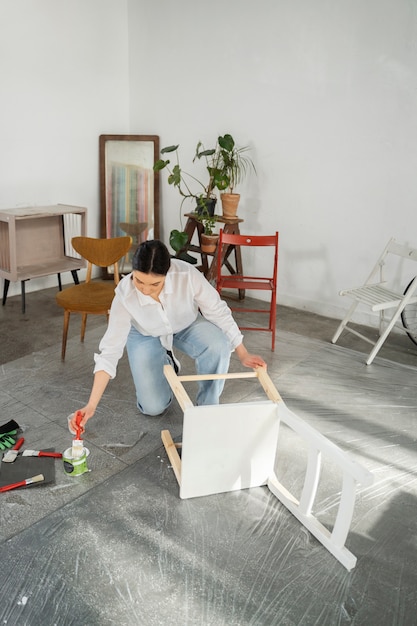
Choosing the right protective materials is essential for any painting project. Drop cloths, plastic sheeting, and painter’s tape are fundamental tools in this regard. Drop cloths come in various materials, including canvas and plastic, and should be selected based on the type of paint being used and the area being covered. Plastic sheeting is particularly useful for larger areas or when working with spray paint, as it can easily cover furniture and floors alike. Painter’s tape is invaluable for creating clean lines and protecting edges, ensuring that paint does not bleed onto surfaces that should remain untouched.
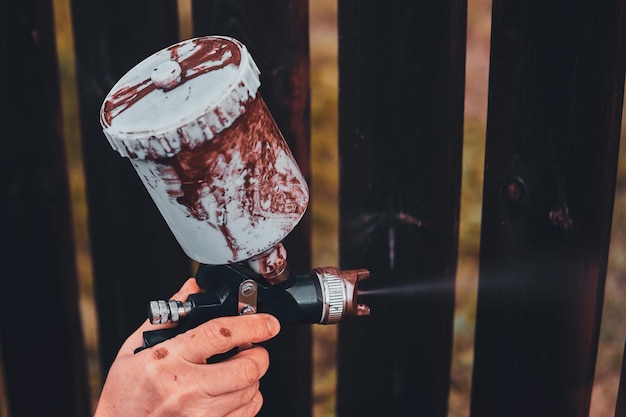
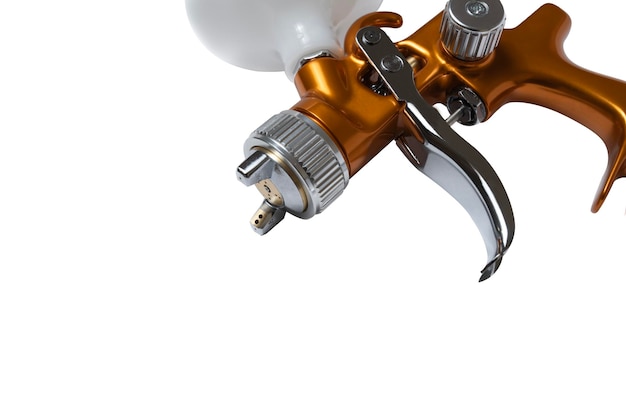
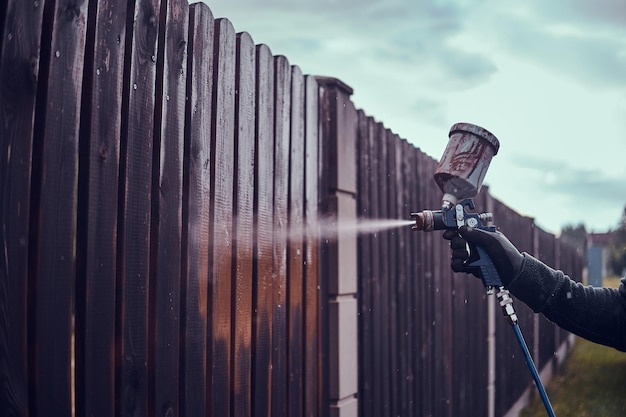
Preparing the workspace is another critical step in creating a safe painting environment. Before starting any project, I always ensure that the area is well-organised and free from clutter. This includes moving any unnecessary items out of the way and ensuring that all tools and materials are easily accessible. By doing so, I minimise the risk of accidents and create a more efficient workflow. Additionally, I make sure to use my professional-grade airless spray equipment from Graco, which allows for precise application while reducing overspray and mess.
Ventilation plays a crucial role in maintaining health and safety during painting projects. Proper airflow helps to disperse harmful fumes and ensures that the space remains comfortable to work in. I always recommend opening windows and using fans to promote circulation. In some cases, I may even use air purifiers to further enhance air quality. This is especially important when working with paints that contain volatile organic compounds (VOCs), which can pose health risks if inhaled in large quantities.
When it comes to moving furniture, best practices should be followed to prevent damage. I advise clients to remove as much furniture as possible from the room being painted. For larger items that cannot be moved, I suggest covering them with drop cloths or plastic sheeting to protect them from paint splatters. Additionally, using furniture sliders can make it easier to reposition heavy items without causing scratches or dents on the floor.
Securing and covering furniture effectively is vital for a successful painting project. I often use a combination of drop cloths and painter’s tape to ensure that all surfaces are adequately protected. For instance, when covering a sofa, I will drape a drop cloth over it and secure it in place with painter’s tape around the edges. This prevents any accidental movement during the painting process and keeps the furniture safe from paint drips.
The significance of using non-toxic and low-VOC paints cannot be overstated when considering health safety. These types of paints are less harmful to both the environment and the individuals working in the space. As a professional painter, I always opt for high-quality paints that meet UK safety standards, ensuring that my clients can enjoy their newly painted spaces without worrying about harmful chemicals.
Different flooring types require specific protection methods. For hardwood floors, I recommend using canvas drop cloths, which provide excellent coverage while preventing scratches. For carpets, plastic sheeting is ideal as it can be easily rolled out and secured with painter’s tape. When dealing with tiles, I suggest using a combination of drop cloths and cardboard to protect against paint spills and scratches.
The benefits of using professional-grade equipment for a cleaner job are significant. My Graco airless spray system allows for an even application of paint, reducing the likelihood of drips and overspray. Additionally, my Festool dust extraction sander ensures that surfaces are prepped correctly without creating excessive dust, which can settle on floors and furniture.
In the event of spills or accidents, having a plan in place is essential for quick and safe handling. I always keep absorbent materials like rags or paper towels on hand to address any unexpected messes immediately. If paint does spill on a surface, acting quickly can often prevent permanent damage.
The importance of wearing appropriate personal protective equipment (PPE) cannot be overlooked during painting projects. I always wear gloves, masks, and goggles to protect myself from harmful substances while working. This not only ensures my safety but also sets a good example for clients who may be present during the project.
Understanding the risks associated with paint fumes is crucial for maintaining a safe working environment. To mitigate these risks, I ensure that my workspace is well-ventilated and that I take regular breaks outside to breathe fresh air. This practice helps to reduce exposure to potentially harmful fumes while keeping me alert and focused on the task at hand.
The value of hiring a professional service for complex projects cannot be overstated. With over 10 years of experience in painting and decorating, I have developed a keen understanding of how to navigate challenges effectively while prioritising health and safety. My team has access to top-of-the-line equipment and materials, ensuring that every project is completed to the highest standard.
After completing a painting project, regular maintenance tips can help keep floors and furniture in good condition. I advise clients to avoid dragging furniture across floors and to use coasters under heavy items to prevent indentations. Additionally, regular cleaning can help maintain the appearance of both painted surfaces and flooring.
Finally, showcasing successful projects through case studies or testimonials can provide potential clients with confidence in my services. Many clients have expressed satisfaction with my attention to detail and commitment to protecting their property during painting projects. By sharing these experiences, I aim to demonstrate the value of hiring a professional who prioritises health and safety.
If you’re considering a painting project and want to ensure your floors and furniture are protected, feel free to reach out via WhatsApp at 07728868401 for expert advice and assistance!