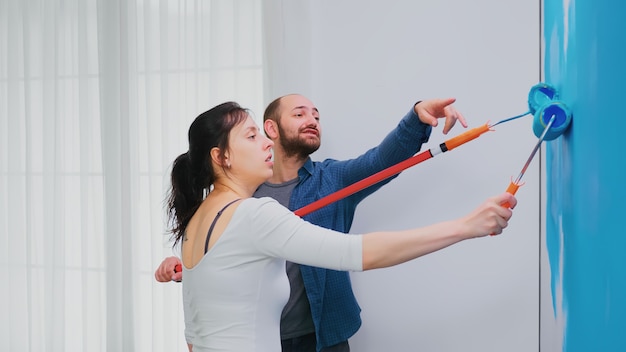
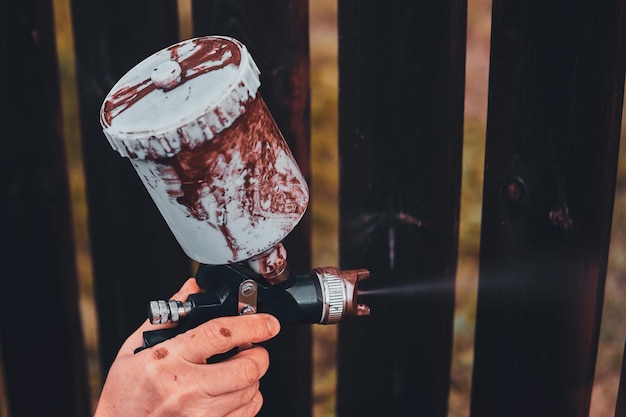
When it comes to painting and decorating, two primary methods dominate the industry: spray painting and traditional painting techniques. Each method has its own set of advantages and disadvantages, making it essential for homeowners and professionals alike to understand the nuances of both. Spray painting, particularly with professional equipment like the Graco airless spray system, offers a modern approach that contrasts sharply with traditional brush and roller techniques. This article delves into the pros and cons of these methods, providing insights that can help you make an informed decision for your next project.
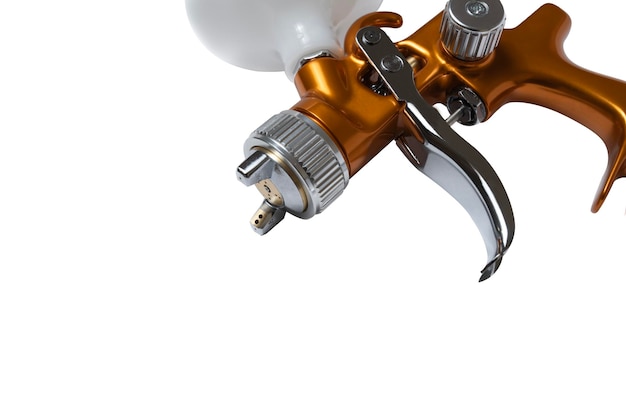
One of the most significant advantages of spray painting is its efficiency and speed. The airless spray system allows for rapid application, covering large areas in a fraction of the time it would take using traditional brushes or rollers. For instance, when I undertake a project, I can complete a room in a matter of hours rather than days, which is particularly beneficial for clients looking to minimise disruption in their homes. Traditional methods, while effective, often require multiple coats and extensive drying times, making them less suitable for urgent projects.
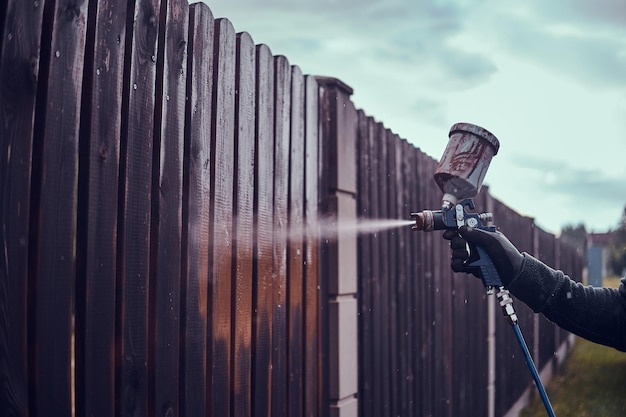
In terms of finish quality, spray painting excels at achieving a smoother surface. The fine mist produced by the Graco airless spray ensures an even coat without the brush strokes or roller marks that can sometimes mar traditional finishes. This is especially important for surfaces that require a flawless appearance, such as cabinetry or feature walls. My experience in painting and decorating has shown that clients appreciate the sleek look that spray painting provides, often resulting in higher satisfaction rates.
However, it is crucial to consider health and safety when choosing a painting method. Spray painting can produce fine particles and vapours that may be harmful if inhaled. Therefore, I always prioritise safety by using professional protective gear, including respirators and goggles, to safeguard both myself and my clients. Traditional painting methods also have their risks, such as exposure to paint fumes and the potential for accidents with ladders or scaffolding. Ensuring a safe working environment is paramount in all my projects.
The use of professional equipment is another area where spray painting shines. My Festool dust extraction sander not only prepares surfaces effectively but also minimises dust during the process, contributing to a cleaner work environment. This level of professionalism extends to all my tools, which are sourced from top brands like Bosch and DeWalt. In contrast, traditional methods often rely on basic brushes and rollers, which may not provide the same level of efficiency or finish quality.
Environmental considerations also play a role in the choice between these two methods. Spray painting can produce higher levels of volatile organic compounds (VOCs), which are harmful to both health and the environment. However, I ensure that I use 100% verified and certified materials that comply with UK regulations, thus mitigating some of these concerns. Traditional paints may have lower VOC emissions but can still pose risks if not handled properly.
When analysing costs, it’s essential to weigh the initial investment against long-term savings. While spray painting may require a higher upfront cost due to the purchase or rental of professional equipment, the time saved can lead to significant financial benefits in the long run. Clients often find that the durability of finishes achieved through spray painting reduces the need for frequent repainting, ultimately saving money over time.
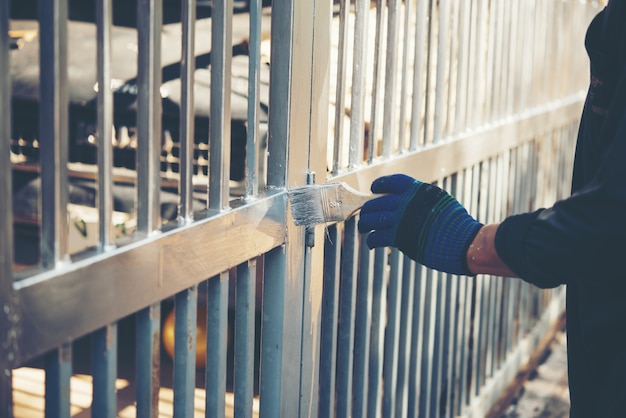
The versatility of spray painting is another compelling reason to consider this method. It can be used on various surfaces and materials, including wood, metal, and even plastic. My experience in woodworking and carpentry allows me to apply spray paint effectively on furniture and outdoor structures like fences and gazebos. Traditional methods may struggle with certain materials or require specific types of paint, limiting their applicability.
Preparation time is another critical factor when comparing these methods. Spray painting typically requires less preparation than traditional methods, which often involve extensive taping and priming. With my professional approach, I can efficiently prepare surfaces using my Festool sander, allowing for a quicker transition to the actual painting process.
Weather conditions can significantly impact traditional painting projects. Rain or high humidity can delay drying times and affect adhesion, leading to unsatisfactory results. In contrast, spray painting is less susceptible to these environmental factors when performed indoors or under controlled conditions. This flexibility allows me to schedule projects more effectively without worrying about weather-related delays.
The skill level required for each method also varies considerably. Spray painting demands a certain level of training and expertise to achieve optimal results. My accreditation as NVQ Level 2 ensures that I possess the necessary skills to handle complex tasks safely and efficiently. Traditional painting methods may seem more straightforward but still require a degree of finesse to master.
Maintenance and durability are crucial considerations when choosing a painting method. Spray-painted finishes tend to be more resilient against wear and tear compared to those achieved through traditional methods. Clients often report higher satisfaction with the longevity of spray-painted surfaces, which can withstand daily use without showing signs of damage.
Customer feedback plays a vital role in understanding the effectiveness of each technique. Many clients express their delight with the results achieved through spray painting, noting the smooth finish and quick turnaround time. Case studies from previous projects highlight successful applications of spray painting in various settings, reinforcing its reputation as a reliable choice for homeowners.
In conclusion, choosing between spray painting and traditional methods ultimately depends on your specific needs and circumstances. For those seeking efficiency, quality finishes, and versatility across different surfaces, spray painting emerges as the superior option. However, traditional methods still hold value for certain applications where precision and control are paramount. If you’re considering a painting project and want to explore the benefits of professional spray painting services, feel free to reach out via WhatsApp at 07728868401 for more information.