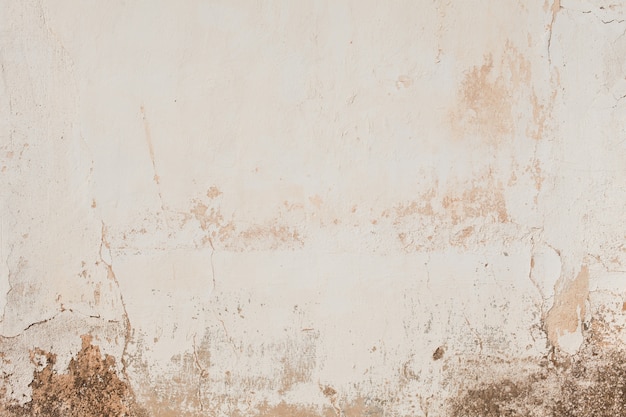
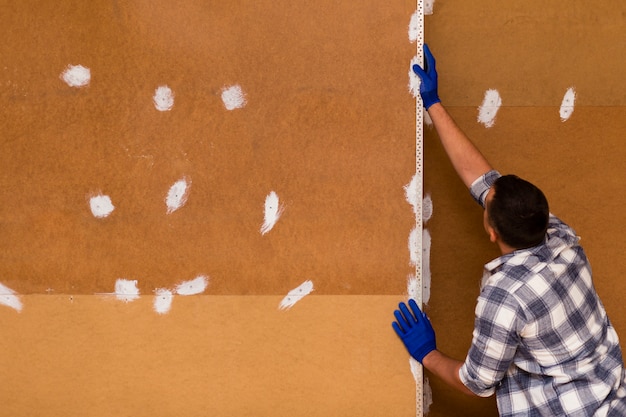
When it comes to wallpapering, preparation is key. Before diving into the exciting world of patterns and textures, it’s essential to assess the condition of the walls. This initial step can save you time and frustration later on. Walls that are cracked, peeling, or damp will not provide a suitable surface for wallpaper adhesion. By thoroughly examining the walls, you can identify any issues that need addressing before applying your chosen wallpaper.
To prepare your walls effectively, you’ll need a few essential tools and materials. A good quality scraper, such as the Bosch wall scraper, is vital for removing old wallpaper or loose paint. Additionally, a sanding block or the Festool dust extraction sander can help smooth out any rough patches. You’ll also require filler for repairing holes and cracks, a primer suitable for your wall type, and cleaning supplies like sponges and detergent. Having these tools at hand will streamline the preparation process.
Cleaning the walls is a crucial step in ensuring a successful wallpaper application. Dust and grease can significantly hinder wallpaper adhesion. Start by wiping down the walls with a damp sponge and a mild detergent solution. This will remove any surface dirt and oils that may have accumulated over time. For stubborn stains, consider using a stronger cleaning solution, but always ensure that the walls are rinsed thoroughly afterwards to avoid residue.
Once the walls are clean, it’s time to address any imperfections. Repairing cracks and holes is essential for achieving a smooth surface. Use a high-quality filler to patch up any damage, allowing it to dry completely before sanding it down to create an even finish. The Festool sander is particularly effective here, as it minimizes dust and provides a smooth surface ready for wallpapering.
The role of priming cannot be overstated when it comes to wallpaper adhesion. A good primer creates a barrier between the wall and the wallpaper, ensuring that the adhesive bonds effectively. It also helps to seal any porous surfaces, preventing moisture from seeping through. This is especially important in areas prone to humidity, such as kitchens and bathrooms.
Choosing the right primer is equally important. Different wall types may require specific primers for optimal results. For instance, if you’re working with new drywall, a drywall primer is ideal. On the other hand, if you’re dealing with previously painted surfaces, an all-purpose primer will suffice. Always check the manufacturer’s recommendations to ensure compatibility with your chosen wallpaper.
During the preparation and application process, ensuring proper ventilation is crucial. Open windows and doors to allow fresh air to circulate, which helps in drying time and reduces the concentration of any fumes from adhesives or primers. If working in a confined space, consider using fans to improve airflow.
Safety should always be a priority when working at heights. When using ladders or scaffolding, adhere to strict safety measures. Ensure that ladders are stable and positioned on flat ground. If using scaffolding, follow all safety guidelines provided by the manufacturer. It’s also wise to wear appropriate safety gear, such as non-slip shoes and a hard hat if necessary.
Protecting your surroundings is another vital aspect of preparation. Before starting any wallpapering project, take the time to protect floors and furniture from potential damage. Lay down drop cloths or plastic sheeting to catch any debris or adhesive spills. Move furniture away from the walls or cover it with protective sheets to prevent scratches or stains.
Understanding different wallpaper types is essential for successful application. Each type has its own requirements regarding adhesion and installation techniques. For example, vinyl wallpapers are more durable and easier to clean but may require specific adhesives. On the other hand, fabric wallpapers offer a luxurious feel but may need additional care during installation.
The significance of measuring and cutting wallpaper accurately cannot be overlooked. Take precise measurements of your walls before cutting your wallpaper to size. This ensures that you have enough material without excessive waste. Use a sharp utility knife for clean cuts, and always double-check your measurements before making any cuts.
Aligning patterns and seams correctly is another critical aspect of wallpapering. If your chosen wallpaper has a pattern, take extra care to match it at the seams for a seamless look. This may require additional time during installation but will result in a professional finish that enhances the overall aesthetic of your space.
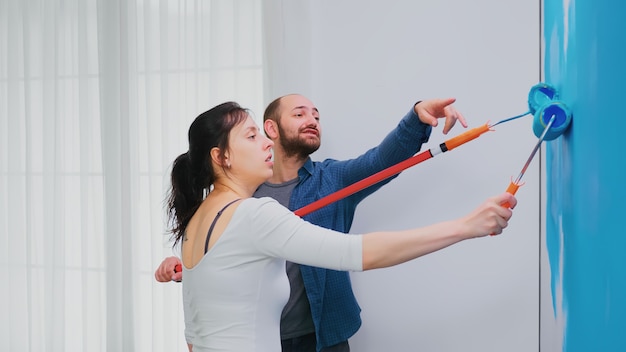
The benefits of using professional-grade tools for wallpapering cannot be overstated. Tools like the Graco airless spray system can provide an even application of adhesive when needed, while high-quality brushes and rollers ensure that every inch of the wall is covered adequately. Investing in these tools not only improves efficiency but also enhances the final result.
Health considerations are increasingly important in today’s world. Opting for low-VOC or eco-friendly wallpapers can significantly reduce indoor air pollution and contribute to a healthier living environment. Many modern wallpapers are designed with sustainability in mind, offering beautiful designs without compromising on health.
Before applying wallpaper, conduct final checks to ensure optimal results. Inspect your prepared walls one last time for any missed spots or imperfections. Ensure that all repairs are dry and smooth, and that the primer has been applied evenly across the surface. Taking these final steps will help guarantee that your wallpaper adheres properly and looks stunning once installed.
If you’re looking for professional assistance with your wallpapering project or any other painting and decorating needs, don’t hesitate to reach out! With over 10 years of experience in interior design and decoration, I am equipped with professional tools like my Graco airless spray system and Festool dust extraction sander to ensure top-notch results while prioritising health and safety standards. Contact me via WhatsApp at 07728868401 for a consultation today!