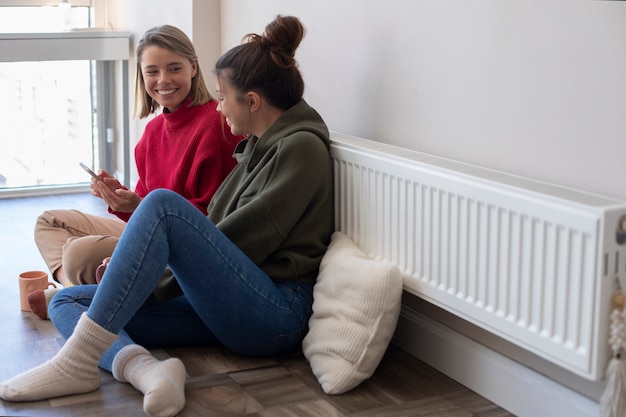
Installing energy-efficient radiators is a crucial step towards enhancing the heating system of your home while also contributing to a more sustainable environment. Understanding the benefits of energy-efficient radiators for home heating is essential. These radiators not only provide effective warmth but also help reduce energy consumption, leading to lower utility bills. By using advanced technology, energy-efficient radiators can heat up faster and maintain a consistent temperature, ensuring comfort throughout your living space.
However, the importance of proper installation for optimal performance and safety cannot be overstated. A poorly installed radiator can lead to inefficiencies, increased energy costs, and even safety hazards such as leaks or overheating. It is vital to ensure that the installation process adheres to all relevant health and safety regulations, which is a priority in my work as a handyman in Telford – Shropshire.
When considering a new radiator, choosing the right type of energy-efficient radiator for your space is crucial. There are various options available, including panel radiators, column radiators, and underfloor heating systems. Each type has its own advantages and is suited for different room sizes and heating requirements. Assessing your home’s heating needs before installation is an important step to ensure you select the most appropriate radiator for your specific situation.
In addition to selecting the right radiator, the role of insulation in enhancing radiator efficiency should not be overlooked. Proper insulation helps retain heat within your home, allowing your radiators to work more effectively. This means that you can enjoy a warm environment without having to crank up the thermostat, ultimately saving energy and reducing costs.
When it comes to the installation process itself, a step-by-step guide to safely removing old radiators is essential. First, ensure that the heating system is turned off and that the radiator is cool to the touch. Next, prepare a container to catch any residual water and carefully disconnect the radiator from the plumbing. This process requires attention to detail and proper tools, such as a Rothenberger pipe wrench for loosening fittings and a Festool dust extractor to keep the area clean.
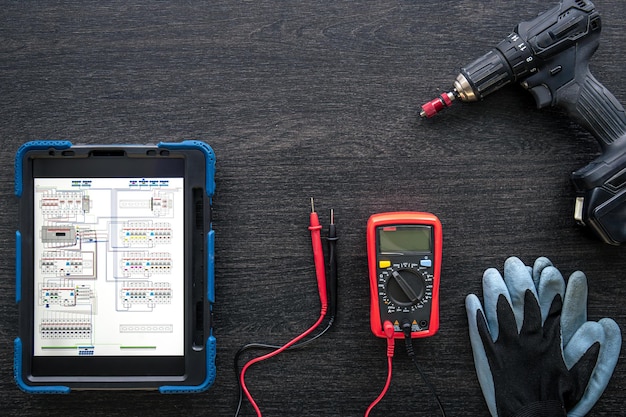
Once the old radiator is removed, tools and equipment needed for radiator installation include a level, measuring tape, drill, and appropriate fittings. Using high-quality tools from brands like Bosch and DeWalt ensures that the installation is done efficiently and safely. My experience in woodworking and carpentry allows me to handle any adjustments needed for a perfect fit.
Ensuring proper plumbing connections to prevent leaks and maintain safety is another critical aspect of the installation process. It is essential to use quality materials and follow best practices when connecting the new radiator to the existing plumbing system. This includes using PTFE tape on threaded connections and ensuring that all fittings are tightened securely.
After installation, the significance of bleeding radiators after installation for efficiency should be addressed. Bleeding removes trapped air from the system, allowing hot water to circulate freely through the radiator. This process can be easily accomplished with a radiator key and should be done regularly to maintain optimal performance.
Throughout the installation process, adhering to health and safety regulations is paramount. This includes wearing appropriate personal protective equipment (PPE), such as gloves and goggles, and ensuring that the workspace is safe and free from hazards. My commitment to health and safety ensures that every job I undertake prioritises the well-being of both myself and my clients.
To ensure long-term performance, how to maintain energy-efficient radiators involves regular checks for leaks, bleeding air as needed, and keeping them clean from dust and debris. A well-maintained radiator will not only perform better but will also extend its lifespan.
The environmental impact of switching to energy-efficient heating solutions is significant. By reducing energy consumption, homeowners can lower their carbon footprint while enjoying a comfortable living environment. This aligns with my values as a handyman who prioritises sustainable practices in all aspects of my work.
However, there are common mistakes to avoid when installing new radiators. These include failing to properly size the radiator for the room, neglecting insulation needs, or overlooking necessary plumbing adjustments. By being aware of these pitfalls, you can ensure a smoother installation process.
The benefits of professional handyman services for radiator installation are numerous. With over 10 years of experience in home improvements and maintenance, I bring expertise and professionalism to every project. My NVQ Level 2 accreditation ensures that I am well-versed in complex work-based duties, allowing me to deliver high-quality results while adhering to health and safety standards.
Customer testimonials highlight successful radiator installations and improved energy efficiency. Many clients have expressed satisfaction with my attention to detail and commitment to providing safe and efficient solutions for their heating needs. By choosing my handyman services, you can rest assured that your radiator installation will be handled with care and expertise.
If you’re considering upgrading your heating system with energy-efficient radiators or need assistance with installation, don’t hesitate to reach out! You can message me on WhatsApp at 07728868401 for more information or to schedule a consultation. Together, we can enhance your home’s heating efficiency while ensuring safety and comfort.