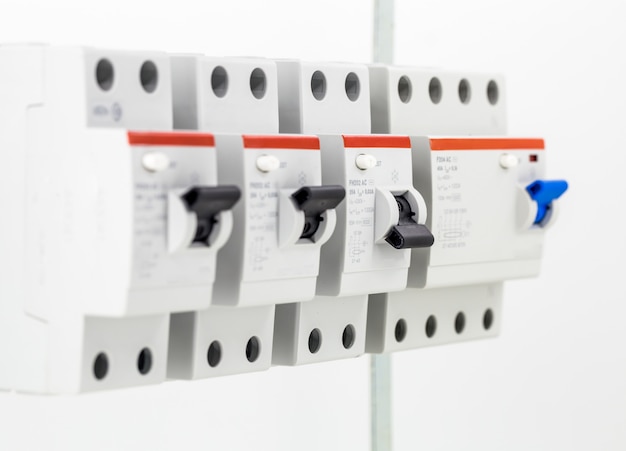
Understanding the basics of fuses and their role in electrical systems is essential for any homeowner. Fuses are safety devices designed to protect electrical circuits from overloads and short circuits. They work by breaking the circuit when the current exceeds a certain level, preventing potential damage to appliances and reducing the risk of electrical fires. In essence, fuses act as a safeguard, ensuring that your home’s electrical system operates safely and efficiently.
Common signs of fuse problems include frequent power outages, flickering lights, or appliances that suddenly stop working. If you notice that a specific area of your home consistently loses power or that certain devices are malfunctioning, it may indicate a fuse issue. Identifying these signs early can help prevent more significant problems down the line. Regular checks of your fuse box can also help you stay ahead of potential issues.
The importance of safety when dealing with electrical issues cannot be overstated. Working with electricity poses inherent risks, and it is crucial to follow proper safety protocols. Always ensure that the power is turned off before attempting any repairs or inspections. Using appropriate personal protective equipment (PPE) such as insulated gloves and safety goggles can further enhance your safety while working on electrical systems.
Replacing a blown fuse is a straightforward process, but it must be done safely. First, turn off the main power supply to avoid any risk of electric shock. Next, locate the blown fuse in your fuse box; it will typically appear discoloured or have a broken wire inside. Carefully remove the old fuse and replace it with a new one that matches the correct rating for your circuit. Once replaced, restore power and check if the issue has been resolved. If the fuse blows again, further investigation is necessary.
Troubleshooting frequent fuse blowing involves identifying potential causes and solutions. Overloaded circuits are a common culprit; when too many devices draw power from a single circuit, it can lead to blown fuses. To prevent this, distribute your electrical load across multiple circuits and avoid using high-wattage appliances simultaneously on the same circuit.
Identifying faulty appliances is another critical step in troubleshooting fuse issues. Appliances that are damaged or malfunctioning can draw excessive current, leading to blown fuses. If you suspect an appliance is causing problems, unplug it and see if the issue persists. If the fuse continues to blow without that appliance connected, further investigation into your electrical system may be required.
The significance of using the correct fuse rating for your electrical system cannot be overlooked. Each circuit is designed to handle a specific amount of current, and using a fuse with a higher rating can compromise safety. Always refer to your electrical system’s specifications when replacing fuses to ensure compatibility and safety.
Checking for short circuits is another essential aspect of maintaining your electrical system. A short circuit occurs when electricity flows along an unintended path, often due to damaged wiring or faulty connections. This can lead to blown fuses and pose serious safety risks. If you suspect a short circuit, it is advisable to consult a professional handyman who can conduct a thorough inspection using specialised tools.
The importance of regular electrical maintenance cannot be overstated when it comes to preventing fuse problems. Scheduling periodic checks of your electrical system can help identify potential issues before they escalate into more significant problems. A professional handyman can provide comprehensive maintenance services, ensuring that your home’s electrical system remains safe and efficient.
Health and safety regulations must always be followed when working with electrical systems. In the UK, there are strict guidelines in place to protect both workers and homeowners from electrical hazards. Ensuring compliance with these regulations not only safeguards your property but also protects the health and safety of everyone in your home.
When to call a professional handyman for persistent fuse issues is a question many homeowners face. If you find yourself frequently replacing fuses or experiencing ongoing electrical problems, it may be time to seek professional assistance. A qualified handyman can diagnose underlying issues and provide effective solutions, ensuring that your electrical system operates safely and efficiently.
Maintaining a safe home electrical system involves several proactive measures. Regularly inspect your wiring for signs of wear or damage, avoid overloading circuits, and ensure that all appliances are in good working condition. Additionally, consider installing surge protectors to safeguard against power surges that could damage your electrical system.
The benefits of professional inspections for long-term health and safety are significant. A qualified handyman can identify potential hazards, recommend necessary repairs, and ensure that your electrical system complies with current safety standards. Investing in regular inspections can save you money in the long run by preventing costly repairs and ensuring the safety of your home.
Handyman services can provide comprehensive solutions for electrical problems while ensuring that safety standards are met. With over 10 years of experience in interior maintenance and repair, I offer a range of services tailored to meet your needs. Equipped with professional tools such as the Graco airless spray system for painting and high-quality equipment from brands like Bosch and DeWalt, I ensure that every job is completed to the highest standard.
If you’re facing persistent fuse issues or need assistance with any electrical repairs, don’t hesitate to reach out. You can contact me directly via WhatsApp at 07728868401 for prompt and professional handyman services tailored to your needs.