
When it comes to dealing with minor electrical issues in your home, prioritising safety is paramount. Even seemingly simple tasks can pose significant risks if not approached with caution. Understanding the potential hazards associated with electrical work is essential for every homeowner. Whether you are resetting a circuit breaker or replacing a blown fuse, taking the necessary precautions can prevent accidents and ensure a safe environment for you and your family.
Many homeowners encounter common minor electrical problems that can be easily addressed. These issues may include tripped circuit breakers, blown fuses, flickering lights, or malfunctioning outlets. Recognising these problems early can save you time and money, and help maintain the safety of your home. However, it is crucial to know when a problem is beyond your expertise and requires professional assistance.
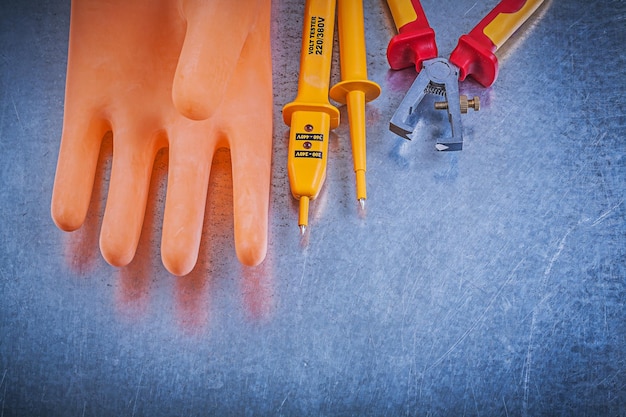
To tackle minor electrical repairs effectively, every homeowner should have a set of essential tools. A basic toolkit should include a multimeter for measuring voltage, a screwdriver set for various types of screws, wire strippers for preparing wires, and insulated pliers for handling live wires safely. Investing in high-quality tools from reputable brands like Bosch and DeWalt ensures reliability and durability during repairs.
One of the most common tasks is resetting a tripped circuit breaker. To do this safely, first, locate your electrical panel. Ensure your hands are dry and wear rubber-soled shoes to minimise the risk of electric shock. Open the panel door and identify the breaker that has tripped; it will be in the ‘off’ position or in a different position than the others. Firmly push the breaker to the ‘off’ position before switching it back to ‘on’. If the breaker trips again, it may indicate a more serious issue that requires professional attention.
Replacing a blown fuse is another straightforward task that can be done safely. First, turn off all appliances connected to the circuit. Remove the blown fuse by unscrewing it from the socket. Before inserting a new fuse, check the amperage rating on the old fuse and ensure that the replacement matches this rating. Screw in the new fuse securely and turn on the power to see if it resolves the issue. Always remember to use fuses that are certified and compliant with UK regulations.
Checking and replacing light bulbs is a routine task that can also pose risks if not done correctly. Always turn off the light switch before attempting to replace a bulb. If the bulb is hot, allow it to cool down before handling it. Use a sturdy step ladder if necessary to reach high fixtures, and consider wearing gloves to protect your hands from broken glass in case of an accident. Dispose of old bulbs properly, especially if they are fluorescent or LED types that may contain hazardous materials.
Recognising signs of faulty wiring is crucial for maintaining electrical safety in your home. Look out for flickering lights, buzzing sounds from outlets, or discolouration around switches and plugs. If you notice any of these signs, it is essential to call a professional handyman or electrician immediately. Attempting to fix faulty wiring without proper knowledge can lead to severe consequences, including electrical fires.
The importance of using certified materials and equipment for electrical repairs cannot be overstated. Using substandard or non-compliant materials can compromise safety and lead to further issues down the line. Always opt for products that meet UK standards and regulations to ensure the safety of your home.
When unplugging appliances, always grasp the plug itself rather than pulling on the cord. This practice helps prevent damage to the cord and reduces the risk of electric shock. Additionally, ensure that your hands are dry when handling plugs and sockets to avoid any electrical hazards.
GFCI outlets, or Ground Fault Circuit Interrupters, play a vital role in home safety by preventing electrical shocks in wet areas such as kitchens and bathrooms. These outlets automatically cut off power when they detect an imbalance in electrical current, providing an extra layer of protection. Homeowners should ensure that GFCI outlets are installed in appropriate locations and test them regularly to confirm they are functioning correctly.
Maintaining your electrical systems through best practices can help prevent minor issues from escalating into major problems. Regularly inspect cords for wear and tear, avoid overloading circuits with too many devices, and keep electrical panels accessible for easy monitoring. By being proactive about maintenance, you can significantly reduce the likelihood of encountering electrical issues.
The significance of regular inspections and maintenance cannot be overlooked when it comes to electrical safety. Scheduling periodic checks with a qualified handyman can help identify potential problems before they become serious hazards. This proactive approach not only ensures safety but also extends the lifespan of your electrical systems.
In case of emergencies, knowing when to call a handyman versus an electrician is crucial. For minor issues such as resetting breakers or replacing fuses, a handyman like myself can assist you efficiently. However, for more complex problems involving wiring or circuit issues, it is best to contact a licensed electrician who has specialised training and expertise.
Creating a safe working environment when attempting DIY electrical repairs is essential for minimising risks. Ensure that your workspace is well-lit and free from clutter. Wear appropriate personal protective equipment (PPE), such as gloves and safety goggles, to protect yourself from potential hazards. If you feel uncertain about any task, do not hesitate to seek professional help.
Finally, promoting awareness of health and safety regulations related to electrical work in the UK is vital for every homeowner. Familiarising yourself with these regulations not only helps you stay compliant but also ensures that you are taking the necessary precautions to protect yourself and your family from electrical hazards.
If you encounter any minor electrical issues or require assistance with repairs around your home, do not hesitate to reach out! As an experienced handyman based in Telford – Shropshire, I am here to help you with all your needs. You can contact me directly via WhatsApp at 07728868401 for prompt service and expert advice.