When it comes to carpentry projects, health and safety should always be the top priority. As a professional with over 10 years of experience in woodworking and carpentry, I understand the importance of maintaining a safe working environment. This article will provide essential tips to ensure that both you and your workspace remain safe during carpentry tasks.
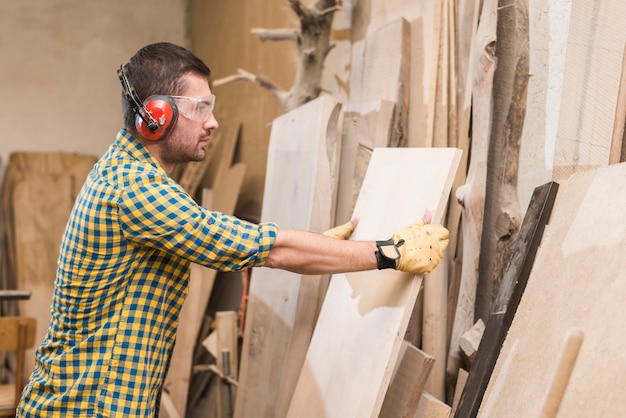
The first step in ensuring safety is the use of Personal Protective Equipment (PPE). This includes items such as safety goggles, gloves, ear protection, and dust masks. When I work on projects, I always wear high-quality PPE to protect myself from potential hazards. For instance, when using my Festool dust extraction sander, I ensure that I have a dust mask on to prevent inhalation of harmful particles. Investing in good PPE is not just a recommendation; it is a necessity for anyone involved in carpentry.
Another critical aspect of health and safety is the safe handling and storage of tools and materials. Tools should be stored in designated areas when not in use, and materials should be stacked securely to prevent them from falling. I make it a point to keep my workspace tidy, ensuring that tools like my DeWalt drill and Bosch saw are put away after each use. This not only prevents accidents but also prolongs the life of the tools.
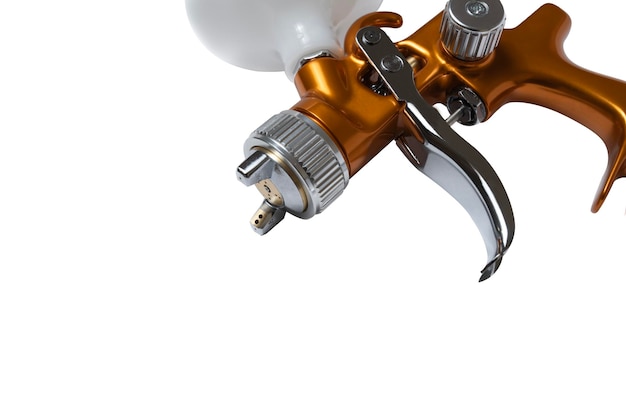
Proper use of power tools is essential to prevent accidents. Each tool comes with its own set of instructions, and it is crucial to follow these guidelines closely. For example, when using my Graco airless spray gun for painting, I always ensure that I am familiar with its operation and safety features. This includes checking for any loose parts or potential malfunctions before starting work. By adhering to the manufacturer’s instructions, I can significantly reduce the risk of injury.
A clean and organised workspace is vital for maintaining safety. Clutter can lead to accidents, so I make it a habit to clean up as I go along. This includes sweeping up sawdust and ensuring that all tools are returned to their proper places. A well-organised area allows for better focus on the task at hand and reduces the likelihood of tripping or falling.
Understanding and following safety regulations and guidelines is another key component of health and safety in carpentry. In the UK, there are specific regulations that govern construction and woodworking practices. I stay updated on these regulations to ensure compliance in all my projects. This not only protects me but also my clients, as it ensures that all work is carried out safely and legally.
When it comes to lifting and moving heavy materials, employing proper techniques is essential. I always bend at the knees and keep my back straight when lifting heavy items like timber or furniture. Additionally, I use equipment such as dollies or hoists when necessary to avoid straining my back. This practice not only protects my health but also ensures that I can continue working efficiently.
Regular tool maintenance and inspections are crucial for preventing accidents. I make it a point to inspect my tools, such as my Hilti power tools, regularly for any signs of wear or damage. Keeping tools in good condition not only enhances their performance but also reduces the risk of malfunction during use.
Working at heights presents its own set of challenges, making ladder safety paramount. When I need to reach elevated areas, I always use a sturdy ladder and ensure it is placed on stable ground. Additionally, I never overreach while on a ladder; instead, I reposition it as needed to maintain balance and safety.
Fire safety measures are also critical in woodworking projects. I always keep a fire extinguisher nearby when working with flammable materials or finishes. Furthermore, I ensure that my workspace is well-ventilated to prevent the accumulation of fumes that could lead to fire hazards.
Recognising and mitigating hazards in the work environment is an ongoing process. Before starting any project, I conduct a thorough assessment of the workspace to identify potential risks. This includes checking for loose wires, uneven surfaces, or any other hazards that could pose a threat during the project.
Being prepared for emergencies is another vital aspect of health and safety. I keep a well-stocked first aid kit on hand and ensure that I am familiar with basic first aid procedures for carpentry-related injuries. This preparedness can make a significant difference in case of an accident.
When working with chemicals and finishes, proper ventilation is essential. Many products emit harmful fumes that can affect health if inhaled over time. I always ensure that my workspace is well-ventilated by opening windows or using fans when applying finishes or adhesives.
Training and certification for safe woodworking practices cannot be overlooked. As someone accredited with NVQ Level 2, I have undergone extensive training in health and safety protocols specific to carpentry. This training has equipped me with the knowledge necessary to carry out my work safely and effectively.
Communication is key when it comes to safety protocols. Whether working alone or with a team, I make sure that everyone involved understands the safety measures in place. This includes discussing potential hazards and ensuring that all team members are equipped with the necessary PPE before starting any project.
Finally, developing a safety culture within the woodworking industry is essential for long-term success. By prioritising health and safety in every project, we can create an environment where everyone feels secure while working. As a professional handyman offering woodworking services in Telford – Shropshire, I strive to lead by example and promote safe practices among my clients and peers.
If you are looking for reliable woodworking services that prioritise health and safety, feel free to reach out! You can message me directly on WhatsApp at 07728868401 for more information about my services or to discuss your next project.