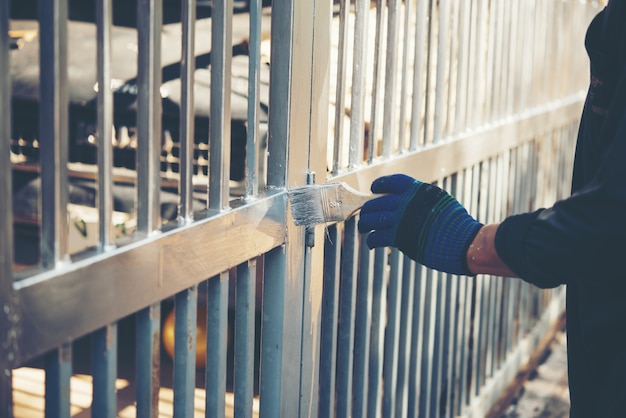
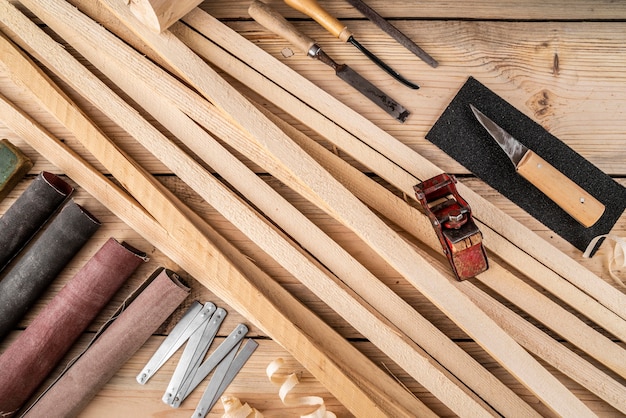
Choosing the right wood for DIY projects is a crucial step that can significantly influence the outcome of your work. As a professional with over 10 years of experience in woodworking and carpentry, I have encountered various types of wood, each with its unique characteristics. Understanding the differences between softwood and hardwood is essential for selecting the appropriate material for your project. Softwoods, such as pine and cedar, are generally easier to work with and more affordable, making them ideal for beginners or projects that require quick assembly. On the other hand, hardwoods like oak and walnut offer greater durability and aesthetic appeal, making them suitable for furniture and high-end applications.
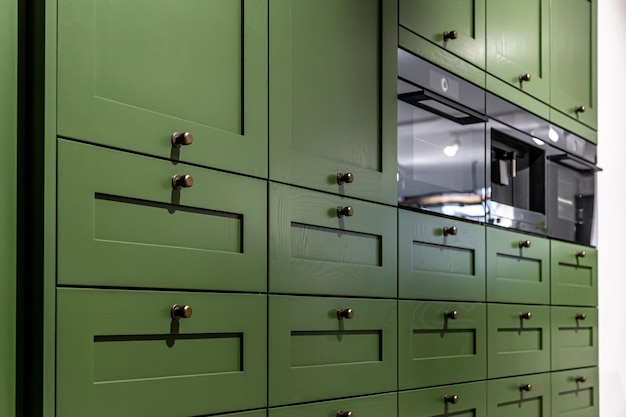
The importance of selecting the right wood for specific projects cannot be overstated. Each type of wood has its own set of properties that can affect the final product’s strength, appearance, and longevity. For instance, if you are building outdoor furniture, you might want to choose a wood that is naturally resistant to moisture and pests, such as teak or redwood. Conversely, if you are working on indoor cabinetry, a hardwood like maple or cherry would provide a beautiful finish and long-lasting durability.
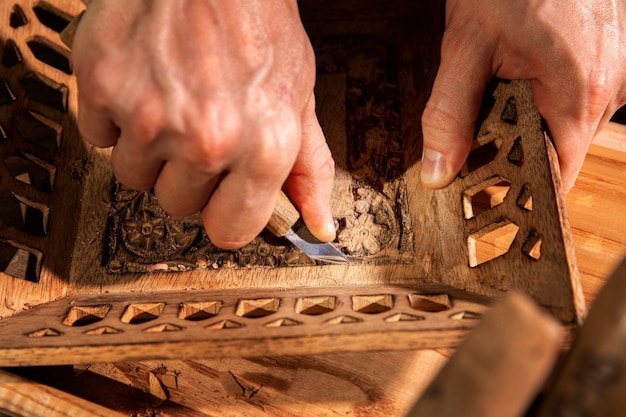
Another factor to consider is how wood grain affects aesthetics and durability. The grain pattern can vary significantly between different species of wood, influencing not only the visual appeal but also the structural integrity. For example, a straight grain is often stronger and more stable than a wavy or irregular grain. When using my professional equipment, such as the Festool dust extraction sander, I ensure that the wood surface is smooth and ready for finishing, highlighting its natural beauty.
The role of moisture content in wood selection is also critical. Wood is a natural material that can absorb moisture from the environment, leading to warping or cracking if not properly managed. When I source wood for my projects, I always check the moisture content to ensure it falls within an acceptable range for the intended use. This practice not only enhances the durability of the finished product but also contributes to overall safety during installation.
Sustainable wood sourcing has become increasingly important in recent years. By choosing sustainable wood, you contribute to environmental conservation efforts and support responsible forestry practices. As a professional handyman in Telford – Shropshire, I prioritise using materials that are certified by organisations such as the Forest Stewardship Council (FSC). This commitment not only benefits the environment but also assures my clients that they are making eco-friendly choices.
When working with different types of wood, health and safety considerations should always be at the forefront. Proper protective equipment, such as gloves and masks, is essential when handling wood and using power tools. I adhere strictly to health and safety regulations to ensure a safe working environment for myself and my clients. My training in NVQ Level 2 equips me with the knowledge to implement best practices in health and safety during all woodworking projects.
Understanding common wood finishes and their compatibility with various wood types is vital for achieving the desired look and protection for your project. Some finishes work better with certain woods than others; for example, oil-based finishes tend to enhance the natural grain of hardwoods while providing excellent protection against moisture. I often use high-quality finishes that are compatible with the specific wood species I am working with, ensuring a professional result.
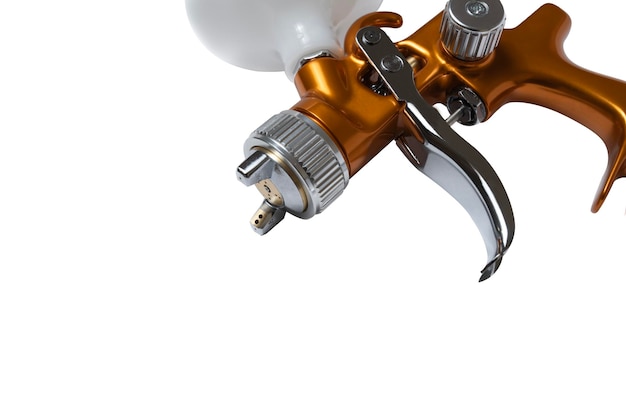
To successfully complete woodworking projects, having the right tools and equipment is essential. My toolkit includes top-of-the-line brands such as Bosch and DeWalt, which provide reliability and precision. For instance, my Graco airless spray system allows me to apply paint or stain evenly across large surfaces, saving time while achieving a flawless finish. Additionally, my Festool dust extraction system ensures a clean workspace by minimising sawdust and debris during cutting and sanding.
Maintaining wood quality during storage and handling is another critical aspect of woodworking. Wood should be stored in a dry environment to prevent moisture absorption and potential damage. I always advise my clients on proper storage techniques to ensure their materials remain in optimal condition until they are ready for use.
The significance of wood treatment to prevent pests and decay cannot be overlooked. Applying appropriate treatments can extend the life of your wooden projects significantly. For outdoor applications, I recommend using pressure-treated wood or applying sealants that protect against moisture and insect damage. This proactive approach not only enhances durability but also reduces long-term maintenance costs.
Understanding wood joints and their suitability for different projects is essential for creating strong and lasting connections between pieces. Whether using dovetail joints for drawers or butt joints for simple frames, each joint type has its advantages depending on the application. My experience allows me to select the most appropriate joints for each project, ensuring structural integrity.
The benefits of using engineered wood products, such as plywood or MDF, should also be considered when planning your project. These materials offer enhanced stability and uniformity compared to solid wood, making them ideal for specific applications like cabinetry or shelving. I often incorporate engineered wood into my designs when it aligns with my clients’ needs.
When choosing the right wood for outdoor vs indoor projects, it’s essential to consider factors such as exposure to elements and intended use. Outdoor projects require woods that can withstand weather conditions, while indoor projects can utilise a broader range of materials based on aesthetic preferences. My expertise allows me to guide clients in selecting the best options tailored to their specific needs.
The impact of local climate on wood performance is another consideration that should not be ignored. In areas with high humidity or extreme temperatures, certain woods may perform better than others. Understanding these local conditions helps me make informed decisions when selecting materials for my projects.
Finally, adhering to best practices for cutting and shaping wood safely and effectively is crucial in any woodworking endeavour. Using sharp blades and maintaining proper technique reduces the risk of accidents while ensuring clean cuts. My training in health and safety practices ensures that I operate all tools safely while delivering high-quality results.
If you’re considering starting a woodworking project or need assistance with any aspect of carpentry, feel free to reach out! You can message me directly on WhatsApp at 07728868401 for expert advice or to schedule a consultation.