Woodworking projects can be incredibly rewarding, allowing you to create beautiful and functional pieces for your home. However, it is essential to prioritise health and safety throughout the process. As a professional with over 10 years of experience in woodworking and carpentry, I have seen firsthand the importance of adhering to safety protocols. Here are some key safety tips to consider when embarking on your next woodworking project.
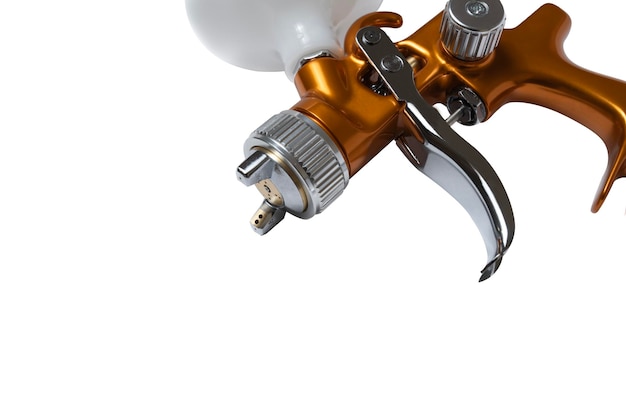
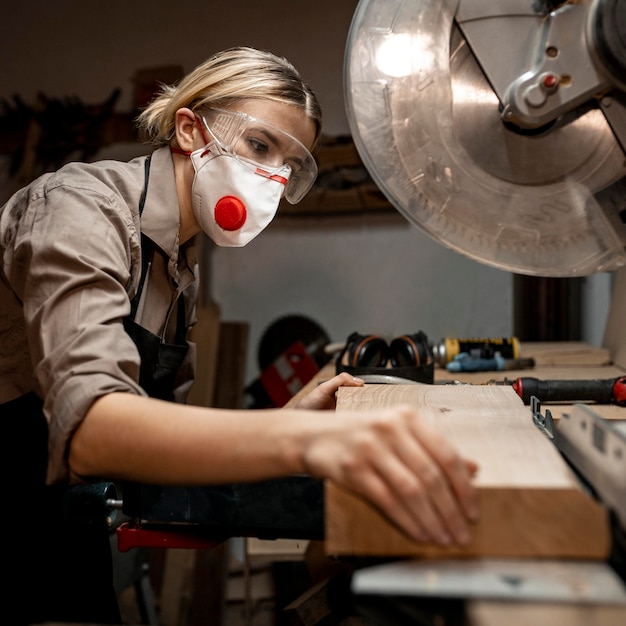
The first step in ensuring safety is the use of Personal Protective Equipment (PPE). This includes safety goggles, ear protection, dust masks, and gloves. When using power tools like my Graco airless spray system or Festool dust extraction sander, it is crucial to protect your eyes from flying debris and your ears from loud noises. Wearing a dust mask helps prevent inhalation of harmful wood dust, which can lead to respiratory issues over time. Investing in high-quality PPE is a small price to pay for your long-term health.
Another critical aspect of safety is the safe handling and storage of tools and materials. Always store tools in a designated area, ensuring they are out of reach of children and pets. When working with heavy materials, such as plywood or large timber, use proper lifting techniques to avoid injury. Keep your workspace tidy by returning tools to their storage after use, which not only prevents accidents but also saves time during your project.
Understanding the workspace layout is vital for optimal safety. Ensure that your work area is well-lit and free from clutter. Arrange your tools and materials in a way that allows for easy access while minimising the risk of tripping or falling. A well-organised workspace not only enhances productivity but also reduces the likelihood of accidents.
When it comes to using power tools, understanding their proper use and safety features is essential. For instance, my Bosch and DeWalt tools come equipped with various safety features designed to protect users. Always read the manufacturer’s instructions before operating any tool, and ensure you are familiar with its functions. Regularly inspect your tools for any signs of wear or damage, as faulty equipment can lead to serious injuries.
Maintaining a clean and organised work area cannot be overstated. Woodworking generates a significant amount of dust and debris, which can create hazards if left unchecked. Use my Festool dust extraction system to keep your workspace clean while you work. Regularly sweep or vacuum the area to prevent slips and falls, and dispose of any waste materials promptly.
When lifting and moving heavy materials, it is crucial to employ safe techniques. Always bend at the knees rather than the waist, keeping your back straight to avoid strain. If a piece is too heavy or awkward to lift alone, do not hesitate to ask for help or use equipment like dollies or hoists. Safety should always come first, even if it means taking extra time to complete a task.
Being aware of potential hazards in woodworking is another key aspect of safety. Common risks include splinters, sharp edges, and exposure to wood dust. Always inspect your materials for any defects before starting work, and use appropriate tools to shape or cut wood safely. Additionally, consider wearing long sleeves and gloves to protect your skin from splinters.
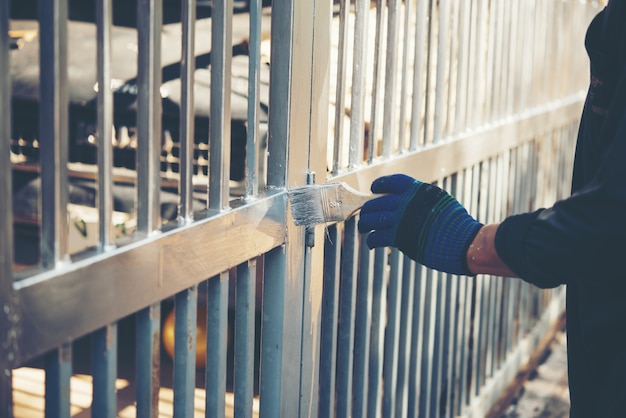
Ventilation is also crucial when working with finishes and adhesives. Many wood finishes contain harmful chemicals that can be released into the air during application. Ensure your workspace is well-ventilated by opening windows or using fans to circulate air. If possible, consider working outdoors when applying finishes to minimise exposure.
Safe practices for cutting and shaping wood are essential for preventing accidents. Always use sharp blades on your saws and routers, as dull blades require more force and can lead to slips. When using my Hilti saws or JCB tools, ensure you have a stable surface to work on and always keep your hands clear of cutting paths. Employ push sticks or guides when working with smaller pieces to maintain control.
Regular maintenance and inspection of tools are vital for preventing accidents. Before each use, check for any signs of wear or damage on your tools. Replace worn-out blades or bits promptly, as they can compromise safety and efficiency. Keeping your tools in good condition not only ensures safer operation but also prolongs their lifespan.
In the event of an accident, knowing basic first aid measures for common woodworking injuries can be invaluable. Familiarise yourself with how to treat cuts, splinters, or minor burns. Having a well-stocked first aid kit readily available in your workshop is essential for addressing injuries quickly and effectively.
Always follow manufacturer instructions for tools and materials. Each tool has specific guidelines for safe operation, which should never be overlooked. By adhering to these instructions, you can significantly reduce the risk of accidents and ensure that you are using the equipment correctly.
Investing in training and skill development is another way to promote safe woodworking practices. Consider enrolling in workshops or courses that focus on woodworking techniques and safety protocols. The more knowledgeable you are about your craft, the better equipped you will be to handle potential hazards.
Emergency preparedness in the workshop is crucial for ensuring a swift response in case of an accident. Have an emergency plan in place that includes contact information for local emergency services and a designated first aid responder among your family members or team members. Regularly review this plan to ensure everyone knows what to do in case of an emergency.
Finally, fostering a culture of safety among family members involved in DIY projects is essential. Encourage open communication about safety practices and ensure everyone understands the importance of following protocols. By promoting a safe working environment, you can help prevent accidents and create a positive experience for everyone involved.
If you’re considering starting a woodworking project but want professional assistance to ensure safety and quality, feel free to reach out! You can message me directly on WhatsApp at 07728868401 for expert advice or services related to woodworking and carpentry.