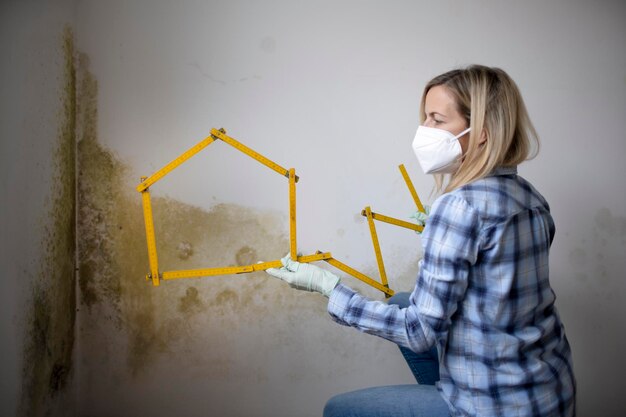
Dealing with minor mould issues effectively is crucial for maintaining a healthy living environment. Mould can develop in various areas of your home, often going unnoticed until it becomes a significant problem. Identifying the early signs of mould growth is essential for effective management. Look for discolouration on walls, ceilings, or around windows, as well as a musty odour that may indicate hidden mould. Early detection can save you time and money in the long run.
Understanding the health risks associated with mould exposure is vital. Mould can cause a range of health issues, particularly for individuals with respiratory conditions, allergies, or weakened immune systems. Symptoms may include coughing, sneezing, skin irritation, and even more severe reactions in sensitive individuals. Therefore, addressing mould issues promptly is not just about aesthetics; it’s about protecting your health.
The importance of proper ventilation in preventing mould cannot be overstated. Ensuring that your home is well-ventilated allows moisture to escape, reducing the likelihood of mould growth. Simple measures such as opening windows, using exhaust fans in kitchens and bathrooms, and ensuring that air can circulate freely can make a significant difference. As a professional in property maintenance, I often recommend these practices to my clients to help them maintain a healthy indoor environment.
When it comes to effective cleaning solutions for minor mould issues, there are several options available. A mixture of water and vinegar can be an effective natural solution for cleaning small areas of mould. For more stubborn cases, commercial mould removers may be necessary. It’s important to follow the manufacturer’s instructions carefully and ensure that the area is well-ventilated during the cleaning process.
The role of humidity control in mould prevention is another critical factor. Keeping indoor humidity levels below 60% can significantly reduce the chances of mould growth. Using dehumidifiers in damp areas such as basements or bathrooms can help maintain optimal humidity levels. I often advise my clients on how to monitor and control humidity levels effectively as part of my property maintenance services.
Knowing how to safely remove mould from various surfaces is essential for effective remediation. Different surfaces require different approaches; for instance, porous materials like drywall may need to be replaced if they are heavily infested with mould, while non-porous surfaces can often be cleaned with appropriate solutions. My experience in handyman services allows me to assess each situation and recommend the best course of action.
The significance of using protective gear during mould remediation cannot be overlooked. When dealing with mould, it’s crucial to wear gloves, masks, and goggles to protect yourself from exposure. I always ensure that I have the right protective equipment on hand when undertaking any mould-related work, prioritising health and safety for both myself and my clients.
To maintain a dry environment in your home, consider implementing some simple tips for maintaining a dry environment. Regularly check for leaks in plumbing and roofs, ensure that gutters are clean and functioning properly, and avoid drying clothes indoors without adequate ventilation. These small steps can go a long way in preventing mould growth.
The benefits of professional property maintenance in mould management are numerous. With over 10 years of experience in property maintenance and a strong focus on health and safety, I provide comprehensive services that include regular inspections and preventative measures to keep mould at bay. My expertise allows me to identify potential issues before they escalate into major problems.
Regular inspections to catch mould issues early are an integral part of my property maintenance services. By conducting periodic checks, I can identify any signs of moisture or mould growth before they become significant concerns. This proactive approach not only protects your health but also preserves the integrity of your property.
It’s also important to understand the difference between mould and mildew. While both are types of fungi that thrive in damp environments, mildew is typically white or grey and easier to clean than mould, which can appear in various colours and may penetrate deeper into surfaces. Knowing this distinction can help homeowners take appropriate action when they notice these growths.
The importance of using certified materials for mould treatment should not be underestimated. Using products that are approved by UK authorities ensures that you are employing safe and effective methods for dealing with mould. I always use certified materials in my work to guarantee the best results while prioritising health and safety.
Educating homeowners on mould prevention strategies is another aspect of my role as a property maintenance professional. I take the time to explain the importance of ventilation, humidity control, and regular inspections to my clients, empowering them to take charge of their home’s health.
The impact of mould on property value and aesthetics is significant. A home with visible mould issues can deter potential buyers and decrease its market value. By addressing mould problems promptly and effectively, homeowners can protect their investment and maintain the aesthetic appeal of their properties.
Finally, creating a long-term maintenance plan to prevent future mould growth is essential for any homeowner. This plan should include regular inspections, humidity control measures, and prompt repairs of any leaks or water damage. As part of my property maintenance services, I work with clients to develop tailored plans that suit their specific needs and ensure a healthy living environment.
If you’re facing minor mould issues or want to prevent them from occurring in the first place, don’t hesitate to reach out for professional assistance. You can contact me via WhatsApp at 07728868401 for expert advice and services tailored to your needs.