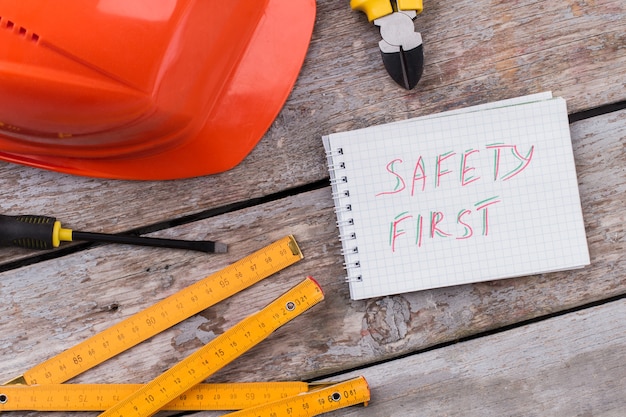
When embarking on any DIY project, particularly those involving home entertainment system installations, the importance of risk assessment cannot be overstated. Before you even pick up a tool, it is crucial to evaluate the potential hazards associated with the tasks at hand. This includes identifying any electrical risks, the stability of surfaces where equipment will be mounted, and the overall environment in which you will be working. A thorough risk assessment not only helps in planning the project effectively but also ensures that you are prepared for any unforeseen circumstances that may arise during the installation process.
Equipping yourself with essential personal protective equipment (PPE) is a fundamental step in ensuring safety during home entertainment installations. At a minimum, this should include safety goggles to protect your eyes from dust and debris, gloves to safeguard your hands from sharp edges or electrical components, and a dust mask if you are working in an area with poor air quality. Additionally, using ear protection when operating loud tools can prevent long-term hearing damage. As a professional handyman with over 10 years of experience, I always prioritise the use of high-quality PPE to maintain a safe working environment.
When it comes to safe handling and installation of electrical components, understanding the basics of electrical safety is paramount. Always ensure that power sources are turned off before beginning any work on electrical systems. Use tools that are specifically designed for electrical work, such as insulated screwdrivers and wire strippers. My experience in handling various electrical installations has taught me the importance of double-checking connections and ensuring that all components are properly secured to prevent any electrical failures.
Working with ladders and scaffolding is often necessary for installations that require height adjustments. It is essential to follow guidelines for working with ladders and scaffolding to prevent falls and injuries. Always ensure that ladders are placed on stable ground and that they are fully extended before climbing. When using scaffolding, make sure it is assembled correctly and inspected for stability. I often utilise professional-grade ladders and scaffolding to ensure maximum safety during my projects.
Proper ventilation is another critical aspect when working with tools and materials. Many adhesives, paints, and solvents release harmful fumes that can affect your health if inhaled over prolonged periods. Therefore, the importance of proper ventilation cannot be overlooked. Ensure that your workspace is well-ventilated by opening windows or using fans to circulate air. In my work, I always make it a point to ventilate the area adequately, especially when using products that emit strong odours.
Understanding the weight limits and structural integrity of walls is vital when mounting TVs and speakers. Before installation, it is essential to assess whether the wall can support the weight of the equipment being installed. Using appropriate anchors and brackets designed for the specific weight load can prevent accidents and damage to your property. My expertise in woodworking and carpentry allows me to accurately determine the best methods for securing heavy items safely.
Another important consideration is safe cable management practices. Poorly managed cables can create tripping hazards that pose significant risks in your home. To mitigate this, I recommend using cable ties or clips to secure cables along walls or behind furniture. This not only keeps your space tidy but also reduces the likelihood of accidents occurring due to loose cables. My professional approach includes ensuring that all cables are neatly organised during installations.
Using certified and tested equipment for home entertainment systems is crucial for ensuring safety and functionality. Always opt for products that meet UK safety standards and have been tested for reliability. As a handyman who values quality, I only work with reputable brands and certified equipment to guarantee that my clients receive the best possible service.
In case of accidents or electrical failures, having clear emergency procedures in place is essential. Familiarise yourself with the location of circuit breakers and emergency shut-off switches in your home. Additionally, having a first aid kit readily available can be invaluable in case of minor injuries. I always ensure that my clients are aware of these procedures before starting any installation work.
When lifting and moving heavy equipment, it is important to follow best practices for lifting safely. Always bend at your knees rather than your back, keep the load close to your body, and ask for help if an item is too heavy to lift alone. My experience has taught me that taking these precautions can significantly reduce the risk of injury during installations.
Maintaining a tidy work area is another key aspect of minimising risks. Clutter can lead to accidents, so it is essential to keep tools and materials organised throughout the project. I make it a habit to clean up as I go along, ensuring that my workspace remains safe for both myself and my clients.
For DIY enthusiasts, understanding training and certification requirements is crucial for ensuring safety during installations. While many tasks can be completed without formal training, certain aspects—especially those involving electrical work—may require specific qualifications. As someone who holds an NVQ Level 2 accreditation, I encourage others to seek out training opportunities to enhance their skills and knowledge.
Identifying and mitigating potential hazards in the home environment is another important aspect of ensuring safety during DIY projects. This includes checking for loose floorboards, ensuring adequate lighting in work areas, and being aware of any pets or children who may be present during installations. My thorough approach involves assessing the entire environment before commencing work.
The role of professional help cannot be underestimated when it comes to complex installations. While many DIY projects can be tackled independently, enlisting the help of a qualified handyman can provide peace of mind and ensure that all safety protocols are followed correctly. With over a decade of experience in home installations, I am always available to assist clients with their projects.
Finally, it is essential to consider long-term health considerations related to DIY work and ergonomics. Prolonged periods of bending or lifting can lead to chronic pain or injury if proper techniques are not employed. Taking regular breaks, using ergonomic tools, and maintaining good posture while working can help mitigate these risks. My commitment to health and safety extends beyond individual projects; I strive to promote best practices that benefit my clients in the long run.
If you are considering a home entertainment system installation or need assistance with any DIY projects, feel free to reach out via WhatsApp at 07728868401. Your safety is my priority, and I am here to help you achieve your goals while ensuring a safe working environment.